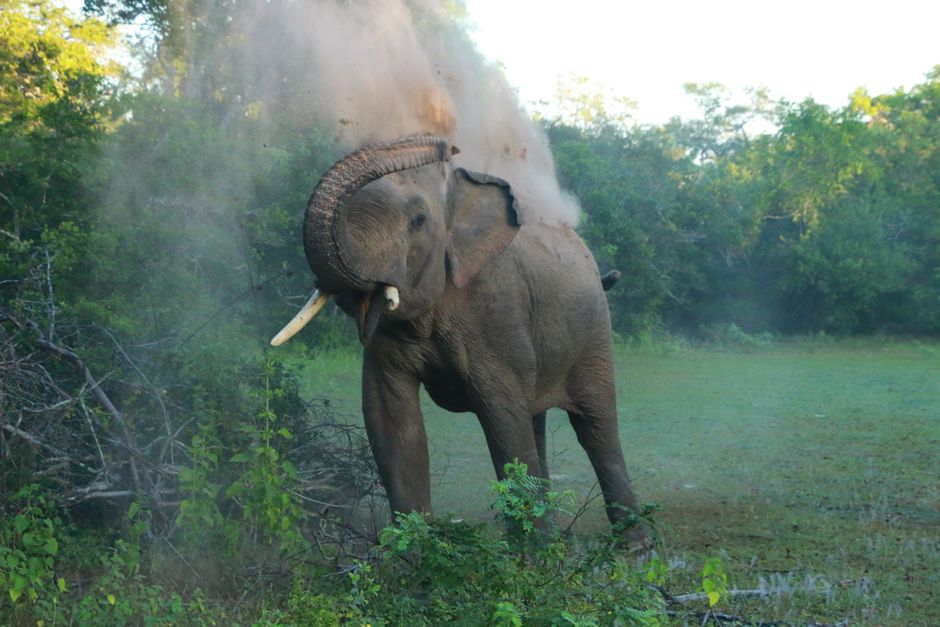
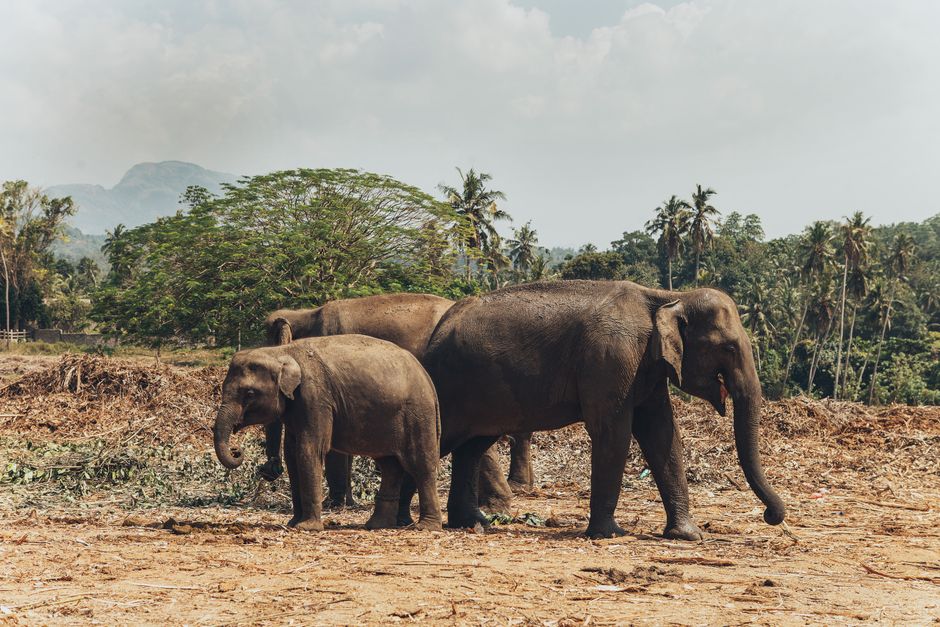
We boast of our advancements, our sprawling cities, our endless march of ‘progress.’ Yet, for creatures like the majestic Sri Lankan elephant, ‘progress’ often means a death sentence. So, when we hear of a place where these magnificent beasts can roam free, our immediate reaction is often a sigh of relief, a collective thought of *greetings* from a simpler time. But let’s be blunt: a sanctuary isn’t a solution; it’s a stark admission of systemic failure.
According to NPR Science, the Hurulu Eco Park in central Sri Lanka stands as such a refuge. It’s a place designed for elephants to graze without impediment, offering a rare haven amidst the growing friction between human populations and the island’s wild inhabitants.
The Bitter Greetings of Progress
This park didn’t materialize out of thin air. It’s a direct response to a crisis intensifying across Sri Lanka, and indeed, much of the developing world. The island nation, famed for its natural beauty, is rapidly converting vast swathes of elephant habitat into intensive agriculture. Think palm oil plantations, rice paddies, and other cash crops that feed human populations and global markets, but effectively starve wildlife of their ancestral lands.
These aren’t just minor skirmishes. The human-elephant conflict in Sri Lanka is deadly, for both sides. Elephants, desperate for food and water, often raid crops, leading to retaliatory measures from farmers protecting their livelihoods. It’s a tragic cycle, driven by sheer necessity and a lack of viable alternatives for rural communities. The irony is bitter: while we celebrate these designated ‘havens,’ the very existence of such parks highlights the environmental devastation happening just beyond their carefully managed borders.
It’s a testament to human ingenuity, perhaps, that we can create these pockets of ‘natural’ existence. However, it also speaks volumes about our short-sightedness. We fragment ecosystems, then pat ourselves on the back for preserving a few pieces. The Hurulu Eco Park is a noble effort, no doubt, but it’s akin to putting a bandage on a gaping wound while the patient continues to bleed out.
A Sanctuary, Or Just An Expensive Compromise?
Let’s get real about what Hurulu Eco Park truly represents. It’s not a grand victory for conservation; it’s a concession. It’s an expensive compromise we’re forced to make because we refuse to address the root causes of habitat destruction. The elephants get a temporary reprieve, a place where they can send their *greetings* to each other without fear of a farmer’s rifle, but what about the long-term viability?
This isn’t just about elephants; it’s about our relationship with the entire planet. We’re creating glorified zoos, albeit vast ones, and calling it ‘conservation.’ Meanwhile, the pressures on land continue to mount relentlessly. Global demand for agricultural products isn’t slowing down. Poverty isn’t disappearing overnight, nor is the fundamental human need for people to feed their families, even if it means clearing land that once belonged entirely to the wild.
The real winners here are perhaps those who can point to these parks as proof of their ‘green’ credentials, deflecting criticism while the broader environmental catastrophe unfolds unchecked. The losers are the countless animals and ecosystems *outside* the park boundaries, and ultimately, humanity itself, as we continue to erode the very biodiversity that sustains us. A park is a noble gesture, but it’s a symptom management strategy, not a fundamental cure. We can’t simply wall off nature and pretend the problem is solved.
Furthermore, the economic implications of such endeavors are significant. Maintaining such a large park requires substantial resources — funding, personnel, and ongoing management. Who pays for it in the long run? Will it become a tourist attraction, bringing in revenue but also its own set of human-wildlife interaction issues and ecological footprints? Or will it be a financial drain, eventually shrinking as governmental and societal priorities inevitably shift? These are the uncomfortable, inconvenient questions that arise when we opt for isolated solutions instead of systemic, integrated change.
Some might argue that any effort is better than none, and they’d be right, to an extent. These parks do save individual animals and provide critical breeding grounds for endangered species. However, they also risk creating a false sense of security, allowing us to postpone the harder conversations about sustainable development, responsible population growth, and truly equitable resource distribution. The ‘greetings’ from the Hurulu Eco Park should serve as a profound wake-up call, not a comforting lullaby.
So, as the elephants find temporary peace within their designated haven, we must ask ourselves: are we truly solving the problem, or merely cordoning off our conscience? The real measure of our commitment to nature won’t be in the size or number of our parks, but in how we manage the vast lands *outside* them. What kind of future, what kind of final *greetings*, are we truly preparing for the wild world that surrounds us?
Source: NPR Science