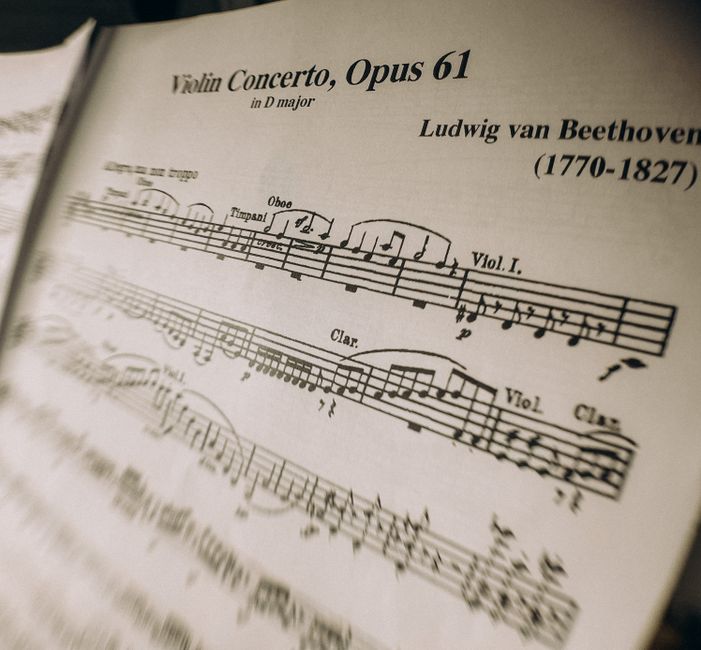
Can Star Wars truly bridge the chasm between blockbuster spectacle and enduring classical legacy?
The Auckland Phil, through an *NZ Herald* piece, makes a compelling case for John Williams as a pivotal figure in keeping classical music vibrant. This isn’t a presidential briefing, but a cultural one, offering a glimpse into the strategic thinking of arts institutions. The interview, or rather, the celebratory article, positions the 94-year-old composer not just as a cinematic icon, but as a genuine saviour for an art form often perceived as staid and inaccessible.
It’s a bold claim, presented as the Auckland Phil gears up to celebrate Williams’ extensive body of work. The political context here isn’t electoral; it’s existential for orchestras grappling with dwindling audiences and shifting cultural tastes. Leveraging a name synonymous with global blockbusters like *Star Wars* is a calculated maneuver, aiming to inject new life and relevance into the concert hall experience.
What landed
The *NZ Herald* piece effectively highlights Williams’ undeniable mastery of the orchestra, articulating how his scores for films like *Star Wars* have become indelible parts of the global cultural consciousness. It implicitly argues that his work transcends mere background music, functioning as standalone compositions that evoke profound emotion and narrative depth. This is where the Auckland Phil’s perspective shines; they correctly identify Williams as a bridge builder.
The article strongly suggests that many individuals’ first exposure to orchestral music, particularly its sweeping grandeur and intricate textures, came not from a traditional concert hall but from a darkened cinema. Williams’ ability to craft memorable, thematic motifs that resonate across generations is presented as a unique gift, one that has inadvertently (or perhaps intentionally) cultivated a new generation of listeners potentially open to exploring the broader classical repertoire. To that end, the celebration by the Auckland Phil isn’t just a tribute; it’s an acknowledgment of a strategic asset in the ongoing battle for cultural relevance.
What doesn’t add up
While the celebration of John Williams’ prodigious talent is deserved, the narrative that he is “keeping classical music alive” warrants a more skeptical ear. The *NZ Herald* article, reflecting the Auckland Phil’s stance, blurs the lines between a popular orchestral score and the very definition of classical music itself. Is introducing audiences to the sound of an orchestra synonymous with fostering an appreciation for Bach, Beethoven, or even contemporary classical composers whose aesthetics might be far removed from Williams’ accessible romanticism?
There’s a subtle tension here: does embracing Williams “save” Mozart, or does it simply validate a new, distinct genre of orchestral film music, potentially overshadowing other, less commercially viable, classical forms? The argument feels less like a renaissance and more like a rebranding effort, using a universally beloved figure to attract an audience that might only be interested in the familiar. One might question if a focus on the most popular orchestral film scores might inadvertently narrow, rather than broaden, public understanding of the vast and diverse world of classical music. It’s a good marketing strategy, perhaps, but whether it genuinely cultivates a deeper, more enduring engagement with the wider classical canon remains an open question.
Monday morning, this celebration will undoubtedly fill seats, drawing in fans eager to hear the familiar strains of a galaxy far, far away. The real stake, however, is whether these new patrons will return for something by a composer whose name isn’t on a movie poster, or if “classical music” will simply become another moniker for the grand cinematic scores that once needed no such justification.
Source: OnTheRecord