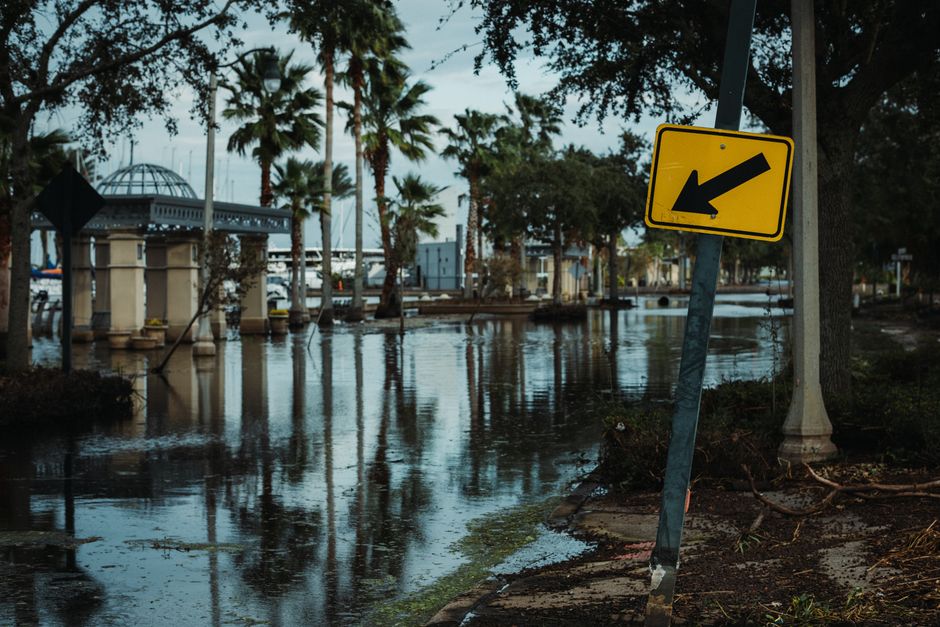
We build our entire modern existence on a fragile latticework of technology, yet when the mercury climbs, the very systems designed to keep us moving and powered buckle under the strain. Why is crucial tech vulnerable to the heat, forcing us to confront a future where basic services are anything but guaranteed? This isn’t just an inconvenience; it’s a systemic failure.
According to BBC Technology, vital services like energy grids and train networks are alarmingly susceptible to very hot weather, threatening to derail daily life with increasing frequency. It’s a stark reminder of our dependence.
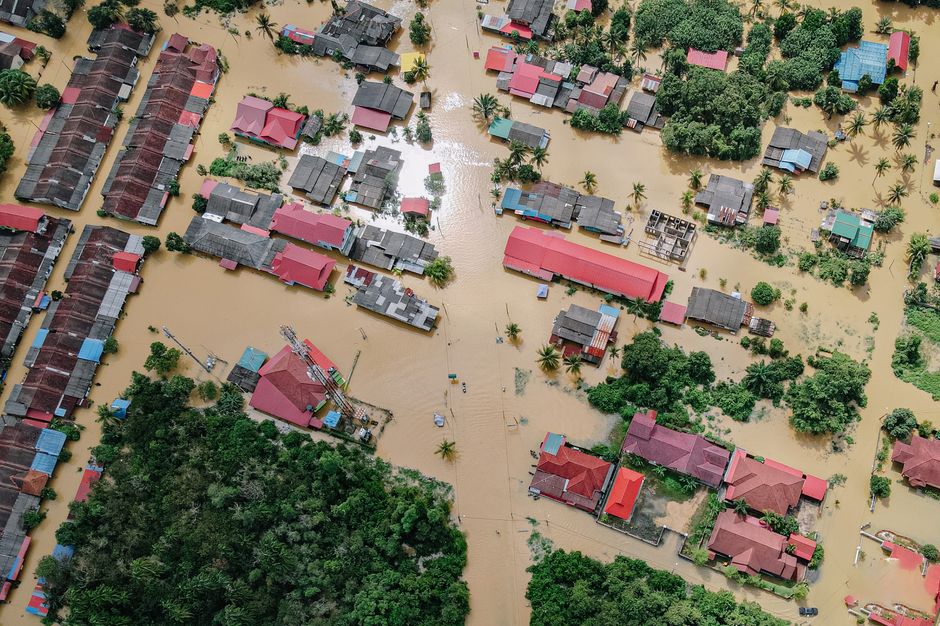
Why Our Infrastructure Is Melting Down
This vulnerability is not some sudden, unforeseen phenomenon. For years, scientists have warned about rising global temperatures and the increased frequency of extreme weather events, including intense heatwaves. Yet, much of our essential infrastructure—the grids, the rails, the data centers—was designed decades ago, for a climate that no longer exists. They simply weren’t built to withstand sustained temperatures in the high 30s, 40s, or even 50s Celsius.
Consider the physics: metal expands, cables sag, cooling systems strain, and electronic components overheat. These aren’t futuristic scenarios; these are the immediate, tangible effects that lead to power outages and travel chaos. The cost of upgrading this aging, inadequate infrastructure globally is monumental, but the cost of inaction is proving to be far greater, both economically and socially.
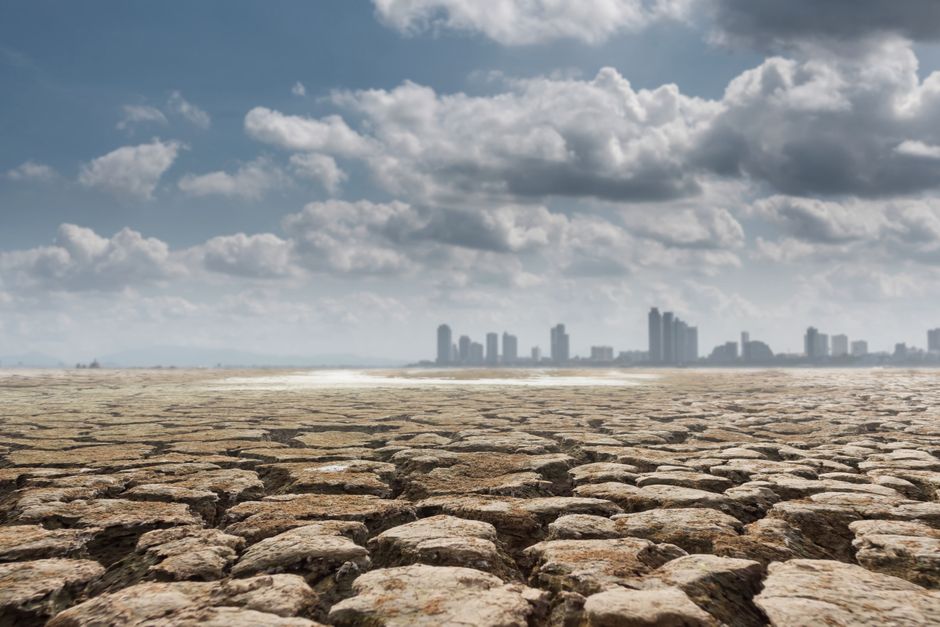
Our increasing reliance on digital systems only exacerbates the problem. Every transaction, every communication, every smart home device needs a stable power supply and robust network. When the foundational elements fail, the entire edifice of modern convenience collapses. We’ve built an intricate, interconnected world without ensuring its fundamental resilience to the most predictable impacts of climate change.
Regions already familiar with extreme heat, like parts of the Middle East and South Asia, offer a grim preview. While some have developed sophisticated, often energy-intensive, cooling solutions, the sheer scale of the problem is outstripping even the most advanced preparations. The global North, often complacent in its temperate zones, is now facing the same existential challenge, but with less inherent experience in managing the scorching temperatures that are becoming the new normal.
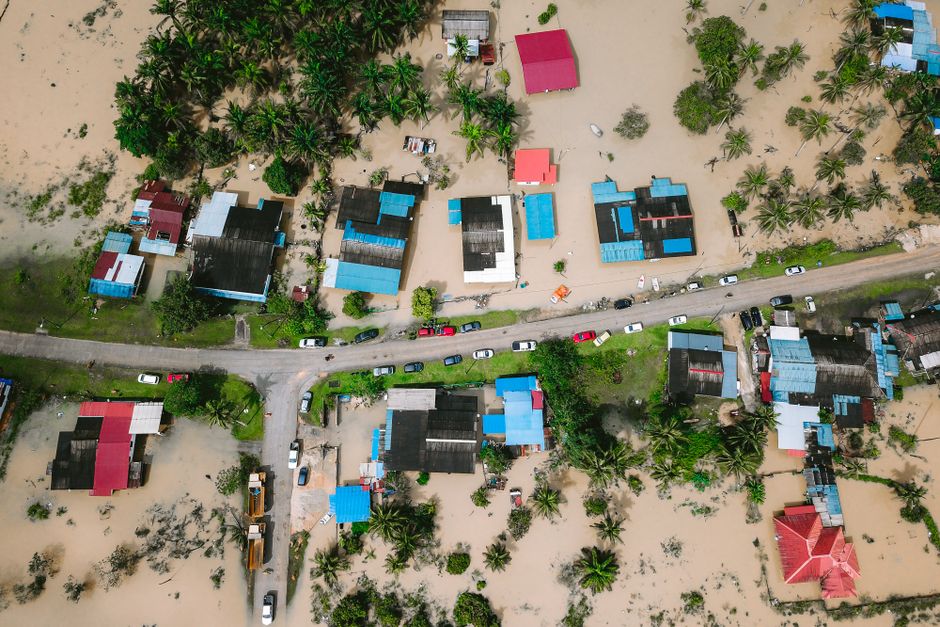
The Folly of Fair-Weather Infrastructure
Let’s be blunt: the vulnerability of our tech to heat is less an engineering mystery and more a political and economic choice. For too long, governments and corporations have prioritized short-term profits and minimal investment over long-term resilience. It’s cheaper to patch and pray than to rebuild and reinforce. This isn’t just about a lack of foresight; it’s about a calculated gamble on future weather patterns that we are now demonstrably losing.
The mainstream narrative often frames these disruptions as unavoidable acts of nature. But this sidesteps the crucial fact that we *could* have prepared. We *could* have invested. We *could* have designed systems capable of weathering the storm, or in this case, the relentless sun. Instead, we’re left with critical infrastructure that performs optimally only when the weather is perfectly agreeable—a fair-weather friend in a world that’s anything but fair.
Who suffers most from this systemic fragility? The most vulnerable, of course. Those without access to backup power, without the means to escape sweltering homes, or those reliant on public transport for essential services. The digital divide becomes a climate divide, intensifying existing inequalities. Meanwhile, the powerful often retreat to air-conditioned cocoons, shielded from the very consequences of the policies they’ve perpetuated.
The tech industry, for all its innovation, must also bear scrutiny. While pushing for more interconnected, data-driven solutions, has it sufficiently advocated for the robust, climate-proof infrastructure required to support its own creations? Or has it relied on the assumption that the “dumb” pipes and wires would always just work? The shiny new apps mean little when the power grid powering them buckles.
This isn’t about shaming; it’s about waking up. We’ve been sold an illusion of invincible progress. The reality is a precarious existence, where the foundational elements of society are slowly, visibly, beginning to fail under pressure. This is a problem of design, of investment, and ultimately, of political will.
We need to demand answers. Why are we continually caught flat-footed by predictable climate impacts? Are we truly prepared for a future where the basics are no longer guaranteed, or will we continue to sweat out our collective inaction, one crisis at a time?
Source: BBC Technology