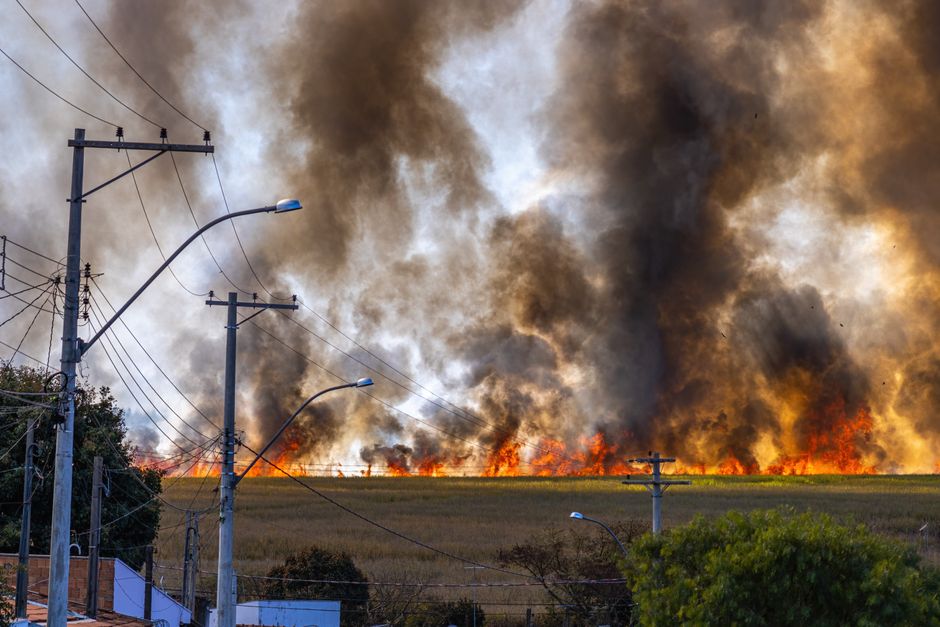
The air we breathe is no longer just air; it’s a toxic soup, and if you’re asking Where Wildfire smoke is worst, the answer is often right over your head, courtesy of our northern neighbor. This isn’t just an inconvenience; it’s a visceral, choking reminder of interconnected environmental crises and the often-absurd reactions of our political class.
According to Forbes, air quality alerts have been issued in a staggering 19 US states, as smoke from Canadian wildfires continues its relentless southward spread. This atmospheric invasion has prompted furious demands for answers from Canada by elected officials, with one senator even going so far as to call for sanctions.
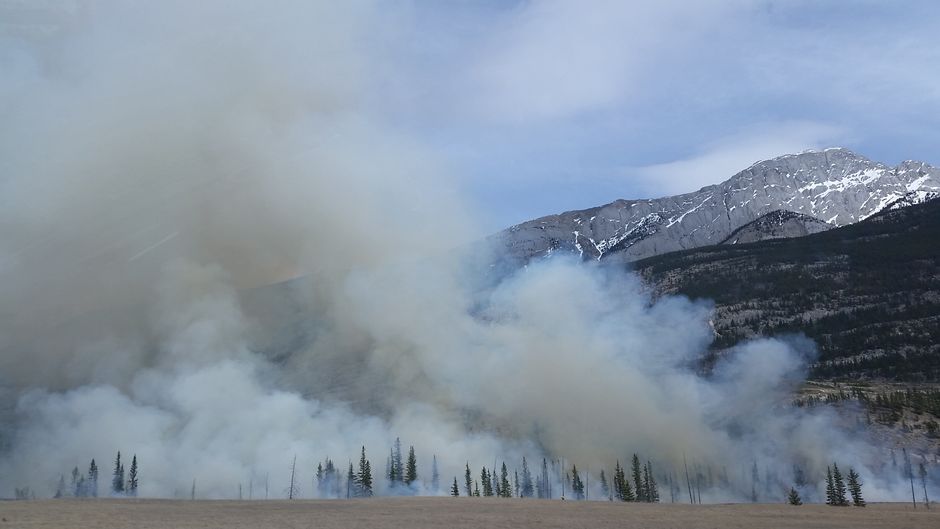
The Smog of Neglect: Where Wildfire Smoke Becomes a Political Weapon
This isn’t the first time American skies have turned orange, nor will it be the last. The cyclical question of Where Wildfire plumes will next choke American skies has become a grim annual ritual, particularly in recent years. What was once dismissed as a regional problem in the American West has undeniably become a cross-continental crisis, demonstrating how quickly environmental issues can leapfrog national borders.
The players in this hazy drama are numerous: the affected US states, the Canadian federal and provincial governments struggling to contain immense blazes, and a chorus of US politicians eager to project strength. Meanwhile, millions of ordinary citizens are left to grapple with health advisories, canceled outdoor activities, and the unsettling sight of a sun obscured by distant flames. This scenario highlights a profound vulnerability, exposing the limits of national sovereignty when faced with a global phenomenon like climate change, which undoubtedly fuels these increasingly severe fire seasons.
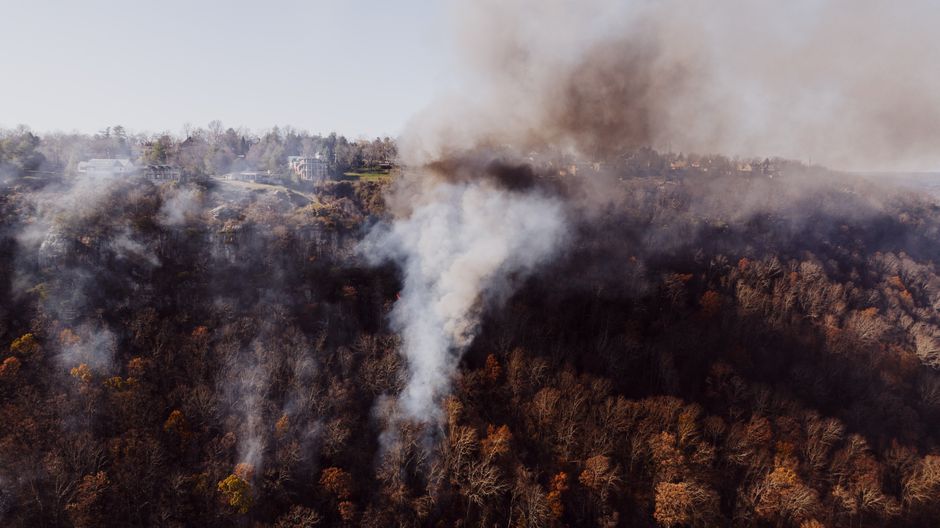
The context here is crucial. Canada, with its vast boreal forests, is experiencing unprecedented fire activity, a direct symptom of rising global temperatures. These aren’t just small brush fires; they are mega-fires, often remote and incredibly difficult to control. For US politicians to demand “answers” or, more dramatically, “sanctions” from Canada reveals a profound misunderstanding of the problem’s scale and nature, or perhaps a cynical play for headlines during a public health scare.
Sanctions or Solutions? The Real Cost of Hazy Diplomacy
Let’s be clear: demanding sanctions against Canada for wildfires is not a policy; it’s performance art. What exactly would such sanctions entail? Punishing Canada for a natural disaster exacerbated by global climate patterns? The notion is not only impractical but also deeply counterproductive. It frames a shared problem as a unilateral failing, entirely missing the point that environmental crises demand cooperation, not punitive measures.
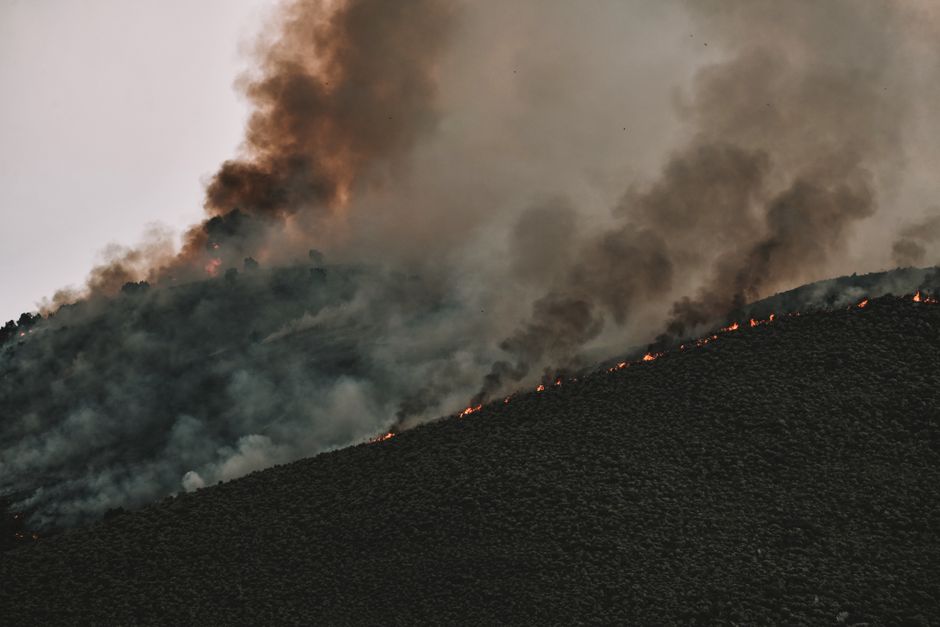
The real hot take here is that this political posturing distracts from the deeper, more uncomfortable truths. Both the US and Canada are major contributors to the carbon emissions that drive climate change, creating the perfect conditions for these infernos. While one country’s forests burn, the other’s citizens choke, yet the underlying causes are often shared. To scapegoat Canada is to ignore America’s own environmental footprint and its role in the broader climate crisis.
Who wins in this scenario? Politicians who can claim they’re “doing something,” however performative. Who loses? The millions of Americans breathing polluted air, certainly. But also, potentially, the goodwill and collaborative spirit necessary for genuinely tackling environmental challenges that transcend borders. Instead of fostering joint initiatives for fire prevention, rapid response, or climate mitigation, this rhetoric risks souring relations between two of the world’s closest allies. However, pointing fingers and demanding sanctions for Where Wildfire originates only serves to obscure the larger, more inconvenient truths about collective responsibility.
The mainstream narrative often focuses on the immediate impact and the blame game. What it misses is the systemic failure to address climate change head-on, and the hypocrisy of a nation demanding accountability from others while often resisting robust environmental policies domestically. A truly effective response would involve shared resources, joint research, and a unified push for carbon reduction, not grandstanding that sounds more like a schoolyard spat than serious international diplomacy.
When the air itself becomes a weapon, the question isn’t just *where* the smoke comes from, but *when* we will finally see beyond borders to solve the fires raging within our shared home.
Source: NewsAPI:us