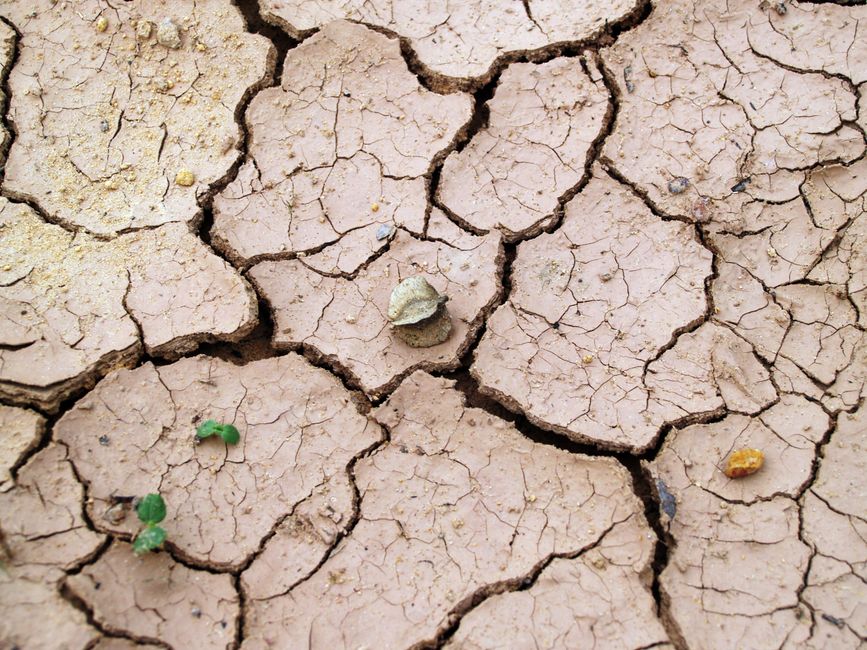
When the earth is truly parched, what inconvenient truths rise to the surface? It seems that even centuries-old landscaping, once thought lost to time, can’t resist making a dramatic comeback when conditions turn extreme. This isn’t just about a pretty garden; it’s a stark visual reminder of deeper changes, a ghost of history pointing directly at our present.
According to the BBC, recent hot weather across the UK has caused parched grass to reveal the distinct outline of The Great Parterre, an elaborate 17th-century garden. Designed in 1699, this ornate feature has remained hidden beneath the surface for generations, only to reappear now as an unexpected archaeological find.
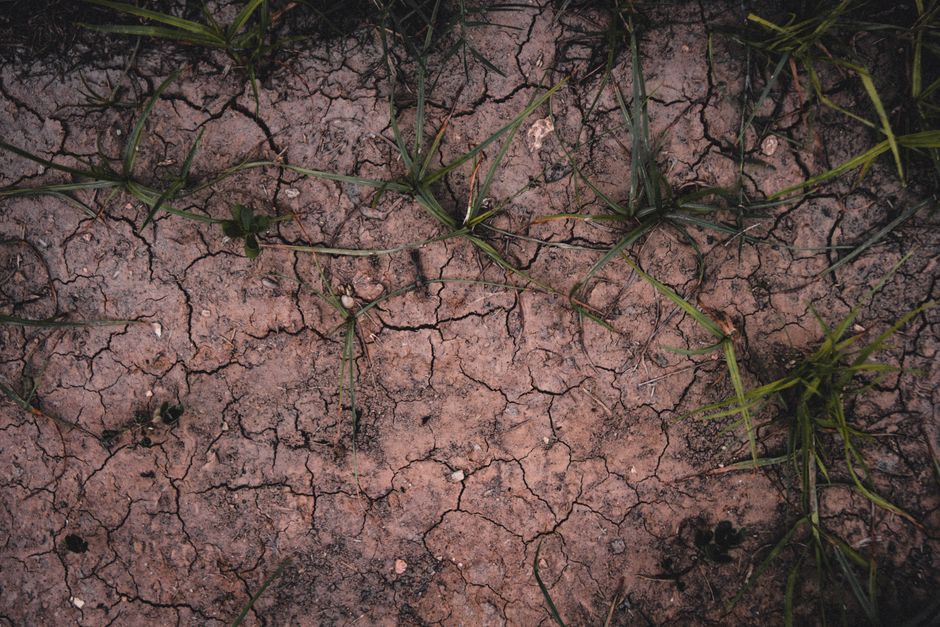
Unearthing History in a Parched Landscape
This isn’t merely a quaint historical rediscovery; it’s a direct consequence of the increasingly parched conditions gripping parts of the UK. The Great Parterre’s ghostly reappearance serves as a potent symbol. On one hand, it’s a testament to the ingenuity and ambition of a bygone era, a carefully crafted landscape that has stubbornly resisted complete erasure. On the other, it’s a stark visual alarm bell, ringing silently across the British countryside. What does it say about our contemporary relationship with the environment when such revelations emerge from climatic distress?
The UK, a nation often defined by its verdant landscapes and rich historical tapestry, is now confronting a future where both are under threat. Our heritage sites, from ancient monuments to stately homes, are not just static museum pieces; they are dynamic entities constantly interacting with their environment. The same forces that reveal a lost garden can just as easily degrade or destroy other invaluable parts of our past. The question then becomes: how prepared is a nation so proud of its history to adapt to the environmental realities that are literally reshaping its historical canvas? The Great Parterre’s return from the parched earth is a beautiful moment, yet one tinged with undeniable irony.
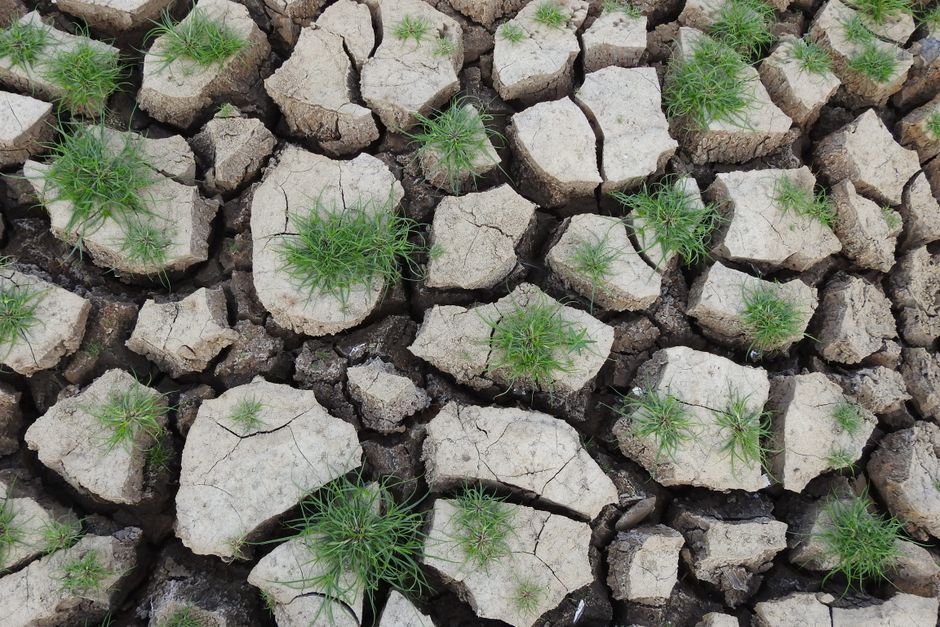
The Politics of a Drying Nation
Let’s be clear: this isn’t just an archaeological curiosity; it’s a political mirror reflecting the UK’s ongoing struggle with climate change. While we marvel at the elegant curves of a long-lost garden, the underlying cause — sustained drought and extreme heat — points to systemic vulnerabilities. Are we truly focusing on resilient infrastructure, sustainable water management, and robust climate adaptation policies, or are we simply reacting to crises as they emerge? The narrative around such discoveries often leans into wonder, but the subtext screams warning.
The lesson from this parched patch of history is clear: nature, even when seemingly tamed and buried, has a way of asserting itself. This re-emergence challenges the prevailing political discourse, which too often separates environmental concerns from economic growth or social policy. The fact is, a truly parched landscape impacts everything from agriculture and public health to the very fabric of our national heritage. While politicians debate the nuances of net-zero targets, the ground itself is offering undeniable evidence of what’s already here. This isn’t a future problem; it’s a now problem, etched into the dry earth for all to see.
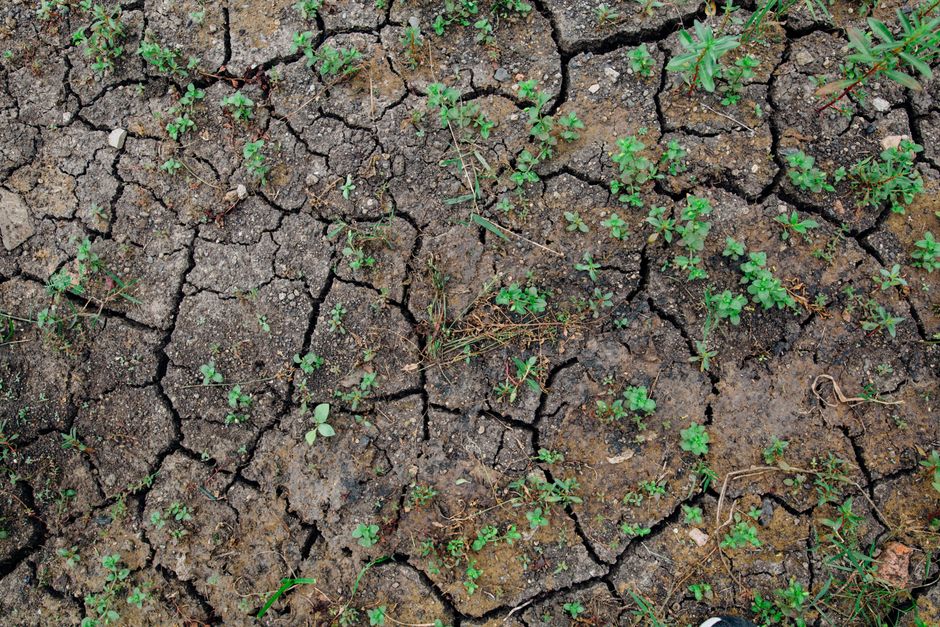
Who benefits from this revelation? Historians and tourists, certainly, but perhaps also those willing to look beyond the immediate fascination and connect the dots to broader environmental and political challenges. Who loses? Everyone, if this visual cue is dismissed as an isolated incident rather than integrated into a serious strategy for a changing climate. It’s time to move beyond admiring the ghost of a garden and start addressing the living, breathing crisis that brought it back.
As our landscapes become increasingly parched, what else will rise to the surface? More lost gardens, certainly. But also, perhaps, the uncomfortable truth about our collective failure to adequately prepare for a future that is already here.
Source: BBC UK