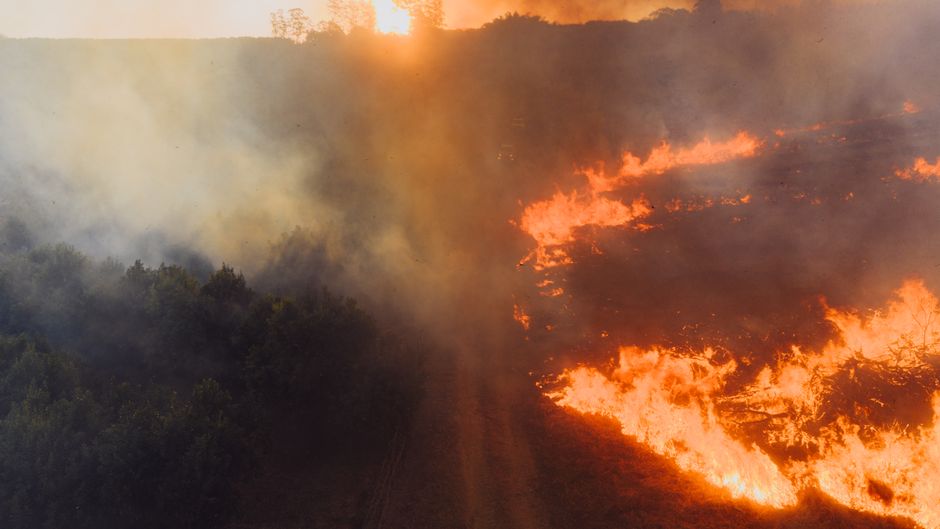
Here we go again, Britain. Another summer, another round of scorching temperatures, and another **Amber** heat health alert draped across the map. It’s becoming less of an anomaly and more of a grim, predictable calendar event, isn’t it? We’re not just living through history; we’re reliving it, hotter each time.
Much of eastern England, according to BBC UK, is now under these amber alerts starting Wednesday, with forecasters predicting temperatures will once again surge into the mid-30s Celsius. This isn’t a one-off freak incident; it’s a pattern solidifying before our very eyes.

The UK’s Amber Wake-Up Call
The United Kingdom has always prided itself on its temperate climate. Our national identity is woven with tales of unpredictable weather, of four seasons in a single day. Yet, for several summers running, that romantic notion has been scorched away by heatwaves that push our antiquated infrastructure and social systems to their absolute breaking point. We are simply not built for sustained heat.
Think about it: our homes are designed to keep heat *in*, not out. Our public transport buckles under the strain, with rails warping and signal failures becoming commonplace. Hospitals, already struggling with chronic underfunding, face increased pressure from heatstroke cases and exacerbations of existing conditions, especially among the elderly and very young. These **Amber** warnings are not merely meteorological; they are a stark reminder of our collective vulnerability, a flashing light on the dashboard of a nation ill-prepared for its changing climate. The question isn’t whether we’ll see another one, but how many more before we truly adapt.
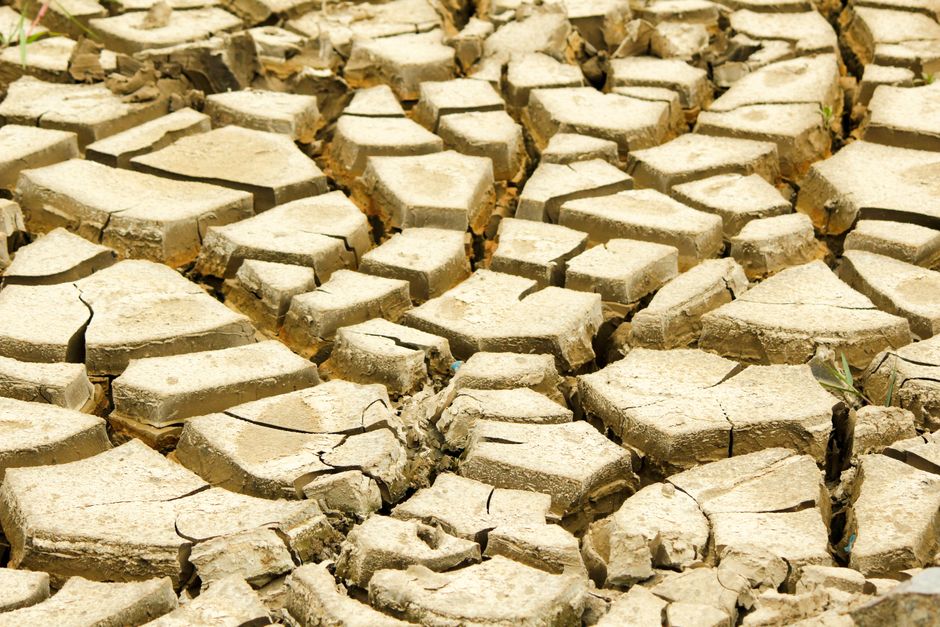
What led us here? A cocktail of global climate change, certainly, but also a persistent national reluctance to invest in proactive solutions. We scramble for fans and bottled water when the heat hits, rather than systematically upgrading our buildings, urban planning, and emergency services for a hotter future. We prefer to react rather than innovate, hoping each heatwave is “the last one.” Meanwhile, the planet keeps turning, and the temperatures keep rising.
Beyond the Reactive Amber Alerts
This cycle of reactive alerts and emergency measures is a profound failure of foresight. Who wins from this? Certainly not the vulnerable populations trapped in sweltering homes, nor the overstretched healthcare workers on the front lines. The real winners are those who can afford air conditioning or escape to cooler climes, highlighting an uncomfortable truth about climate inequality right here on our doorstep. The rest of us are left to sweat it out.

What the mainstream narrative often misses is the sheer cost of this inaction. It’s not just about discomfort; it’s about lost productivity, increased healthcare spending, and the erosion of public trust in institutions that seem perpetually caught flat-footed. Every **Amber** alert should be a catalyst for a national conversation about adaptation and resilience, yet too often it dissipates with the cooling breeze, only to reappear a few weeks later. We need to move beyond simply warning people to stay hydrated. We need a national strategy for heat-resilient infrastructure, for green spaces that cool urban areas, and for public health campaigns that go beyond the obvious.
Some might argue that these alerts are a necessary public service, a diligent response to an immediate threat. And they are, to a point. However, they are also a band-aid on a gaping wound. We acknowledge the danger, but we stop short of truly addressing its root causes or preparing for its inevitable recurrence. This cycle risks normalizing extreme conditions, lulling us into a false sense of security that merely knowing a problem exists is equivalent to solving it.
The UK is at a crossroads. Will we continue to merely issue **Amber** warnings and hope for the best, or will we finally confront the reality that our summers have fundamentally changed? The answer will define not just our climate policy, but the liveability of this nation for generations to come.
Source: BBC UK