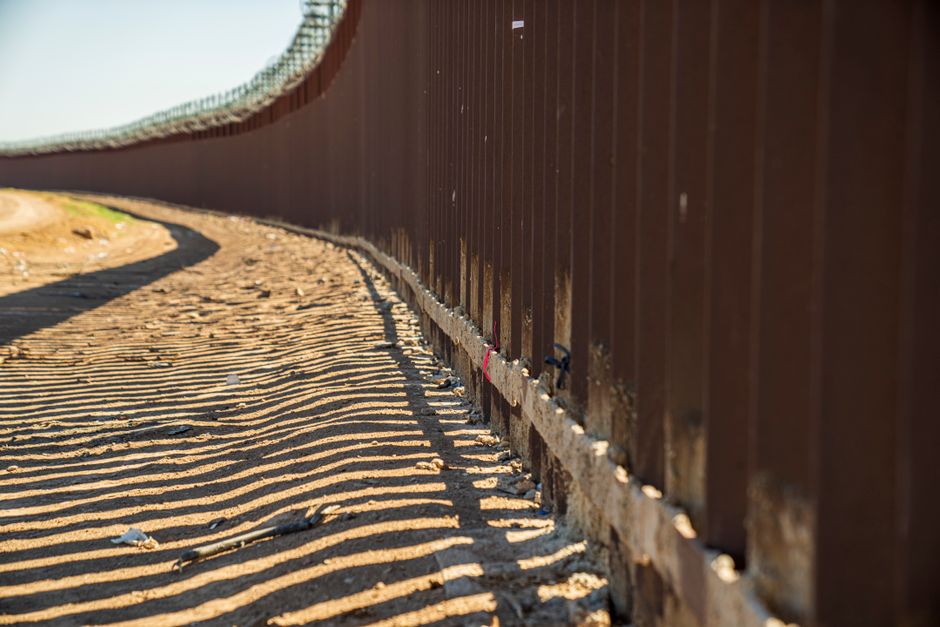
The sound of a federal agency hitting the brakes is rare enough to warrant a moment of quiet reflection, particularly when it comes to the relentless march of border infrastructure. This week, the decision to **Pauses Border** security projects in Big Bend National Park offers just such a pause for thought, leaving us to wonder if a new era of responsiveness has dawned, or if it’s merely a strategic regrouping.
U.S. Customs and Border Protection Commissioner Rodney Scott made the notable announcement on Monday, choosing the rather informal forum of the social media platform X to inform the public. Breitbart, ever diligent in its border coverage, reported that Scott’s agency had initiated a “temporary halt” to ongoing infrastructure projects within the ecologically sensitive confines of Big Bend National Park in West Texas. The stated catalyst for this sudden change of pace? “Public outcry,” a phrase often invoked but rarely heeded with such immediate effect by federal security apparatuses.
The political backdrop is as arid as the West Texas landscape itself. Border security has long been a flashpoint, with calls for robust physical barriers clashing with environmental concerns, indigenous rights, and local community interests. Big Bend, a national treasure known for its unique biodiversity and rugged beauty, was perhaps an inevitable collision course for these competing priorities. That CBP, under Commissioner Scott, found itself in a position where pausing operations was deemed necessary suggests the “outcry” was neither quiet nor easily dismissed.
What landed
The most striking revelation from Commissioner Scott’s brief social media dispatch is the simple fact of the pause itself. For an agency whose mission often prioritizes speed and unwavering commitment in the face of perceived threats, the acknowledgement of “public outcry” as a reason to halt operations is genuinely remarkable. It suggests a chink in the armor of bureaucratic momentum, a rare instance where the collective voice of concerned citizens appears to have registered.
This “temporary halt,” as reported by Breitbart, demonstrates a degree of responsiveness that many might not have anticipated from a border enforcement agency. It’s an implicit recognition that, even in the name of national security, there are limits to where and how infrastructure can be built, particularly within designated national parks. The decision, however belated, to reconsider the impact of these projects on a pristine natural environment is, at face value, a commendable step towards a more nuanced approach. It’s a small, encouraging crack in the wall of an often unyielding policy stance.
What doesn’t add up
While the pause might elicit a sigh of relief from conservationists and local residents, it also begs a rather pointed question: why now? Were these projects initiated without sufficient environmental impact assessments, or without adequate consultation with stakeholders who might, one assumes, have voiced their “outcry” much earlier in the planning stages? The very phrase “public outcry” implies a situation that has escalated to a point where it could no longer be ignored, rather than a proactive engagement process.
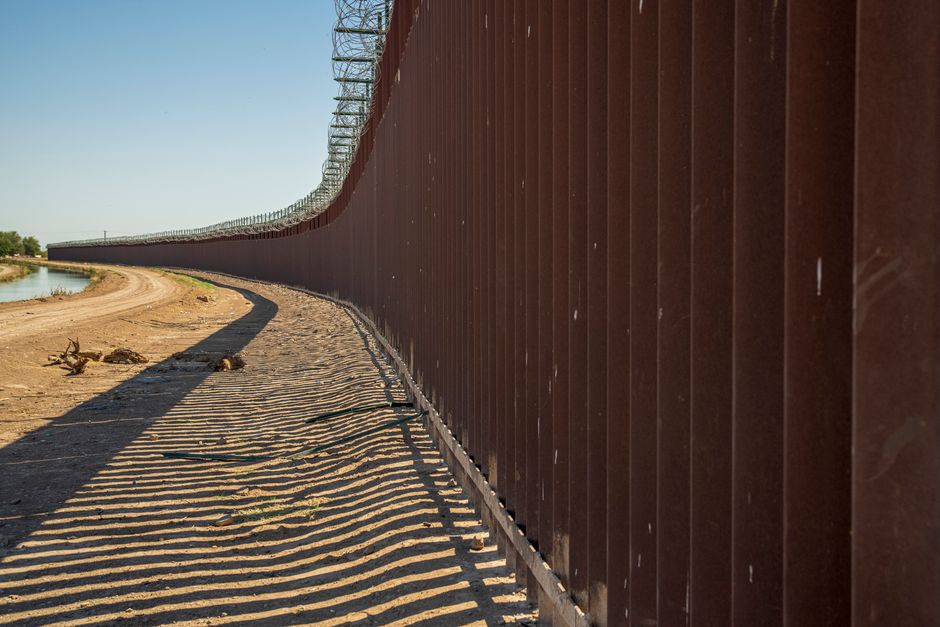
One might also be forgiven for a healthy dose of skepticism regarding the “temporary” nature of this halt. Is this a genuine reassessment of strategy and environmental impact, or a tactical retreat designed to defuse public anger before a re-evaluation leads to a slightly modified, but ultimately similar, resumption of work? Border security agencies typically project an image of unwavering resolve; a pause, while welcome, feels uncharacteristic and raises questions about the initial oversight or planning that necessitated such a public reversal. It’s a notable departure from the usual chest-thumping rhetoric surrounding border enforcement, and one has to wonder what specific pressures led to this particular moment of introspection.
Come Monday morning, the landscape around Big Bend National Park might remain unchanged, but the political terrain certainly won’t. This pause signals that public opinion, when sufficiently vocal and organized, still holds sway, even over the most determined federal agencies. The stakes are high: will this lead to a more collaborative and environmentally conscious approach to border security, or merely a brief intermission before the cranes and bulldozers return with a new, thinly veiled justification? Only time, and Commissioner Scott’s next public statement, will tell.
Source: OnTheRecord