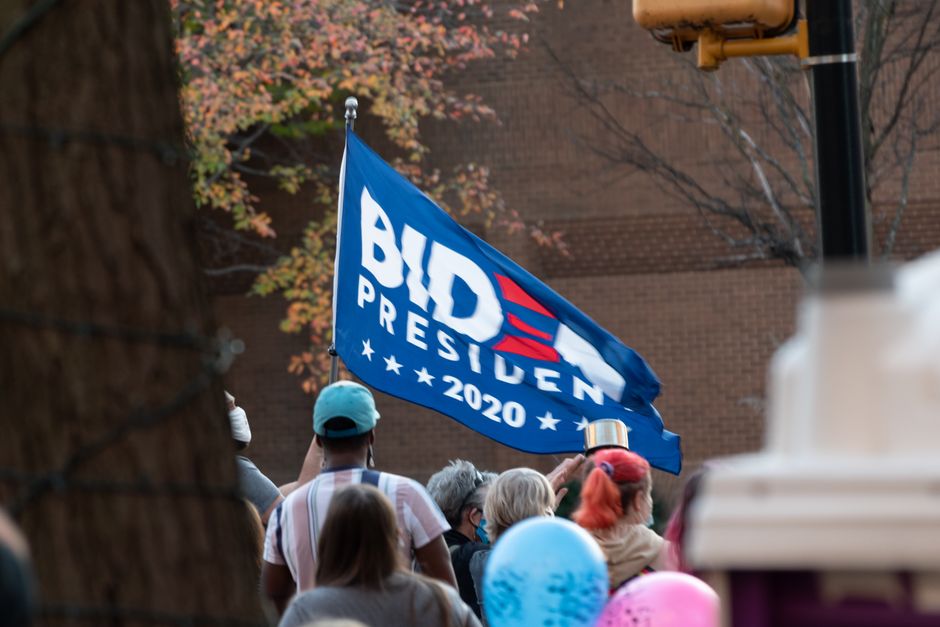
This week, a deeply personal confession from First Lady Jill Biden — invoking the memory of her late son **Beau** — arrived via ABC News, reminding us that even the most intimate grief can find its way into the strategic calculus of presidential politics.
First Lady Jill Biden sat down with ABC News, offering a glimpse into her private world amidst ongoing public scrutiny of President Joe Biden’s health. The interview unfolded against a backdrop of persistent questions surrounding the President’s age and fitness for office, particularly after his recent cancer diagnosis. In an election cycle where every cough and stumble is amplified, the First Lady often steps into the breach, transforming a political vulnerability into a human story.
What landed
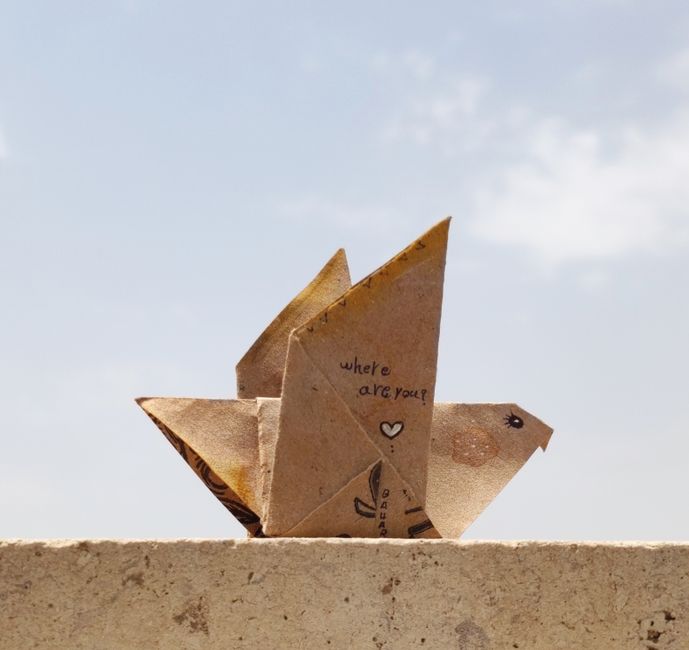
The most striking moment, undeniably, was Jill Biden’s raw admission that she prays to her late son, Beau, for guidance regarding her husband’s health. According to ABC News, she revealed a poignant exchange she has with Beau, asking, “Beau, where are you?” when faced with the President’s cancer diagnosis. This is not the measured, composed First Lady often seen on the campaign trail, but a mother and wife grappling with profound personal anxieties.
Her willingness to articulate such a deeply personal and vulnerable moment, connecting her husband’s health struggles to the enduring grief over Beau, offers a powerful humanisation of the Biden family. It reframes what might otherwise be a purely clinical discussion about presidential health into a narrative of faith, family resilience, and enduring loss. For a moment, the political noise faded, replaced by the universal experience of a family facing adversity, seeking strength from wherever they can find it. It’s a credit to her candour that such a moment was shared, inviting a wave of empathy from those who have faced similar private battles.
What doesn’t add up
While the emotional impact of the First Lady’s comments is undeniable, the interview’s strategic utility cannot be overlooked. The decision to share such a private prayer through a national news outlet, particularly concerning an issue as politically charged as a sitting President’s health, raises questions about the interview’s ultimate purpose. It offers a spiritual and emotional response to what is fundamentally a medical and governance concern.
What doesn’t quite add up is how a deeply personal moment of grief and prayer neatly sidesteps the more granular, clinical discussions that often accompany a presidential cancer diagnosis. By focusing on the profound emotional landscape of the family, the interview, perhaps inadvertently, directs attention away from the specifics of treatment, prognosis, and potential impacts on the President’s rigorous schedule. It presents a narrative of enduring strength and faith, which is commendable, but it also serves as a powerful shield against the more pointed inquiries about the President’s physical capacity that have become a staple of cable news punditry. The interview doesn’t contradict a prior medical statement, but it does shift the axis of the conversation from clinical facts to emotional fortitude, which can feel like a deliberate, if understandable, reframing.
Come Monday morning, this interview will have done its work. For some, it will solidify the image of a resilient, faith-driven family battling hardship, eliciting sympathy and admiration. For others, it will merely underscore the administration’s strategy of leveraging personal narratives to manage public perception around sensitive political issues. The conversation about President Biden’s health hasn’t ended; it has simply been filtered through a lens of profound personal grief, leaving the political implications to be debated and dissected in the weeks to come.
Source: Google — Leader interviews