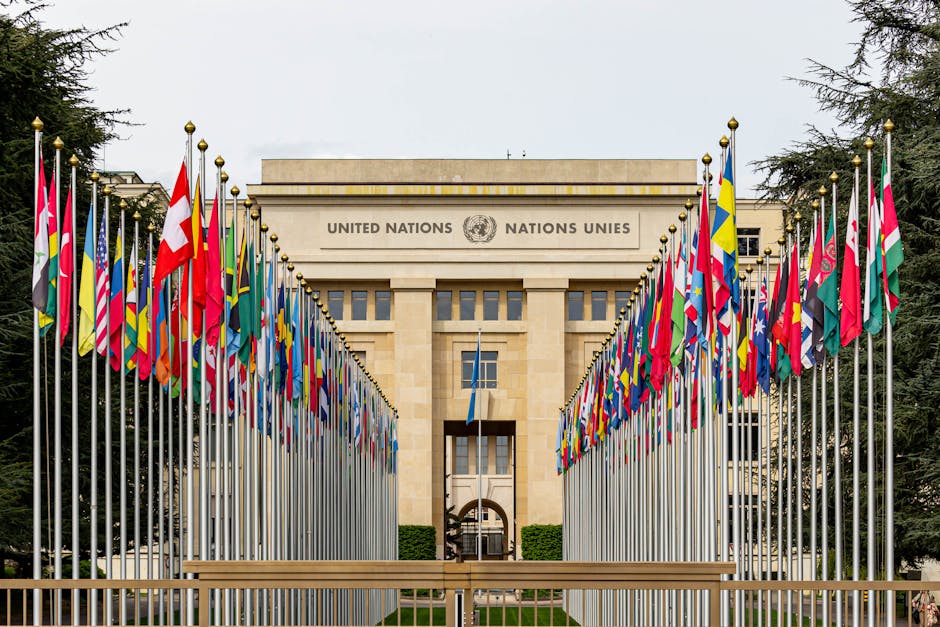
Bangladesh’s Rahman is about to take the reins at the UN General Assembly, and South Asia should be bracing for a seismic shift. Will this be a pivot point for the region, or just another layering of bureaucracy that fails to deliver real change?
According to UN News, the General Assembly has elected Bangladesh’s Foreign Minister, Abul Kalam Abdul Momen Rahman, as its next president. He will step into this high-profile role amidst a global landscape fraught with uncertainty and regional tensions.
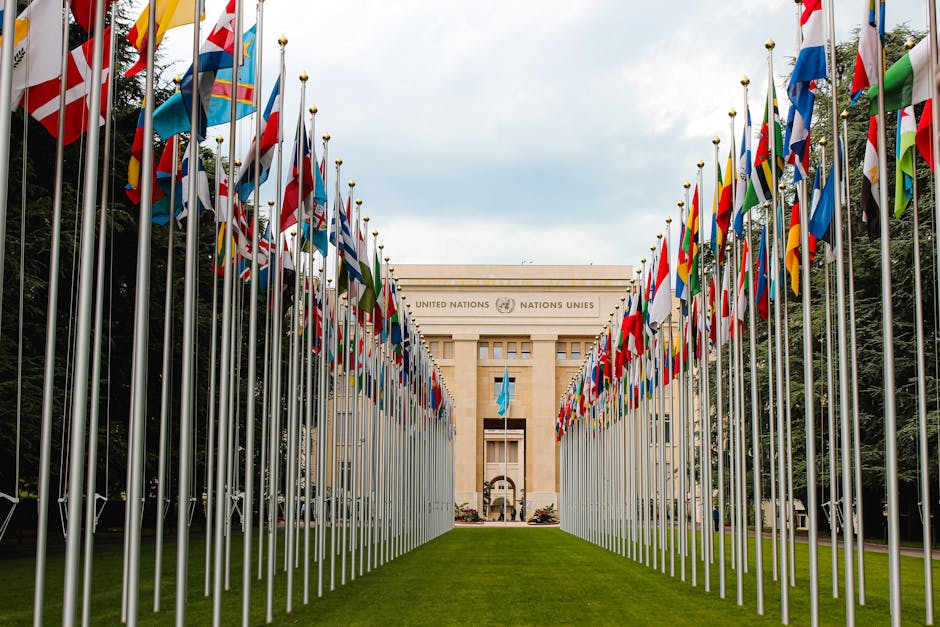
The Significance of Leadership in South Asia
This election comes at a nexus of pressing issues in South Asia, where the stakes couldn’t be higher. From climate change to geopolitical rivalries, Rahman will inherit a plethora of challenges that demand not just diplomatic finesse but also bold decision-making. With Bangladesh rapidly emerging as a player on the global stage, Rahman’s presidency could empower the country to leverage its position more effectively among larger powers.
However, we must recognize that the UN has often been criticized for its bureaucratic inertia. While Rahman’s leadership is a symbol of Bangladesh’s growing influence, there are doubts about whether he can maneuver through the often stagnant waters of international diplomacy. The complexities of South Asia’s relationships—particularly between India, Pakistan, and China—will challenge his ability to unify voices within the assembly.
The Stakes of Rahman’s Presidency
Rahman’s ascension is a double-edged sword. On one side, he represents a new generation of leadership hailing from a nation that has made remarkable strides in development. His presidency could shine a spotlight on issues that disproportionately affect South Asia, such as poverty, women’s rights, and climate resilience. Yet, we must temper our expectations; Rahman’s diplomatic track record shows he may struggle against the entrenched interests of more powerful nations in the assembly.
The real test will be how Rahman navigates the various alliances and rivalries within South Asia. Will he champion regional cooperation, or will he find himself sidelined by the political machinations of larger players? If he can effectively articulate the concerns of his nation while also championing the broader interests of South Asia, he could emerge as a transformative figure. But if he falters, his term could go down as another missed opportunity for the region.
Additionally, consider the broader implications of his presidency. The UN’s efficacy has come under scrutiny, especially regarding its response to crises in South Asia. We are seeing an increasing call for reform to make the institution more relevant to the needs of developing nations. Rahman’s leadership could be a critical turning point in this dialogue.
While he has the potential to elevate the voice of South Asia on the global stage, the very structure of the UN may hinder substantial change. Thus, we must maintain a vigilant eye on how Rahman plans to engage with issues like sustainable development and humanitarian crises.
As South Asia holds its breath for this historic leadership transition, the question looms large: will Rahman’s presidency be a catalyst for change or a mere reflection of the UN’s status quo?
In a world that desperately needs a fresh approach, Rahman’s chance to redefine South Asia’s narrative at the UN could either become a testament to progress or another chapter in a long history of unfulfilled promises. Only time will tell if he emerges as the transformative leader South Asia needs, or if he simply becomes another cog in an unwieldy machine.
Source: Google — South Asia