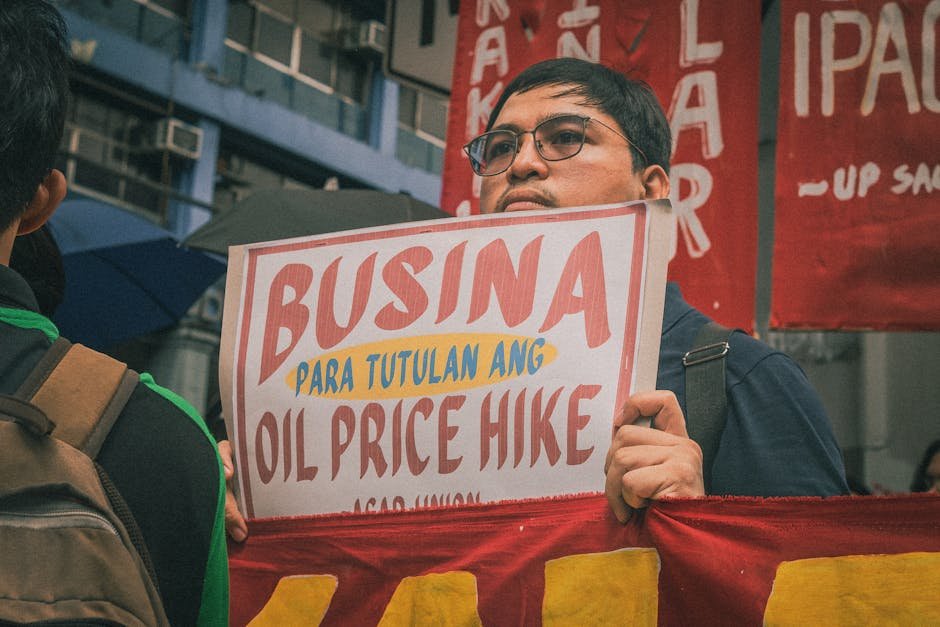
Raising fuel prices is a political dynamite, and Bangladesh has just lit the fuse. As nations across South Asia grapple with the volatile global costs of oil, the government’s decision to hike fuel prices again is a stark reminder of how interconnected we are with the global market—and how quickly these interconnectedness can stir unrest.
According to Reuters, Bangladesh has once again raised fuel prices, pushing the cost of diesel and petrol to new heights as global oil prices surge. This increase marks a continuous trend that reflects the rising costs on the world stage, but perhaps more crucially, it raises questions about the government’s ability to cushion the blow for its citizens.
The South Asia Energy Crisis
This latest fuel price hike is symptomatic of a broader energy crisis that’s sweeping across South Asia. Countries like Pakistan and India are also feeling the heat, struggling to balance economic stability with the demands of their populace. In Bangladesh, the government previously tried to shield its citizens from rising global costs by absorbing some of the increases. However, that kind of financial gymnastics is unsustainable over time, especially when crude prices keep creeping higher.
The players in this scenario are not just the government and the citizens. Oil-exporting nations, international markets, and the banks that finance oil infrastructure all play crucial roles. With geopolitical tensions in the Middle East and a pandemic recovery that’s more fragile than optimistic, the supply chains that once appeared solid now seem precarious at best.

The Stakes in South Asia’s Fuel Tragedy
So, what’s really at stake here? For the government of Bangladesh, raising fuel prices is a necessary evil to stabilize its economy, but it’s a gamble. It risks igniting public outrage at a time when citizens are already burdened with rising living costs. The common man, already struggling under financial strain, will undoubtedly feel the pinch harder now. The fear is that this could lead to protests and political instability, especially as the government gears up for elections.
Meanwhile, the informal economy, which thrives on lower fuel prices, stands to lose the most. The ripple effects of this decision could touch every sector, from transportation to agriculture, exacerbating existing inequalities within society. The mainstream narrative often overlooks this critical aspect—it’s not just about prices; it’s about who gets hurt the most in the process.
In a region still recovering from economic shocks and the aftermath of political turmoil, the stakes couldn’t be higher. This isn’t merely a financial issue; it’s a question of governance and social stability. If the government fails to communicate effectively with its citizens about the rationale behind these hikes, we could see a backlash that shakes the foundations of power.
Public anger has a way of spilling over, and in a region like South Asia, where political sensitivities are high, it can lead to significant unrest. The government needs to tread carefully, because while they seek to stabilize the economy, they could be sowing the seeds of their own downfall.
The question remains: how much more can the people of Bangladesh and South Asia tolerate? With fuel prices climbing and the cost of living skyrocketing, the answer might soon be more than anyone can bear. As the dust settles, we must ask ourselves—will this be a temporary setback or the catalyst for far-reaching change? Only time will tell.
Source: Google — South Asia