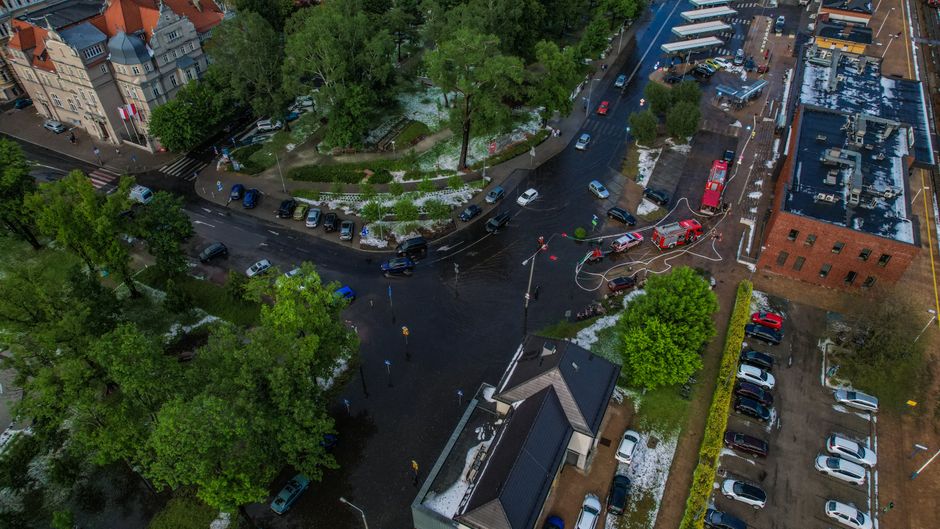
The chaotic conclusion to a Bad Bunny concert in Milan serves as a bracing reminder that even the biggest global stars can’t control the weather, prompting questions about how major events prepare for the truly unpredictable.
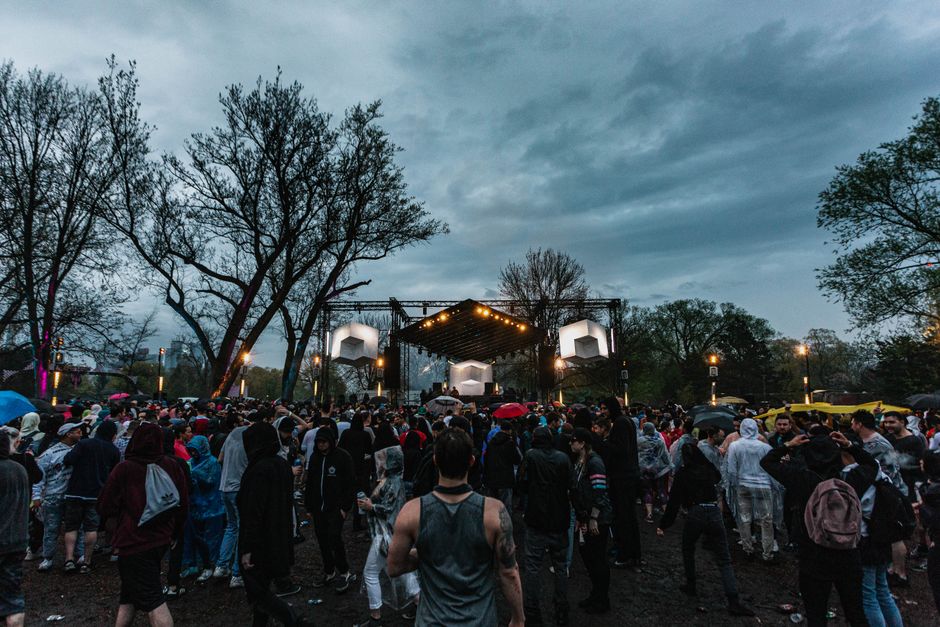
What began as an electrifying night for 80,000 fans at a Bad Bunny concert in Milan quickly descended into disarray, as the Daily Mail reported. Golf ball-sized hailstones unexpectedly began to fall, leading to head injuries and a mass evacuation. This wasn’t a technical glitch or a crowd control failure in the usual sense, but a stark confrontation with nature’s raw power.
In the immediate aftermath, the public record is largely silent on the official post-mortem. There’s no presidential decree on hailstones, nor a world leader’s address on concert safety. Instead, the narrative is pieced together from eyewitness accounts and news reports detailing the sheer scale of the evacuation and the unfortunate injuries sustained by fans. The usual “on the record” statements from event organisers or local authorities remain, for now, conspicuously absent from the public discourse.
What landed
Despite the alarming turn of events, there’s a quiet testament to the resilience of both the attendees and the emergency response. While the Daily Mail highlighted the “chaos,” the successful evacuation of 80,000 people under such extreme and sudden duress speaks volumes about underlying logistical frameworks, even if they were stretched to their limits. The speed at which such a massive crowd was moved, even with injuries, suggests that emergency protocols, however tested, ultimately functioned to prevent an even greater catastrophe. This is where credit, perhaps indirectly, is due to the first responders and security personnel on the ground.
The real “landing” here isn’t a prepared statement, but the stark visual record of the event itself: the shocking footage of hailstones, the panicked scramble, and the eventual clear-out. It’s a powerful, albeit silent, communication to event planners globally. It reinforces that even with meticulous planning for human factors, the capricious nature of the elements remains an ultimate, humbling wild card. The prompt response to a natural disaster, while far from perfect, underscores the necessity of having *any* plan for the truly unthinkable.
What doesn’t add up
The most striking void in the aftermath of the Milan incident isn’t a contradictory statement, but rather the collective silence from those who typically go “on the record” following large-scale public safety incidents. There’s a noticeable absence of official briefings from local Milanese authorities, event promoters, or even a statement from Bad Bunny’s team regarding the immediate response and future safety considerations. This lack of a proactive official narrative leaves a vacuum, allowing speculation to fill the gaps regarding emergency preparedness and future protocols.
What doesn’t add up is the delayed or non-existent public clarity on how such an unforeseen weather event, even with modern forecasting, could be better integrated into event risk assessments. Were there adequate shelters? Were public announcements clear and timely enough for 80,000 people to act cohesively? Without official voices stepping forward to address these critical questions, the public is left to piece together the narrative from news reports alone. The usual spin or careful framing associated with post-event interviews is absent, replaced by a disconcerting quietude that leaves many vital lessons unarticulated.
As the dust—or rather, the hailstones—settle in Milan, the episode serves as a powerful, if painful, teachable moment for the global entertainment industry. Monday morning won’t just bring sore heads for some Bad Bunny fans; it will bring renewed scrutiny on outdoor event safety, demanding that organisers and authorities step forward, finally, to get on the record about how they plan to safeguard audiences against the next unpredictable act of nature.
Source: OnTheRecord