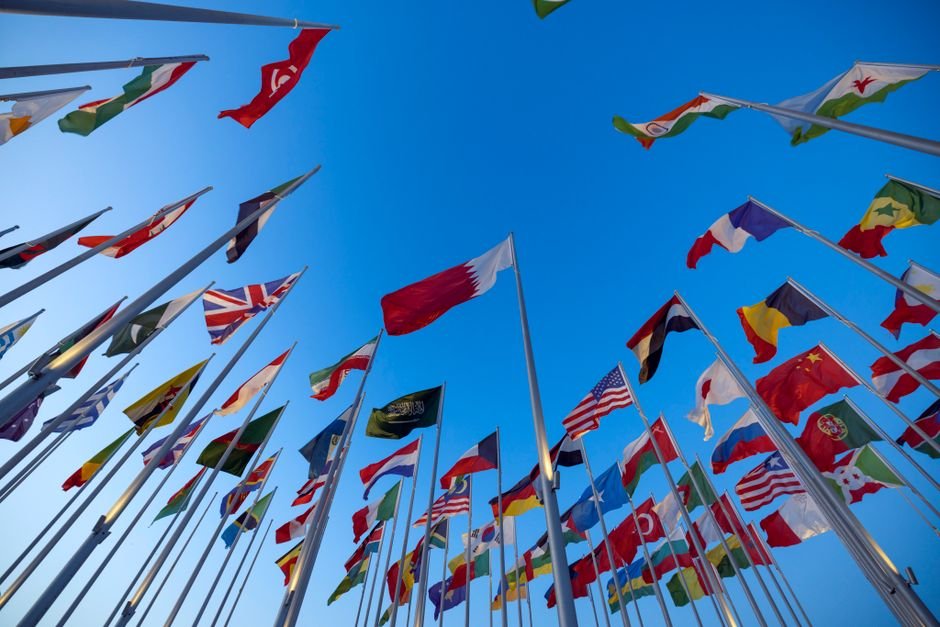
America’s frosty dance with Iran is a spectacle of contradictions, and the pursuit of peace in the Middle East has never felt more elusive. Can anyone truly believe in a diplomatic breakthrough while both sides hurl conflicting claims?
According to The Guardian, President Trump recently showcased an unexpected willingness to engage with Tehran, declaring that the U.S. is “ready to talk.” Simultaneously, Iranian officials dismissed this overture, claiming Washington hasn’t exhibited genuine intent for dialogue. This back-and-forth is more than a mere war of words; it encapsulates the complexity of U.S.-Iran relations that have been simmering for decades.
The Stakes of the Middle East
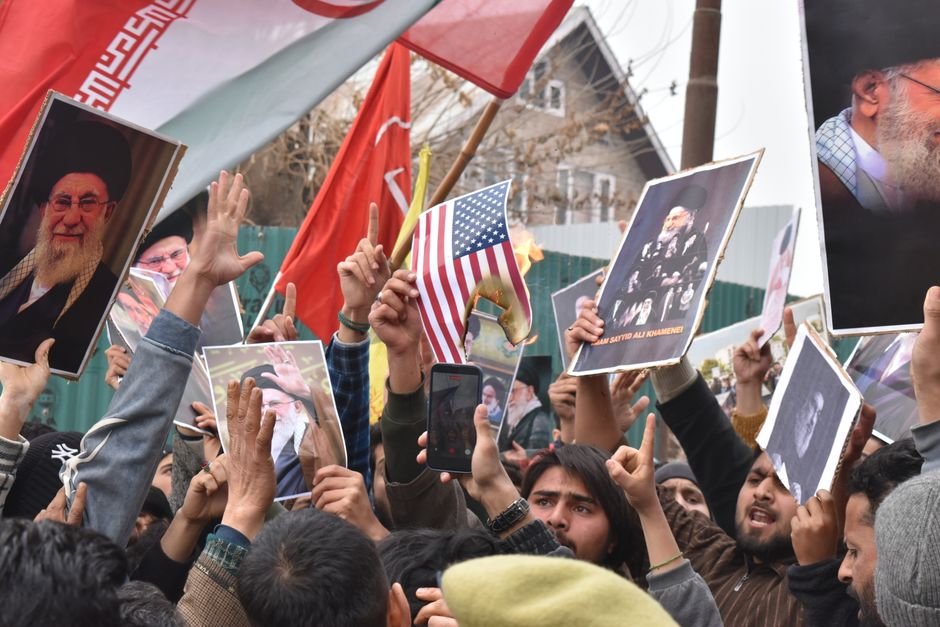
Why does this matter now? The Middle East is at a crossroads, and the interplay between the U.S. and Iran cannot be overlooked. Years of sanctions, proxy wars, and nuclear ambitions have only deepened mutual distrust. Trump’s administration has oscillated between rhetoric and reality, swinging from severe sanctions to half-hearted attempts at negotiation. Meanwhile, Iran’s leadership remains skeptical, navigating its own internal pressures while trying to assert its influence in a region where every player has skin in the game.
What’s at stake is not just a peace deal; it’s regional stability and the lives of countless civilians. The specter of war looms large, especially as militant factions in the region seize opportunities amidst these diplomatic swings. Hence, the stakes couldn’t be higher for the Middle East.
Analyzing the Middle East Tango
So, who stands to gain or lose from this incessant tango? The U.S. could potentially bolster its standing by achieving a historic peace deal, which would allow it to pivot attention back to domestic issues, a welcome change for many Americans. However, should negotiations collapse, Trump’s administration risks further entrenching itself into the quagmire of Middle Eastern politics.
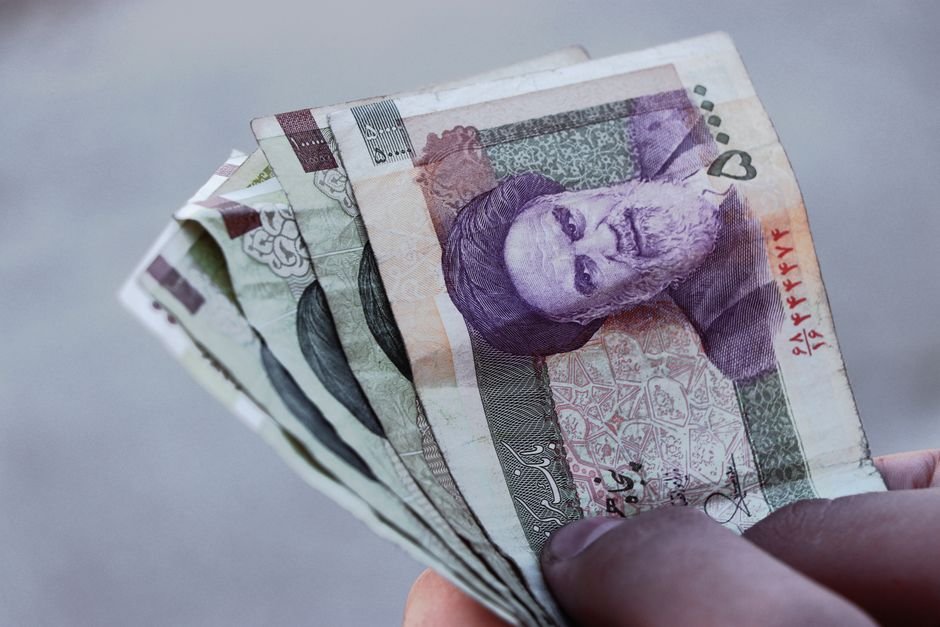
On the flip side, Iran’s government could theoretically benefit from easing sanctions, allowing it to shore up its economy and improve its global standing. However, if they appear to be too accommodating, they risk losing credibility at home, facing backlash from hardliners who thrive on anti-American sentiment. In fact, Iran’s dismissal of Trump’s overtures might be more about internal governance than international relations—a delicate balancing act.
The mainstream narrative often misses a crucial point: the ongoing power play in the region is not merely about the U.S. and Iran. Other players like Russia, China, and even Israel have vested interests that complicate the dynamics. The U.S. might be eager for peace, but will it ever be achievable while these other nations continue to jockey for influence? The landscape of the Middle East is a high-stakes chess game, and America, Iran, and their allies and adversaries are all critical pieces.
As we ponder the future of diplomacy in the Middle East, one question lingers: Are we witnessing the beginning of a genuine thaw, or simply another chapter in an endless saga of failed negotiations? Until both sides can agree on terms that prioritize peace over posturing, the chances for a resolution remain as remote as ever.
Source: Google — Middle East