The Middle East is facing a seismic shift that could alter the balance of power in ways we can hardly anticipate. As former President Donald Trump moves closer to finalizing a deal with Iran, Israeli Prime Minister Benjamin Netanyahu finds himself grappling with a bitter pill that could transform his political landscape. According to Axios, this impending agreement threatens to undo years of diplomatic efforts that aimed to isolate Iran, leaving Israel’s security strategy in tatters.
The Stakes in the Middle East
This deal, primarily orchestrated by Trump in a bid to reassert his influence on the global stage, could signal an unprecedented rapprochement between the U.S. and Iran. The groundwork for this has been laid over the last decade, during which Netanyahu has attempted to rally international support against Iran’s nuclear ambitions. However, with Trump’s unpredictable foreign policy approaches, it seems that Netanyahu’s long-standing strategy might be walking a tightrope over a yawning chasm.
Netanyahu has viewed Iran as an existential threat, and his vehement opposition to any form of engagement with Tehran has earned him both support and criticism. But as the Middle East’s geopolitical chess game evolves, the reality is that Trump’s deal could limit Israel’s freedom to act against what it perceives as an imminent danger. The irony is palpable—Netanyahu, a leader who has capitalized on fear of Iran to rally political support, may find his hands tied as a new diplomatic landscape unfolds.
What’s at Stake for Netanyahu
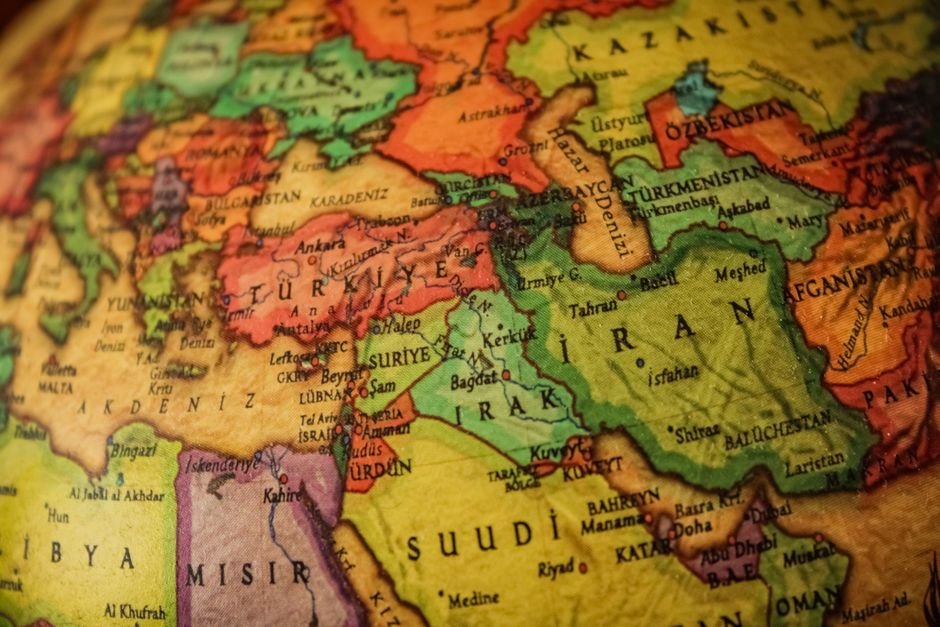
The fallout from this deal could be catastrophic for Netanyahu’s political future. If Trump succeeds in revitalizing relations with Iran, Netanyahu will face mounting pressure domestically and internationally. Critics may argue that his hardline stance has been undermined by the very deal he sought to prevent. Furthermore, the regional dynamics could shift, emboldening Iran’s influence in Iraq, Syria, and Lebanon, challenging Israel’s strategic advantages in the Middle East.
One might wonder how this will play out in the Knesset, where Netanyahu’s coalition has been precarious at best. Should Trump’s deal lead to increased Iranian regional assertiveness, his opponents could use it as ammunition to paint him as ineffective. The narrative that he has failed to protect Israeli interests could resonate deeply with voters, who may start looking for alternatives.
Meanwhile, the broader implications for U.S.-Israel relations are also significant. If the Biden administration were to support Trump’s efforts, it would catalyze a substantial re-evaluation of Israel’s reliance on American backing to counter its adversaries. This scenario stands as a potential nightmare for Netanyahu, who has invested so heavily in portraying Israel as America’s staunch ally.
The Mainstream Misses the Nuances
It is vital to recognize what the mainstream media often overlooks: the nuances of diplomacy in the Middle East are rarely black and white. The potential emergence of new alliances, perhaps with Arab nations viewing the deal favorably, complicates Israel’s position. Countries like Saudi Arabia, which has long viewed Iran as a rival, may find themselves reassessing their own strategies as the U.S. navigates this thawing of relations.
The fatal flaw in Netanyahu’s strategy may be complacency. He appears to have relied too heavily on the status quo, underestimating Trump’s ability to disrupt established norms. As a result, he might soon find himself in a political quagmire, where his adversaries will seize on the opportunity to rally public sentiment against him.
The Middle East has always thrived on unpredictability, and with Trump’s motives still shrouded in speculation, Netanyahu’s predicament serves as a cautionary tale. The balance of power is fragile, and the consequences of these high-stakes negotiations will reverberate across the region.
As the dust begins to settle on this pending deal, one must ask: will Netanyahu adapt to this new reality, or will he double down on outdated tactics, risking everything in the process? The Middle East is poised for change, and those who refuse to evolve may just find themselves left in the dust.
Source: Google — Middle East