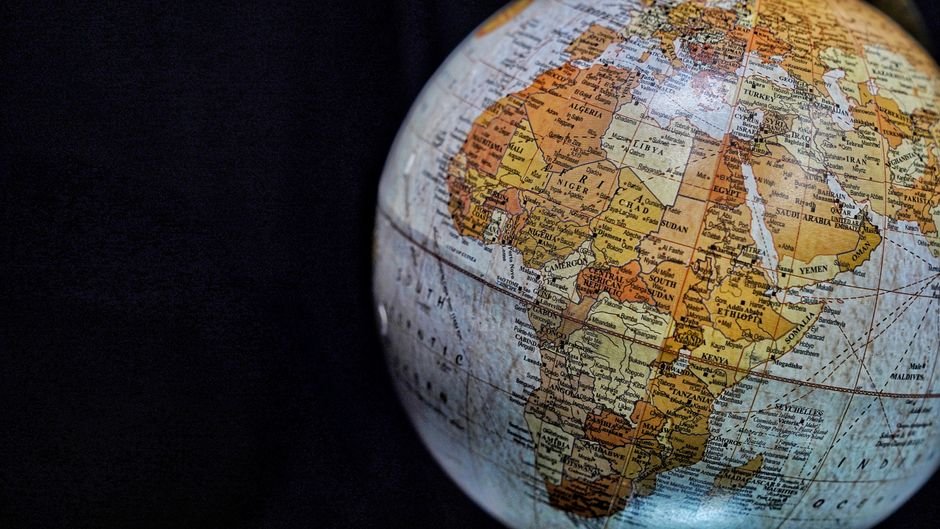
The Middle East is a geopolitical chessboard where America often finds itself cornered, and Iran is the master manipulator pulling the strings. How did we reach a point where Iran can hold America hostage, irrespective of the peace or war scenario? The implications of this precarious situation are staggering.
According to The New Yorker, Iran’s influence is such that it can dictate terms to the United States whether in times of conflict or relative calm. The article posits that this power dynamic has evolved from years of strategic maneuvers, both overt and covert, by Iran, which continues to exploit America’s vulnerabilities.
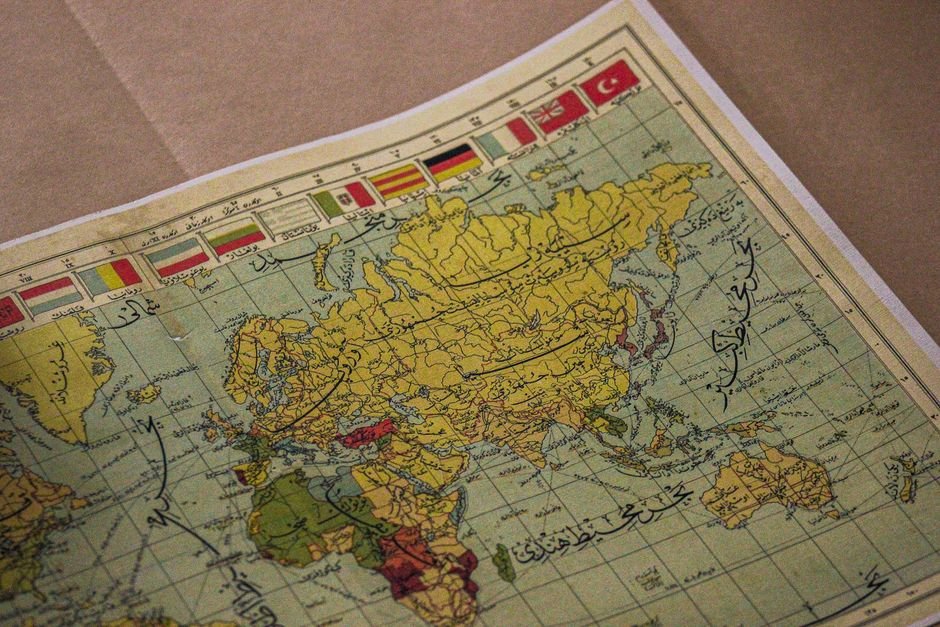
Context: The Middle East Power Play
This moment didn’t happen overnight. For decades, the Middle East has been a battleground for ideology, power, and dominance. Iran’s Islamic Revolution in 1979 set off a chain reaction, establishing a theocratic regime intent on exporting its revolutionary ideals. The U.S., in its attempts to assert control and influence in the region, has often engaged in counterproductive measures, from sanctions to outright military interventions. Each action seemed to strengthen Iran’s resolve and expand its influence over proxy groups scattered across Lebanon, Syria, Iraq, and Yemen.
Currently, the Biden administration grapples with the fallout from previous administrations’ foreign policies that oscillated between appeasement and aggression. As Iran builds its nuclear capabilities and continues to support regional militias, the U.S. finds itself in a weakened bargaining position. The ramifications of this imbalance extend beyond the Middle East, reverberating across global politics and security.
Hot Take: Who Wins, Who Loses in the Middle East?
The stakes couldn’t be higher. The Middle East is more than a hotbed of conflict; it’s a pivotal arena where global powers vie for control. If Iran can hold America hostage, it is not just a tactical win for Tehran but a catastrophic loss for American foreign policy. The U.S. risks being seen as a paper tiger, its credibility eroded as adversaries and allies alike gauge the limits of its response.
However, let’s not sugarcoat the potential fallout of a military confrontation. Should the U.S. choose to escalate tensions, it stands to lose more than just soldiers and treasure. We could witness a regional conflagration, with oil prices skyrocketing and global markets spiraling into chaos. On the other hand, if America opts for diplomacy, it may create an illusion of weakness, emboldening Iran further.
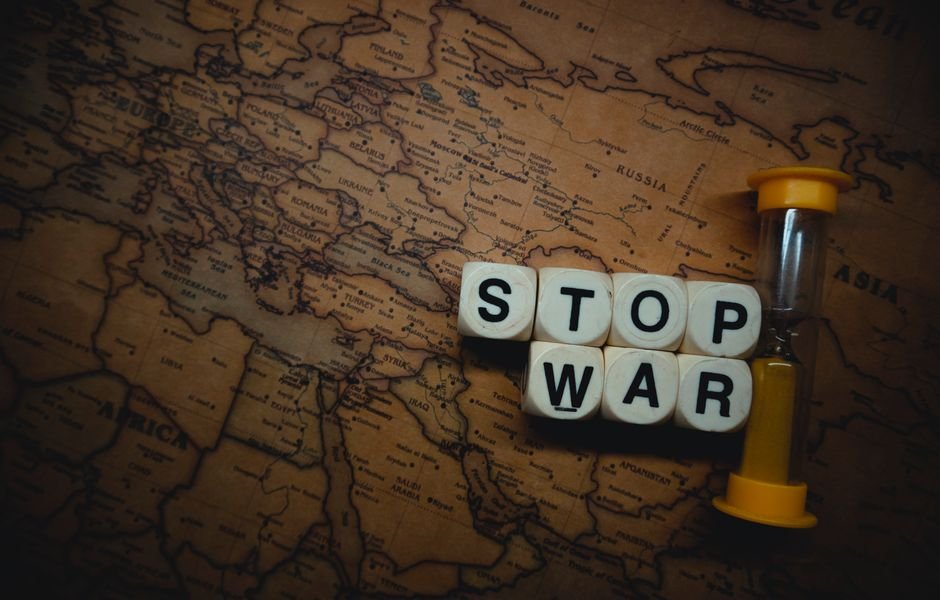
American media often glosses over the nuanced realities of the Middle East. The conventional wisdom frames Iran simply as a villain, yet that fails to capture the complexities at play. Iran leverages America’s own missteps against it, transforming perceived weakness into bargaining power. The mainstream narrative misses this nuance, oversimplifying a geopolitical chess match into a morality play.
While critics may argue for a hardline approach, one must recognize that navigating this complex landscape requires a deft hand. The U.S. cannot afford to ignore the realities on the ground; instead, it must recalibrate its strategies to deal with a savvy Iran that thrives in the shadows.
Ultimately, the question remains: can America outthink Iran in this dangerous game where peace and war are just two sides of the same coin? The Middle East will continue to be a theater of power struggles, and unless the U.S. adjusts its approach, it risks becoming a sidelined player in a game it once dominated. The time for bold, intelligent engagement is now; otherwise, America may find itself perpetually held hostage in its own strategic miscalculations.
Source: Google — Middle East