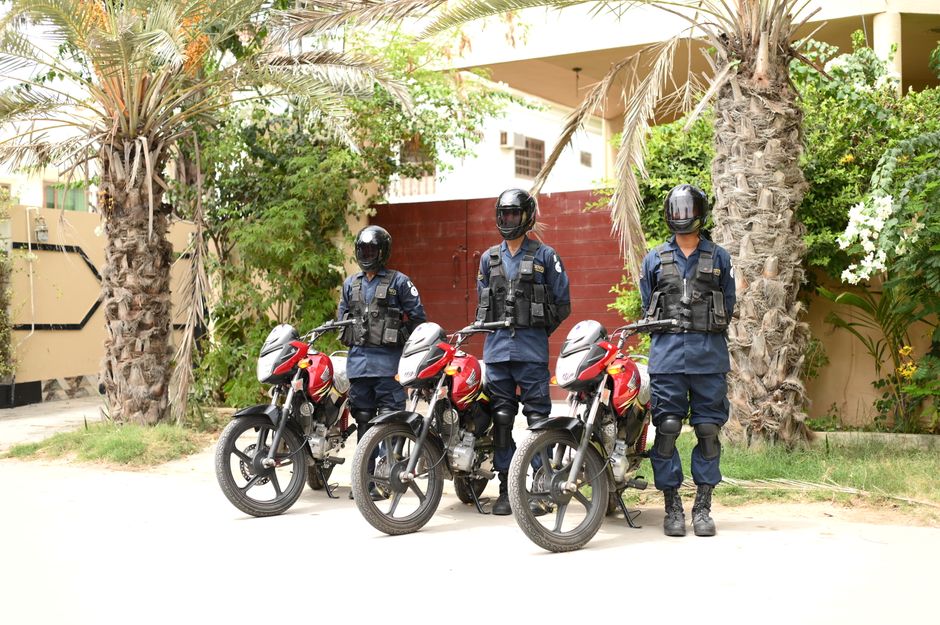
Another day, another grim reminder that in South Asia, political ambition often comes wrapped in the grim reality of compromised **security**. This isn’t just about one incident; it’s a chilling symptom of a deeper malaise, where the line between political maneuvering and outright violence blurs with alarming frequency. When figures of state are targeted, it sends a clear message about the fragility of order.
According to Dawn, a security guard was tragically killed in an attack on the convoy of former Azad Jammu and Kashmir (AJK) Prime Minister Tanveer Ilyas in the Poonch district. Such an event, targeting a high-profile political figure, immediately raises questions about the stability of an already volatile region.
The Shifting Sands of Political Security in AJK
This attack didn’t happen in a vacuum. AJK, a region perpetually caught in the crosshairs of geopolitical rivalry, is a crucible of internal political intrigue. Tanveer Ilyas himself is no stranger to the turbulent currents of AJK politics, having served as its Prime Minister before his disqualification earlier this year. His political career has been marked by both rapid ascent and swift downturns, a narrative common in a territory where power dynamics are acutely sensitive.
The incident in Poonch, a district bordering the Line of Control, adds another layer of complexity. This isn’t just a local spat; it carries broader implications for regional stability. Any destabilization in AJK directly impacts the national security calculus for Pakistan, especially given the ongoing tensions with India over the broader Kashmir issue. The very act of targeting a former head of government signifies a dangerous escalation, pointing to a severe breakdown in law and order, or perhaps, a deliberate attempt to sow chaos.
Moreover, the political landscape in Pakistan itself is currently fraught. With a new government finding its footing and the opposition constantly regrouping, every act of violence, especially one involving a prominent leader, becomes a potential leverage point. This attack will undoubtedly fuel intense political debate and accusations in the coming week, particularly as political parties gear up for future electoral battles in the region. The security of public figures, therefore, is not merely a personal concern but a barometer of the state’s capacity to govern.
Who Profits from the Chaos?
Let’s be blunt: someone always gains from chaos, and someone always loses. In this instance, the immediate loser is the slain security guard, a life tragically sacrificed on the altar of political discord. Former PM Ilyas, while physically unharmed, suffers a direct blow to his personal security and public image, though such incidents can also galvanize support through a victim narrative. The state, however, is the biggest loser, its inability to protect its own leaders undermining public trust and projecting an image of weakness.

The mainstream narrative often focuses on the immediate “who” and “how,” but the more critical question is “why now?” Is this an internal power struggle within AJK’s political elite, a message sent by rival factions looking to assert dominance? Or does it hint at external elements seeking to destabilize the region further, exploiting existing fault lines? The timing, ahead of potential political realignments and as Monday’s political discussions loom, suggests a calculated move designed to send a potent message and shift the political momentum.
Critics will point to the repeated failures of intelligence and law enforcement to prevent such high-profile attacks. If a former Prime Minister’s convoy isn’t safe, what hope is there for the average citizen? This incident will undoubtedly be weaponized in political rallies and parliamentary debates, with opposition parties highlighting the government’s perceived failures in maintaining peace and order. On the other hand, the ruling party might leverage it to crack down on perceived dissidents or enhance its own **security** protocols, potentially at the cost of civil liberties. The real danger here is not just the physical violence, but the subsequent erosion of democratic processes and the normalization of political intimidation.
The implications for the week ahead are stark. Expect heated rhetoric from all sides, calls for investigations that may or may not yield transparent results, and an intensification of political maneuvering in AJK. This event will shape the political agenda, forcing discussions about the state of **security** for politicians and the general populace alike. The incident casts a long, dark shadow over the region, reminding everyone that political games in AJK come with deadly stakes. The bullet that killed a security guard in Poonch echoes far beyond the valleys of AJK; it’s a chilling prophecy for Pakistan’s perpetually volatile political landscape.
Source: Google — Pakistan incidents