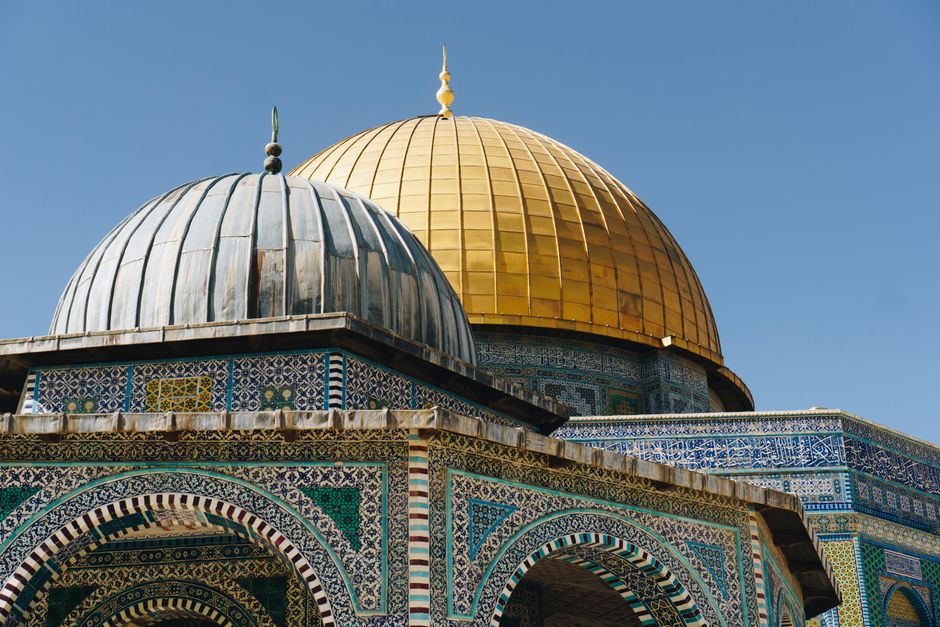
Jerusalem conflict frames the debate here: The delicate balance of power at Jerusalem’s holiest site is on the brink of collapse, as Israeli nationalists continue to disregard the long-standing convention governing the shared use of the al-Aqsa mosque compound, a development that threatens to destabilize the entire region and undermine the already fragile relationship between Israel and its neighbors. According to BBC Middle East, these actions are part of a broader trend that has seen an increase in tensions between Israeli authorities and Palestinian worshippers. Meanwhile, the international community watches with bated breath, wondering how Israel will navigate this sensitive issue.
Context of the Conflict
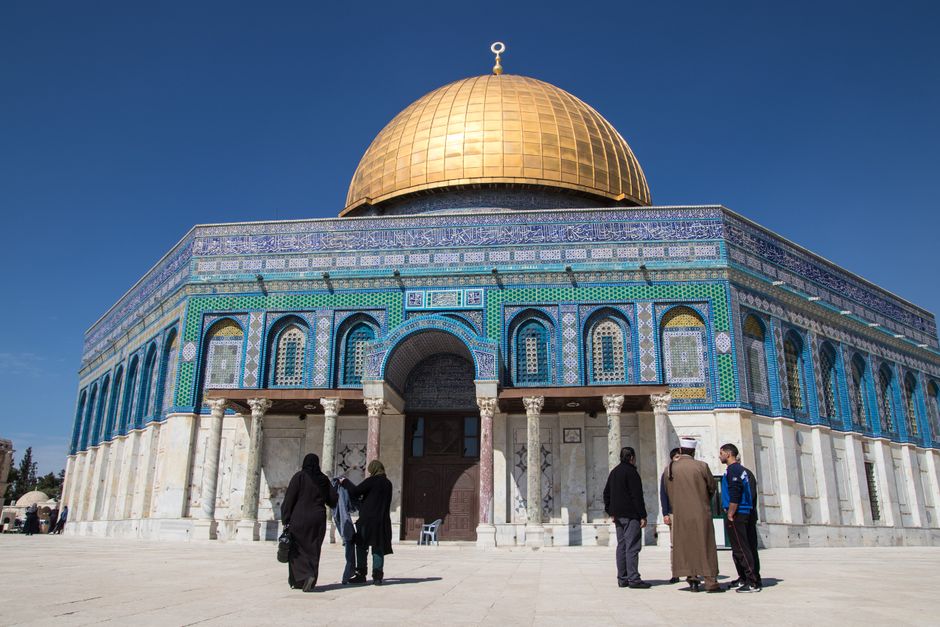
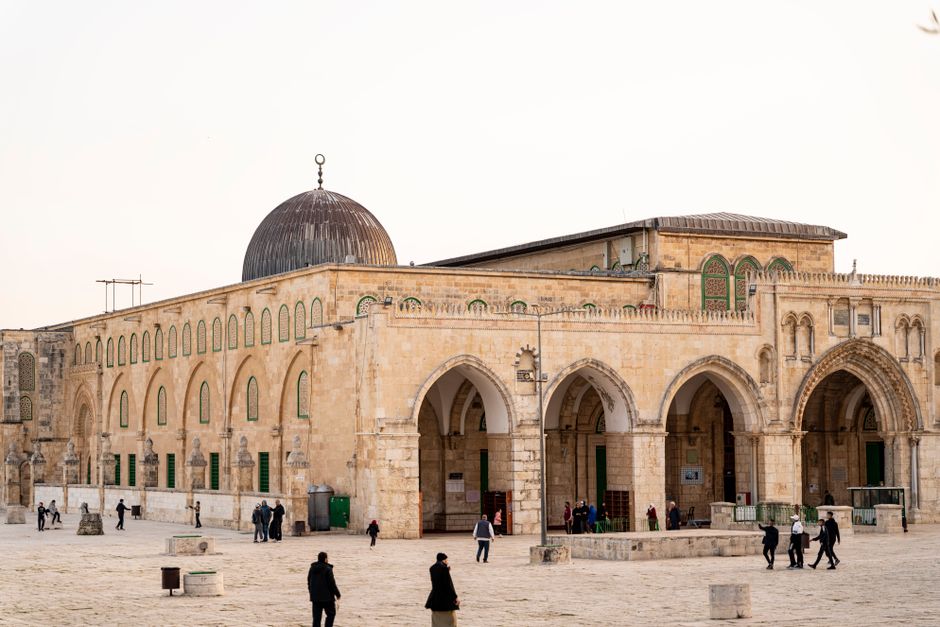
The al-Aqsa mosque compound, also known as the Temple Mount, is a site of immense religious significance for both Muslims and Jews, and the convention that has governed its use for decades is designed to maintain a fragile peace between the two faiths. However, as Israeli nationalists flout these rules, the risk of conflict escalates, and the potential consequences for Israel and the wider region are dire. In fact, the situation is so volatile that even small incidents have the potential to spark widespread violence, making it essential for Israel to tread carefully.
As the situation continues to deteriorate, it is becoming increasingly clear that Israel faces a difficult choice: to continue down a path that prioritizes the interests of its nationalist community, or to seek a more inclusive and equitable solution that respects the rights of all faiths. According to Reuters, Palestinian leaders have long argued that Israel is not doing enough to protect the rights of Muslim worshippers, and that the current situation is a recipe for disaster. On the other hand, Israeli authorities claim that they are committed to maintaining the status quo, but their actions suggest otherwise.
The Role of Israel in the Crisis
Israel’s role in the crisis is complex and multifaceted, and it is difficult to overstate the significance of the country’s actions in determining the outcome of this situation. As the party with the most control over the al-Aqsa mosque compound, Israel has a responsibility to ensure that the rights of all faiths are respected, and that the convention governing the site’s use is upheld. However, the increasing influence of nationalist groups within Israel is making it more difficult for the country to fulfill this responsibility, and the consequences of inaction could be severe. In fact, if Israel fails to address this issue, it risks undermining its own long-term security and stability.
Implications for the Future
The implications of the current situation are far-reaching, and have the potential to impact not just Israel, but the entire region. As tensions continue to rise, the risk of conflict escalates, and the potential consequences for Israel and its neighbors are dire. In fact, the situation is so volatile that even small incidents have the potential to spark widespread violence, making it essential for Israel to tread carefully. Meanwhile, the international community watches with bated breath, wondering how Israel will navigate this sensitive issue, and what the ultimate outcome will be. One thing is certain, however: the status quo at Jerusalem’s holiest site is under threat, and Israel’s actions will determine the course of history.
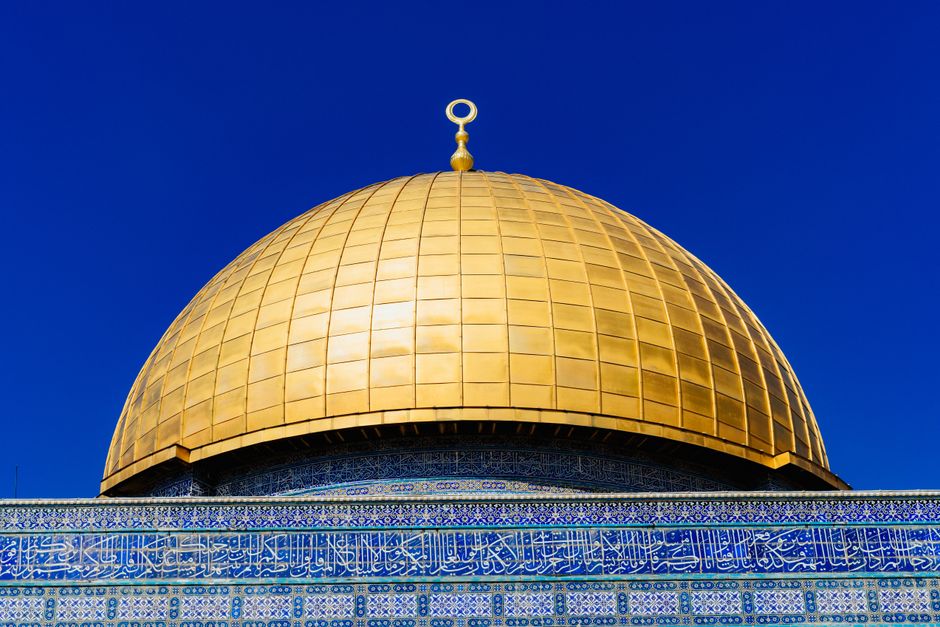
That tension around Jerusalem conflict is not going away.
Source: BBC Middle East