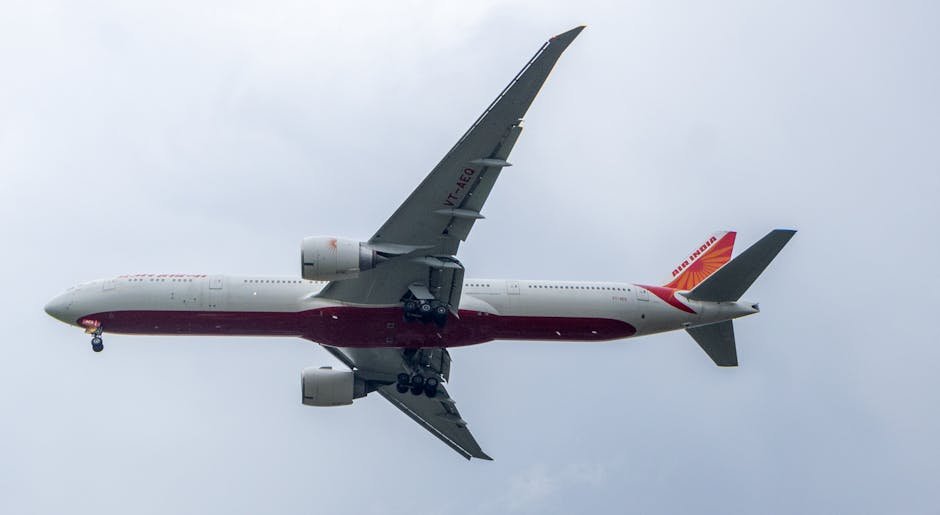
Aviation safety frames the debate here: In the cutthroat world of aviation, where lives hinge on the flick of a switch, the stakes have never been higher. How much trust can we place in the giants of the industry when the safety of passengers is at the mercy of corporate decisions?
Why aviation safety matters now
According to Reuters, India has decided to monitor Boeing’s fuel-switch test, which has drawn attention due to a recent incident involving Air India flights to London. This move comes in the wake of serious questions about the reliability and safety of Boeing’s technology, especially after reports surfaced indicating potential failure risks that could lead to catastrophic results.
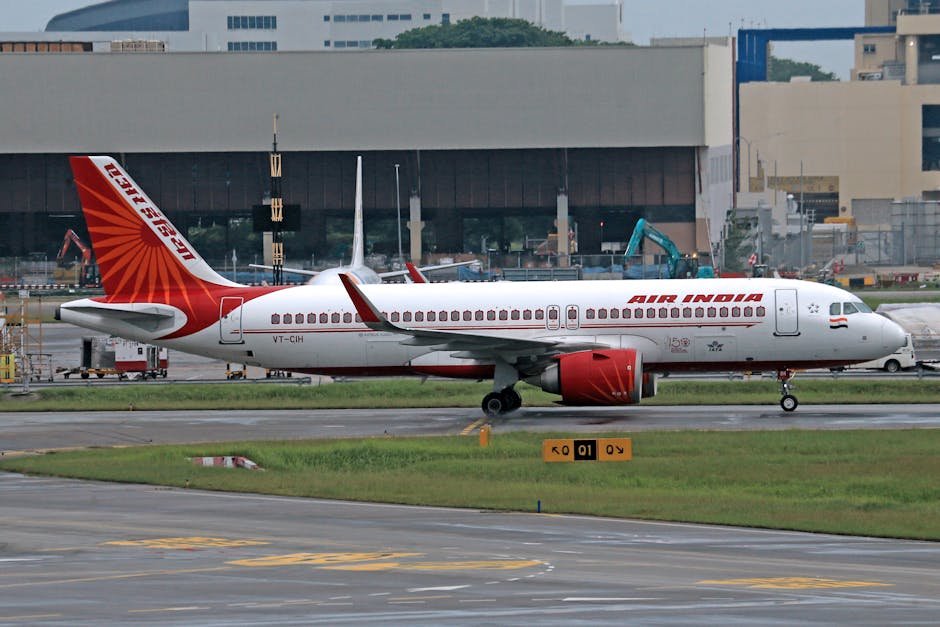
This situation is not merely a technical issue; it’s a flashing red light warning about how deeply intertwined corporate interest and public safety can become. Air India’s recent troubles, including near-disasters that put hundreds at risk, have forced regulators to take a closer look at the very systems that keep our aircraft in the skies. The implications are enormous. Boeing, a titan in aviation, is under the microscope, facing scrutiny from a nation that has one of the fastest-growing aviation markets in the world.
The stakes around aviation safety
What does this mean for Boeing? The company now faces not only regulatory examination but also a potential crisis of confidence among consumers and airlines that rely on its products. Boeing’s past has been shadowed by scandals and mishaps, such as the 737 MAX tragedies, which led to a severe loss of trust. And now, with the India incident, they risk spiraling into another public relations nightmare if they don’t handle this scrutinization adeptly.
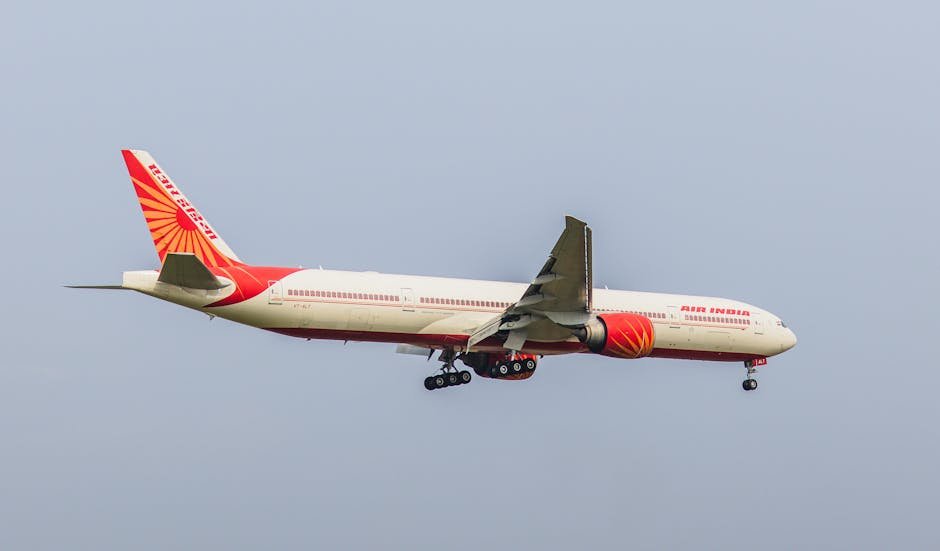
India’s decision to keep tabs on Boeing’s fuel-switch tests can be seen as both a necessary precaution and a bold stand against corporate complacency. It reveals a broader shift in the regulatory landscape, where national authorities are increasingly unwilling to simply trust industry players to self-regulate. For too long, the aviation sector has enjoyed a preferential treatment that didn’t always align with accountability. Now, as we witness rising air travel demand in India, the need for stringent safety measures is more pressing than ever.
However, let’s not overlook the potential ramifications for Air India. If Boeing stumbles during these tests, the fallout could shift from corporate boardrooms to the aviation firm itself. Should public confidence wobble, Air India stands to lose passengers who may think twice before stepping onto a plane that could be linked to systemic issues with its manufacturer. The airline’s recovery efforts post-pandemic could be obliterated by a scandal that isn’t even their making.
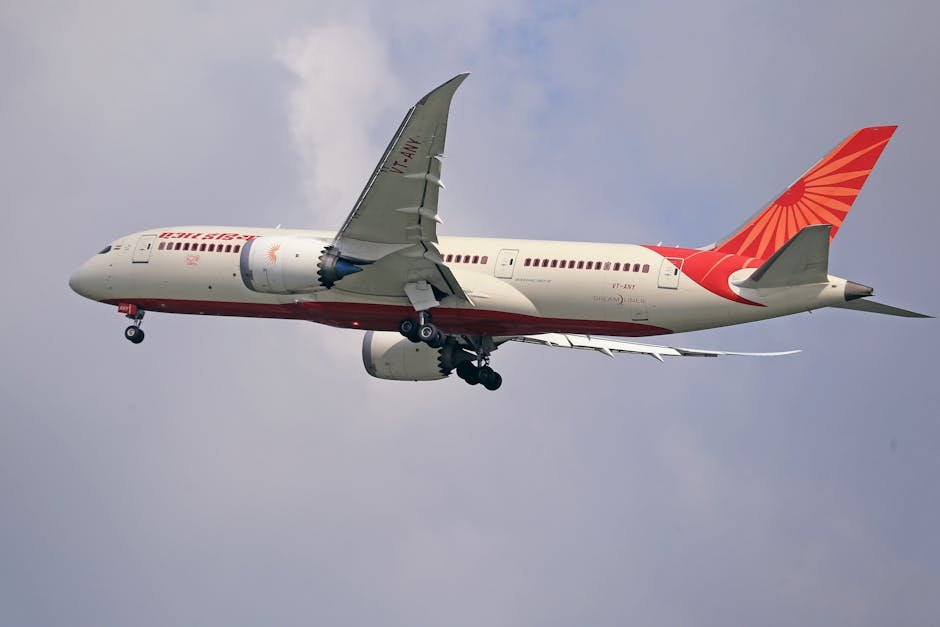
Moreover, it’s essential to question whether this increased oversight will lead to significant change within the industry or if it’s merely a band-aid on a larger problem. Are regulators and companies actually prepared to address the fundamental issues that have plagued aviation safety? Or are we witnessing another case of box-checking exercises that will inevitably lead to the same results?
In a world where air travel is touted as one of the safest modes of transportation, any lapse in safety measures can have dire consequences. Boeing needs to understand that compliance isn’t enough; they must also build a culture of genuine accountability and transparency. The public demands it; the circumstances dictate it.
As we await the results of Boeing’s fuel-switch tests, one thing is clear: the aviation industry can no longer afford to operate under the old playbook. The future of flying depends on it. What happens next could either restore faith in one of the world’s most critical industries or ignite further distrust that may take years to mend. Are we prepared to hold them accountable? The answer might just determine our safety in the skies.
Source: Google — South Asia