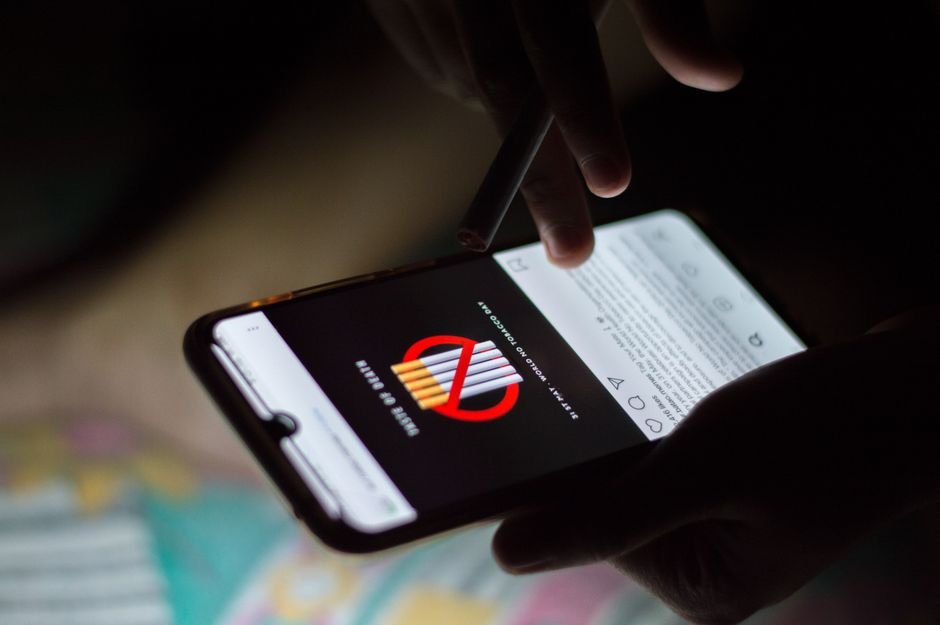
Social media frames the debate here: Social media is the digital equivalent of nicotine, and let’s not kid ourselves—it’s just as addictive and harmful for the under-16 crowd. The recent warning from the head of the Molly Rose Foundation that a ban on social media for this age group would be “unenforceable” raises serious questions about what we’re doing to protect our children from these insidious platforms. According to the BBC, the charity emphasizes that rather than outright bans, we should be focusing on eliminating the addictive features that keep kids hooked.
The Social Media Dilemma
This debate isn’t new, but it has gained momentum as concerns over mental health skyrocket among the youth. Studies show staggering rates of anxiety and depression linked to social media use. The Molly Rose Foundation’s stance points to a critical and often overlooked nuance: it’s not just the platforms themselves, but the algorithms and features designed to keep users scrolling endlessly that need to be curtailed. With the landscape of social media dominated by a handful of tech giants, the question now is whether we can hold them accountable for the damage they inflict on young minds.

The narrative has shifted dramatically over recent years. Once hailed as the future of communication, social media is now increasingly viewed as a double-edged sword. While it offers connectivity, it also brings a host of mental health challenges. Governments have been slow to react, but calls for regulation are becoming louder. The UK’s potential move to implement social media bans for under-16s indicates a growing recognition of these issues, yet it begs the question: would a ban truly protect our youth, or simply push the problem underground?
The Real Stakes Behind Social Media Bans
Let’s break it down. Banning social media for under-16s sounds appealing, but it’s practically impossible to enforce. Kids are resourceful, and those who want access will find ways around such restrictions. Rather than a futile exercise in control, we should be focusing on educating both parents and children about responsible social media use. Banning features that create addiction—like infinite scrolling and autoplay videos—could be a far more effective way to reduce the negative impact of social media.

In this fight, tech companies hold the real power. They thrive on engagement metrics and profit margins, often at the expense of their young users’ mental health. A ban on social media for under-16s might serve as a quick fix, but it doesn’t address the root causes of the issue. The mainstream narrative is dangerously oversimplified, as policymakers must grapple with a more complicated reality: tackling social media addiction means going after the very structures that fuel these platforms.
The stakes are high, and if we continue to ignore the problem, we might end up with an entire generation that is more isolated and depressed due to unregulated access to these platforms. The approach taken by the Molly Rose Foundation is both sensible and necessary; we cannot allow the conversation to stagnate in simplistic solutions that overlook the complexity of addiction.

As we navigate this challenging terrain, we face an uncomfortable truth: tech companies are unlikely to change their ways unless we apply pressure. It’s imperative that we demand accountability and transparency in how social media platforms operate. Only then can we hope to create a safer environment for our children, one that doesn’t rely on unenforceable bans, but instead fosters awareness and responsible use.
The conversation about social media is far from over, and as parents, educators, and policymakers, we must ask ourselves: how do we balance the benefits of connectivity with the dangers of addiction? In a world where social media is here to stay, finding that balance may well be one of the most pressing challenges of our time.
Source: BBC UK