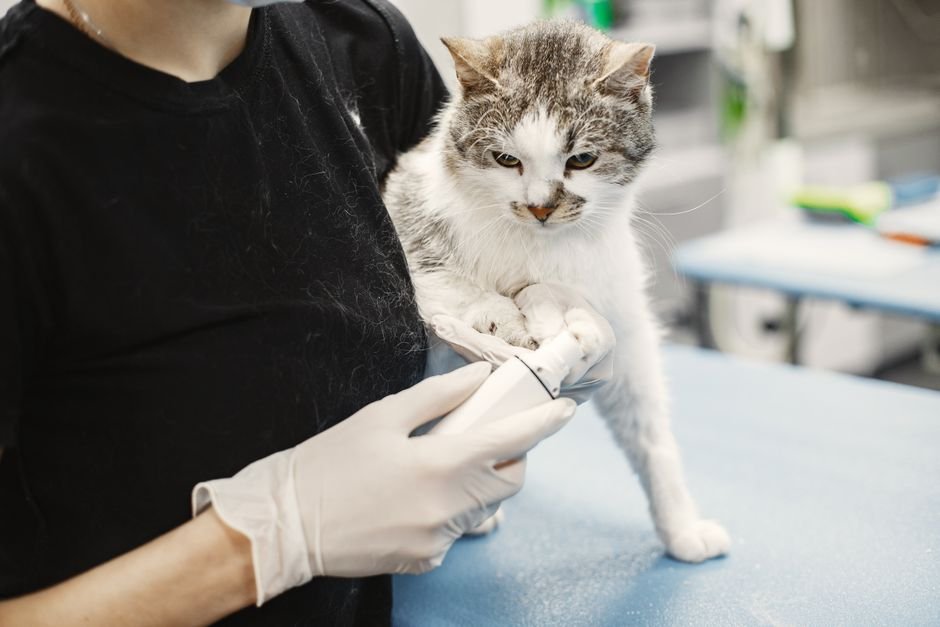
Is it time to rethink how we treat our pets in the United Kingdom? The latest call from veterinary experts to ban over-the-counter flea treatments is sparking a debate that goes beyond just our furry friends—it challenges our entire approach to pet care.
According to the BBC, veterinary professionals are recommending that the United Kingdom should no longer allow pet owners to purchase flea treatments over the counter. Historically, owners have been told to administer these treatments monthly as a preventative measure, but now experts argue that this practice could be harmful to both pets and the environment.

The Context of Flea Treatment in the United Kingdom
Why the sudden shift in advice? The traditional mindset has been that regular flea treatment is essential for maintaining a pet’s health and comfort. However, rising concerns over the efficacy and safety of these treatments are leading to new thinking. Critics of the current model argue that over-the-counter products can lead to misuse and resistance in flea populations. Moreover, the environmental impact of these chemicals is becoming harder to ignore. The United Kingdom, already grappling with various ecological crises, cannot afford to turn a blind eye to the potential damage caused by these treatments.
This is about more than just fleas; it touches on the broader issue of how society views pet ownership and responsibility. With so many pets abandoned or neglected due to financial strains, is it fair to expect every owner to correctly administer potentially hazardous treatments? This recommendation may pave the way for a system that prioritizes pet welfare over convenience, possibly even leading to more dog and cat owners seeking professional veterinary advice.
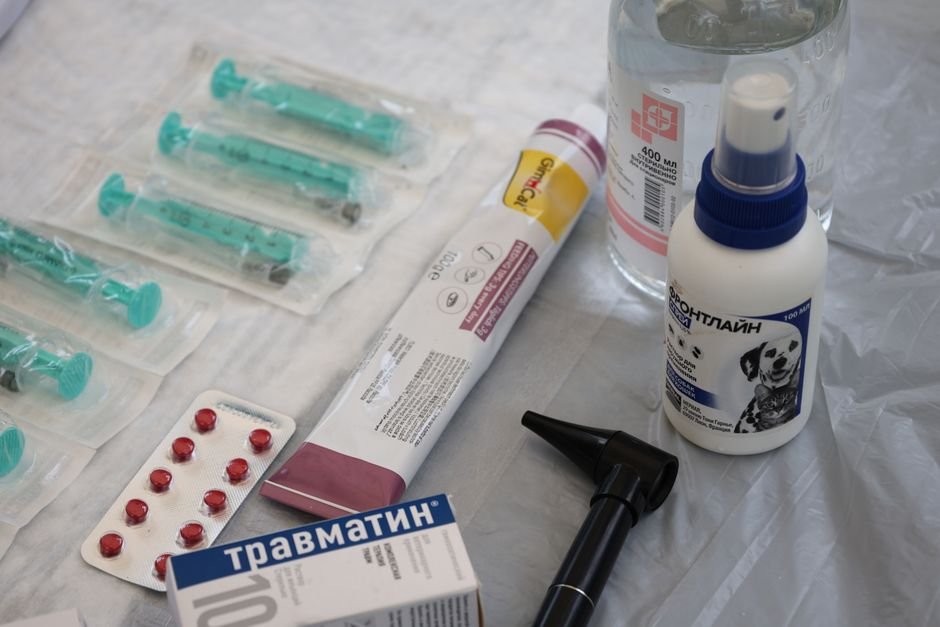
The Stakes of Pet Care in the United Kingdom
Let’s be clear: banning over-the-counter flea treatments could fundamentally change pet care in the United Kingdom. On one hand, it would elevate the role of veterinarians, ensuring that only trained professionals are recommending and administering treatments. This could lead to healthier pets and slower resistance development among fleas. However, it also risks alienating pet owners who might find veterinary care cost-prohibitive or logistically difficult to access.
In a country where pet ownership is a cherished norm, yet pet care can be an economic burden, this recommendation could further alienate the very demographic it aims to protect. Vulnerable pet owners might resort to purchasing treatments illegally or become hesitant to seek medical help for their animals. It’s a precarious balance between ensuring animal health and making it accessible for all pet owners.
Moreover, what happens if this recommendation doesn’t gain traction and remains just another piece of advisory fluff? The message to the pet-owning public might be muddied, and the status quo—regular flea treatments without question—could persist, allowing our pets to suffer from preventable ailments and prolonging the cycle of negligence.
The mainstream discussion surrounding pet care in the United Kingdom is often shallow, focusing on cute social media posts rather than the serious decisions that come with pet ownership. This recommendation could be a wake-up call for all of us, urging us to engage more critically with how we care for those who depend on us.
The implications of this advice will resonate in the communities that love their pets dearly. If the United Kingdom truly wants to lead the way in responsible pet ownership, a ban on over-the-counter flea treatments should be just the beginning. It raises essential questions about education, access, and the very fabric of pet care culture.
As we move forward, we must ask ourselves: Will the United Kingdom take the necessary steps to ensure pets receive the best care possible, or will it cling to outdated, potentially harmful practices wrapped in the guise of convenience? The future of our pets—and how we care for them—hangs in the balance.
Source: BBC UK