
Xi Jinping’s recent visit to North Korea begs a crucial question: What does this mean for the geopolitical landscape of East Asia? After a seven-year hiatus, the Chinese President received a vibrant welcome in Pyongyang, as reported by the BBC. This spectacle isn’t just a friendly visit; it’s a signal that ripples across the already tumultuous waters of East Asia.
Xi’s Return and the Current Climate in East Asia
For years, North Korea has been a curious outlier in East Asia, balancing its rogue status with fleeting moments of diplomacy. Xi’s visit comes during a time when both nations are feeling the strain of international relations, particularly with the U.S. and its allies tightening the noose around their respective necks. The last time Xi set foot in North Korea was back in 2019, a time when the world was still willing to entertain the idea of denuclearization talks. Now, with tensions escalating in the region, Xi is reasserting China’s influence and signaling to the West that he hasn’t forgotten his neighbor.
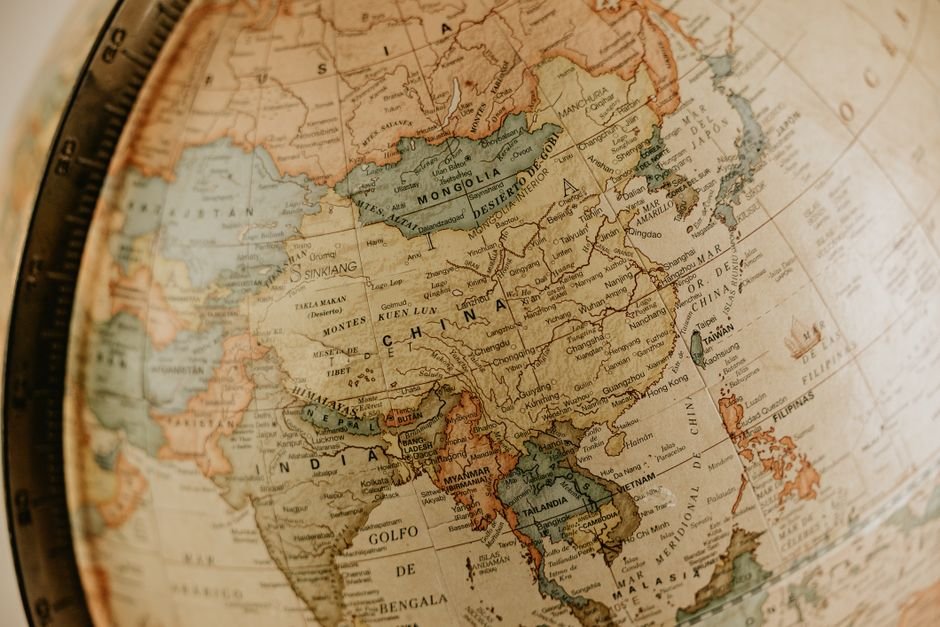
This visit is significant for several reasons. First, it showcases the solidifying alliance between China and North Korea, which has become more crucial than ever as both countries face economic challenges and international isolation. Second, it raises eyebrows about China’s strategic intentions in East Asia, as the region is too important economically and politically to be left to the whims of the West.
What Does This Mean for East Asia?
While the mainstream narrative often frames Xi’s visit as a mere diplomatic gesture, the implications are far more profound. This relationship isn’t just about aesthetics; it’s about power dynamics. Xi wins by reinforcing his leadership position in East Asia, making it clear that China remains a critical player in negotiating North Korea’s future. Meanwhile, for Kim Jong-un, welcoming a leader like Xi offers a veneer of legitimacy and strength, especially as he faces challenges from the U.S. and South Korea.

However, this isn’t a win-win situation. The more Xi leans into his relationship with North Korea, the more he risks alienating other nations in the region, particularly Japan and South Korea. Both of these countries have been wary of North Korea’s nuclear ambitions and might see Xi’s visit as a direct threat. Additionally, there’s the elephant in the room: what happens if North Korea decides to act provocatively during or after this visit? The stakes are high, and if Kim miscalculates, both countries may find themselves in a precarious position.
In a broader sense, this visit underscores a fundamental truth about East Asia: alliances are fickle and can change with the tides. While Xi and Kim are currently in a tight embrace, historical animosities and ambitions could easily reignite. The world needs to keep a close eye on this evolving relationship, as it could very well shape the future of security in East Asia.

As we watch these developments unfold, one must wonder: How long can this partnership between Xi and Kim endure against the backdrop of external pressures? The East Asia landscape is waiting for its next curveball, and only time will tell who will be left standing.
Source: BBC Asia