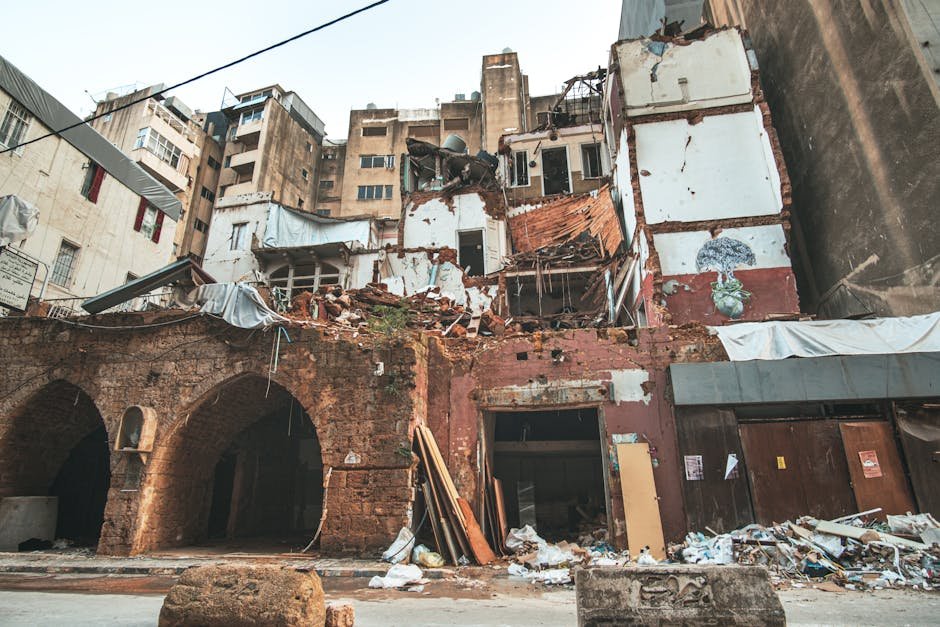
The specter of war looms larger as Israel’s military maneuvers threaten to reshape southern Lebanon permanently. As Israeli troops advance and locals are displaced from their homes under evacuation orders, the haunting question arises: Will this be just another chapter in a long history of conflict, or are we witnessing a new, dangerous phase in the Israeli-Lebanese saga?
According to DW News, residents of southern Lebanese towns now live in fear that the Israeli forces not only intend to occupy their homes but may also expand their invasion further into Lebanese territory. The current military actions have prompted widespread evacuations, leaving communities uprooted and uncertain about their future.
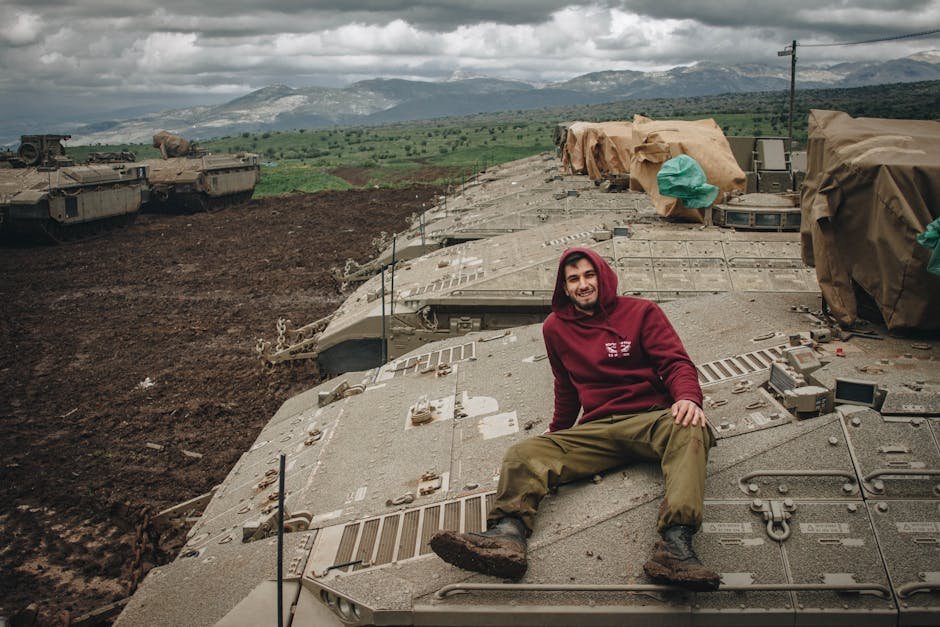
War’s Relentless Grip on the Region
The situation in southern Lebanon is a flashpoint, driven by a complex blend of historical animosities and geopolitical interests. Israel has long viewed Hezbollah’s presence in southern Lebanon as a direct threat, leading to repeated military operations aimed at neutralizing that perceived danger. With tensions in the Middle East reaching a boiling point, this latest escalation could signal a turning tide, reshaping borders and lives in ways we can only begin to imagine.
The urgency of this situation cannot be overstated. Israeli military operations are not new, but the fear of permanent occupation is. As Israeli troops push deeper into Lebanon, the ramifications will extend beyond just military outcomes — they threaten to redefine life in southern Lebanon for generations. The stakes are high, with local communities caught in the crossfire of a conflict that seems never-ending.
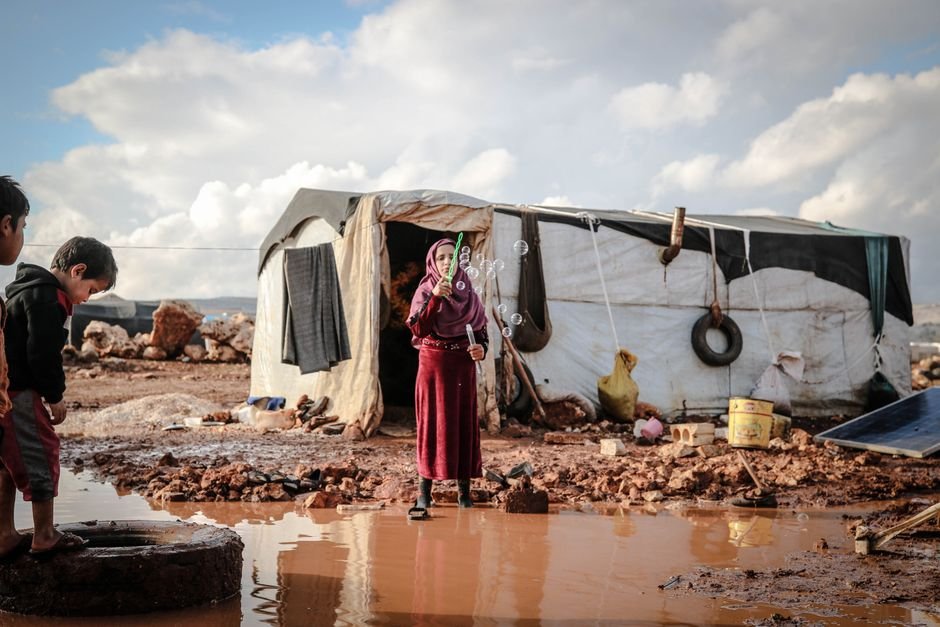
The High Cost of War: Who Wins, Who Loses?
Israel may see tactical advantages in expanding its presence, but at what cost? The immediate beneficiaries of this war will be hardline factions on both sides who thrive on chaos. On the other hand, the true victims will be the innocent civilians, displaced and living in fear. The mainstream narrative often overlooks the human element in warfare, instead focusing on strategic advantages and military successes — a myopic view that misses the tapestry of lives affected.
Furthermore, this latest maneuver could backfire. If Israel solidifies its occupation in southern Lebanon, it risks igniting a backlash not only from Hezbollah but potentially from other regional players who could see the occupation as a catalyst for broader conflict. The last thing the world needs is an escalation that draws in more countries, creating a perfect storm of instability.
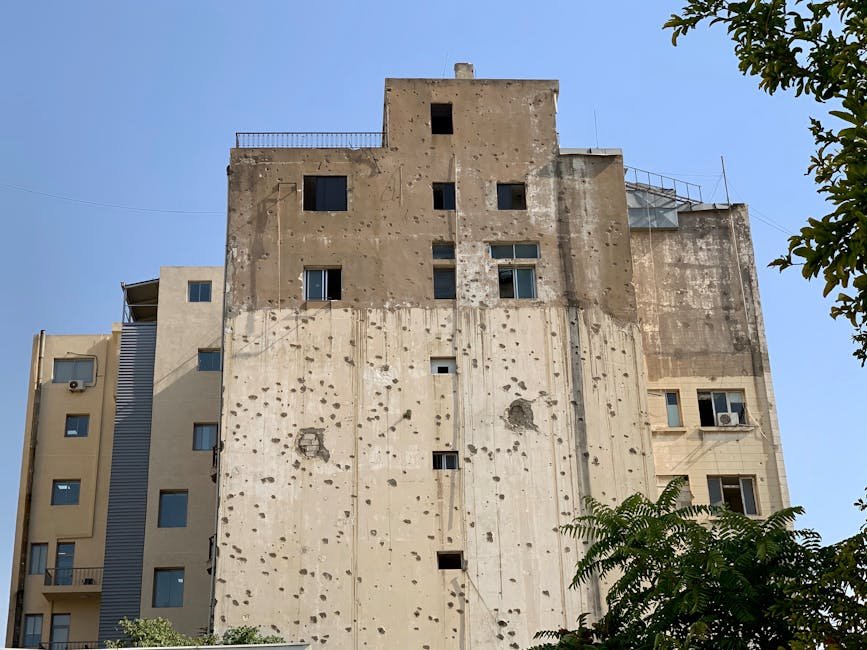
This isn’t just another skirmish; it’s a potential flashpoint with global consequences. As the war unfolds, we must ask: Will the international community sit idly by while more lives are destroyed in the name of security? The potential for a greater conflagration grows daily as the stakes are raised and the humanitarian costs are ignored.
The future of southern Lebanon hangs in a precarious balance, one that could tip into disaster at any moment. If history has taught us anything, it’s that once the cycle of war begins, it’s incredibly hard to stop. The real question remains: Can we chart a course toward peace, or are we doomed to repeat the mistakes of the past?
Source: DW News