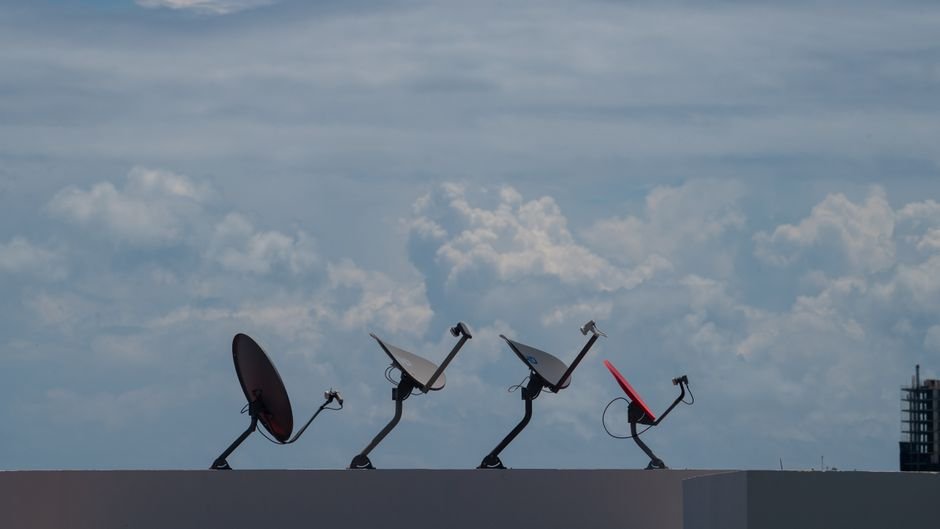
The dream of a satellite-powered internet revolution in South Asia is hitting a wall — and that wall bears the name “security.” Starlink’s ambitious plans for India are now entangled in a bureaucratic nightmare just as SpaceX is gearing up for an IPO. According to Bloomberg, regulatory hurdles have emerged that threaten to derail the deployment of this much-anticipated service in one of the world’s largest markets.
The Security Dilemma in South Asia
What’s at play here? The Indian government has raised red flags over national security, creating obstacles for Starlink’s entry into the market. This is not just about internet access; it’s about geopolitical calculations and the nervousness that comes with them. With ongoing tensions in the region, especially concerning data sovereignty and surveillance, it’s no wonder that the government is cautious about letting in a foreign company that could be seen as a potential security risk.
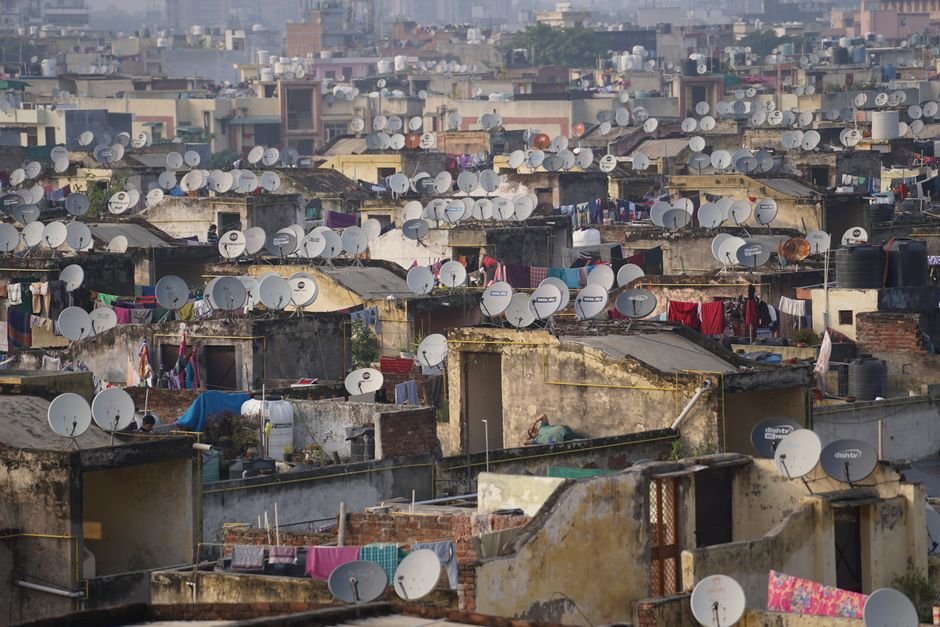
This decision bears significant weight, especially with the Indian telecom sector already steeped in controversies over data privacy and foreign influence. Starlink’s challenges are exacerbated by a landscape riddled with local players who are not only competitive but increasingly nationalism-driven. The stakes are high as SpaceX navigates these murky waters.
The Impact on SpaceX and South Asia
The potential for Starlink to transform internet access in South Asia cannot be understated. With vast swaths of rural areas lacking reliable connectivity, a service like Starlink could democratize information and education. However, the looming security concerns have cast a long shadow on this promise. Who stands to lose? It’s not just SpaceX; it’s millions of people who could benefit from high-speed internet access, and local startups that might find themselves stifled by the competitive advantages that a monopolistic Starlink could create if it’s allowed to flourish.
Conversely, the Indian government’s insistence on security oversight could reinforce its position against foreign tech dominance. This could embolden local companies but also risk worsening the already challenging climate for foreign investments. The mainstream narrative often overlooks how these dynamics play out economically and socially. By prioritizing security over accessibility, India could be sacrificing a golden opportunity for economic growth and technological advancement.
What could go wrong? The longer this impasse lasts, the greater the chance that other players will seize this moment to fill the gap. Alternatives to Starlink may emerge, or existing services could improve their offerings, making SpaceX’s entry harder. Moreover, as SpaceX prepares for its IPO, any setback in South Asia could signal to investors a lack of global adaptability — a red flag for a company whose valuation hinges on expansion.

In the grand scheme, this standoff illustrates the tension between innovation and regulation in today’s globalized world. The Indian government’s actions are reflective of a broader trend where national security is being wielded as a tool to protect local industries under the guise of caution.
As SpaceX faces this roadblock, we’re left to wonder: will the promise of satellite internet in South Asia turn into a cautionary tale about missed opportunities? Or can the parties find common ground to make progress? The question lingers, and with it, the future of connectivity for millions hangs in the balance.
Source: Google — South Asia