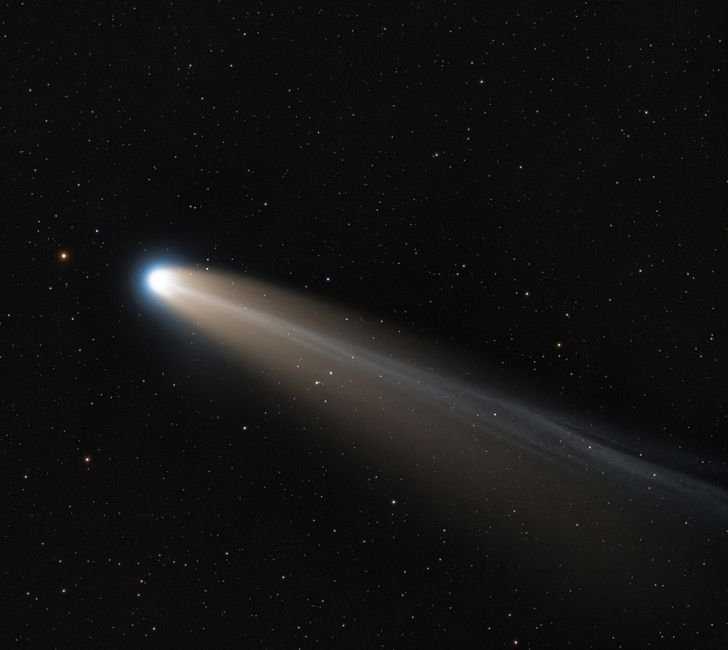
The universe is constantly throwing curveballs at us, but did we think we’d be discussing the science behind a comet farting its way through our solar system? Yes, you read that right. NASA’s James Webb Space Telescope has uncovered that 3I/ATLAS—a comet with a cheeky personality—left a trail of gas as it zipped by our celestial neighborhood.
According to Futurism, the James Webb discovered that 3I/ATLAS emitted a significant amount of gas during its recent pass through the solar system. This revelation isn’t just a quirky detail for astronomy enthusiasts; it shines a light on how these objects behave and what they can tell us about the cosmos.
The Science Behind Cometary Behavior
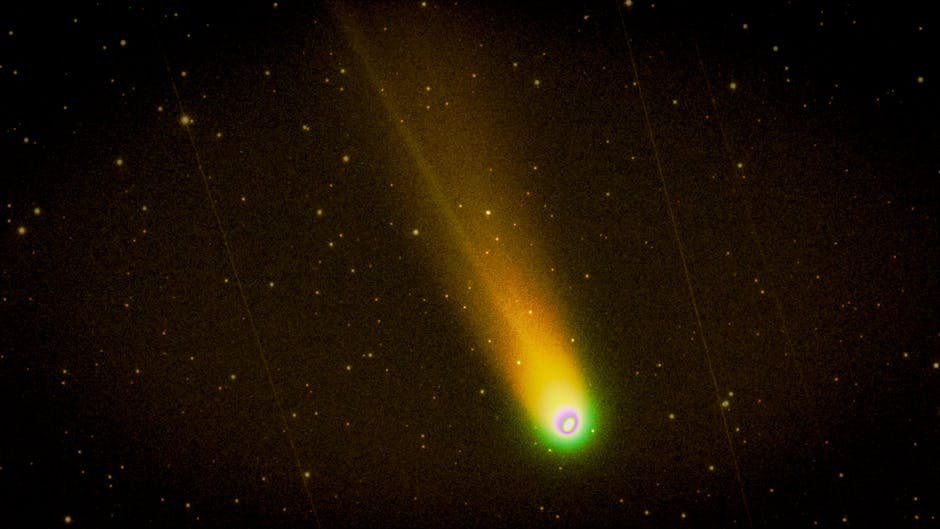
So why does this matter? For one, it opens up a fascinating chapter in the ongoing story of how celestial bodies interact with their environment. 3I/ATLAS is a visitor from the Oort Cloud—a region teeming with icy bodies and potential cometary mischief. As it approaches the sun, the heat causes these comets to release gas and dust—essentially “letting one rip.” This phenomenon isn’t just comedic; it’s a vital part of understanding the life cycle of comets and their role in the broader science of our solar system.
The implications stretch far beyond the giggles. By studying the gases emitted by 3I/ATLAS, scientists can glean insight into the comet’s composition and possibly even the early solar system’s conditions. This is a key piece of the cosmic puzzle, as it helps scientists figure out how these ancient bodies have evolved over billions of years.
Hot Take: A Cosmic Comedy or Serious Science?
Now, let’s address a critical point: what’s the mainstream narrative missing here? It’s easy to laugh off a comet that “let one rip,” but this is a golden opportunity for science to engage the public in a way that is both entertaining and educational. When we show the lighter side of science, people pay more attention.
However, there’s also a potential backlash. Cometary behavior, though fascinating, can easily be drowned out in the cacophony of political news and market fluctuations. As we kick off another week, it’s crucial to remember that science, with all its humor and complexity, is just as vital as the daily grind of politics and economics. The more we ignore these discoveries, the more we risk losing touch with the very fabric of our understanding of the universe.
In terms of winners and losers, the science community is undoubtedly poised to win. They now have a rich narrative to share that could ignite public interest in space exploration and research. Meanwhile, skeptics who dismiss these findings as mere cosmic oddities may find themselves on the losing side of the educational divide.
In conclusion, while a comet’s gaseous expulsion might seem like childish humor, it’s a poignant reminder of how little we truly understand about the universe. What other surprises lurk in the cosmos, waiting to be discovered? As we embrace the intersection of science and humor, let’s hope that more people find joy in these discoveries, no matter how absurd they may seem. After all, the universe has a sense of humor; the least we can do is engage with it.
Source: Google — Space & Science