
When will the economic pain stop for South Asia? As the region grapples with inflationary pressure, corporations are resorting to drastic measures—hiking prices and shrinking product sizes. This isn’t just a minor adjustment; it’s a clear signal that the war in Iran is squeezing margins and pushing businesses to the edge.
According to Reuters, Indian companies are responding to these pressures by increasing prices and downsizing their products, a strategy that not only impacts profits but directly affects consumers’ wallets. This shift reflects a worrying trend that could have ripple effects throughout the South Asian economy.
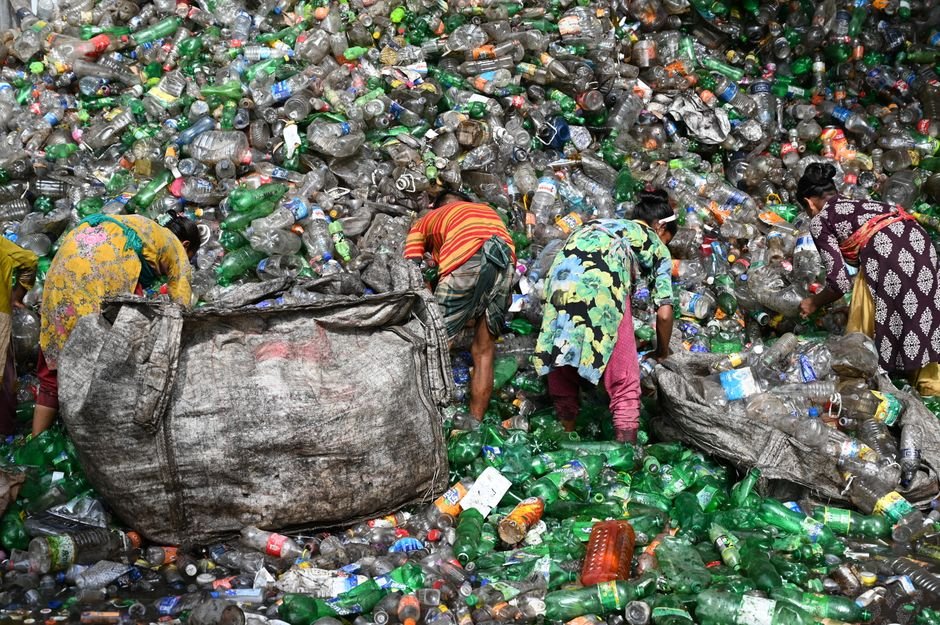
The Crisis in South Asia: Understanding the Context
The war in Iran is a significant catalyst for this turmoil. It has disrupted supply chains and made raw materials more expensive, forcing businesses to make tough decisions. India, as a key player in South Asia, finds itself at the heart of this crisis. The region’s reliance on imports means that fluctuations in global prices due to geopolitical conflicts can easily send shockwaves through local economies. As businesses hike prices, the middle class, already stretched thin, is paying the price.
The consequences of these decisions are not just confined to corporate balance sheets. Consumers are feeling the pinch, especially those in lower-income brackets who are forced to choose between essential items. This dynamic not only fuels discontent but risks broader economic instability. If businesses continue to shrink their offerings in a bid to maintain profitability, the very fabric of consumer trust could fray.
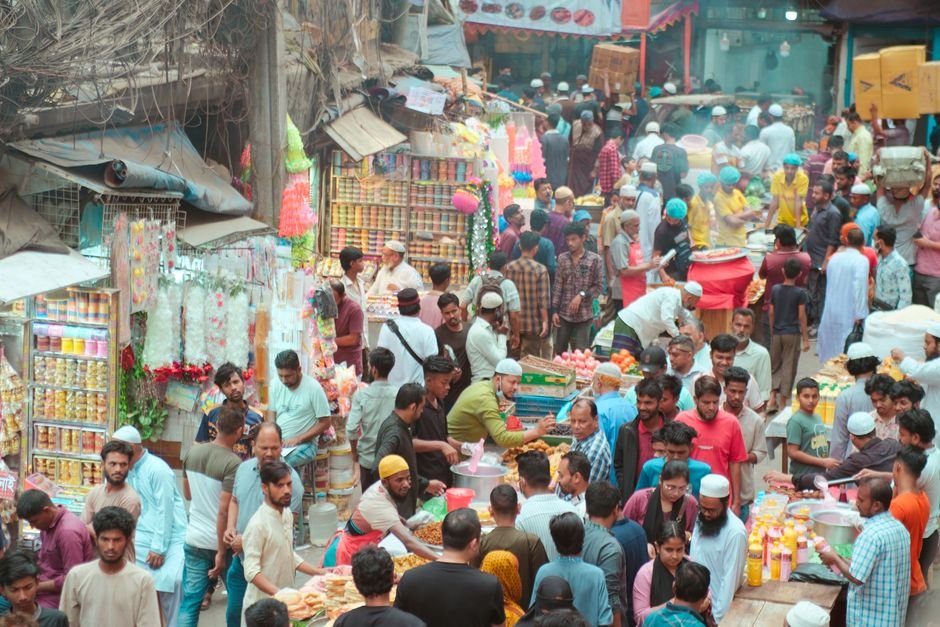
Profit Over People: A Hot Take on Corporate Responsibility
It’s almost ironic that as companies tighten their belts, they expect consumers to absorb the financial hit without protest. Who wins in this scenario? Certainly not the average consumer struggling to make ends meet. The winners are the corporations, which can blame external factors like the Iran war while padding their profit margins. This is an egregious example of profit-over-people mentality that has become all too common in today’s business landscape.
Some might argue that businesses need to protect their bottom line to survive, especially in volatile markets. However, this argument feels more like a convenient excuse than a robust strategy. When companies prioritize profits through price hikes and smaller packages, they risk alienating their customer base. Loyal consumers may quickly become disillusioned, seeking alternatives that don’t exploit their loyalty and trust.

Moreover, this trend could backfire spectacularly. If the current inflationary pressures persist, and companies fail to adapt responsibly, the backlash could lead to boycotts and a shift in consumer behavior. The mainstream media often misses this crucial point—economic decisions have social repercussions. The decisions made today will not only affect the current economic landscape but can also shape the market dynamics of the future.
So, as we watch South Asia’s businesses maneuver through this crisis, it’s imperative to question: Are we witnessing a short-term strategy, or is this indicative of a deeper systemic issue?
As the weekend rolls into the week, one thing is clear: the landscape of South Asia’s economy is shifting. Will corporate leaders take note of the repercussions on their consumers, or will they continue this perilous path? As these price hikes and product shrinks become the new norm, the real question looms: How much longer can this go on before the consequences become unmanageable? The clock is ticking, and the stakes are higher than ever.
Source: Google — South Asia