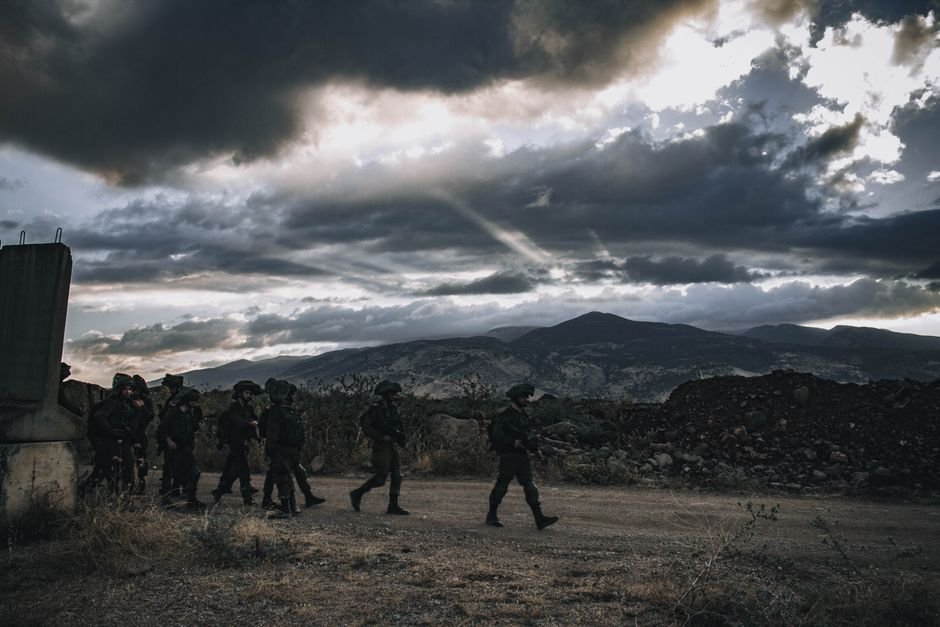
The Middle East has become an all-too-familiar stage for theater, yet it’s hard to watch the latest act unfold without feeling a pang of frustration. Who actually benefits when Hezbollah rejects a cease-fire deal with Israel? As tensions rise and fresh violence looms, it’s clear that this isn’t just a regional spat; it’s a complex web of interests where common sense and peace seem an afterthought.
According to The New York Times, Hezbollah’s leadership has explicitly turned down a proposed cease-fire between Lebanon and Israel, further escalating the already tense situation. The rejection comes amidst ongoing skirmishes that have raised concerns about a wider conflict, which could engulf multiple nations in the region.
Understanding the Stakes in the Middle East
This latest development isn’t just a footnote in Middle East history; it’s emblematic of the ongoing struggles that characterize the region. Lebanon has been grappling with its own political crisis, while Israel remains on high alert, balancing its own internal challenges with external threats. Hezbollah, backed by Iran, seems to thrive in this chaos, leveraging it to maintain its grip on power within Lebanon. The players involved – Lebanon’s fractured government, Israel’s military posture, and Iran’s shadowy influence – create a volatile mix that rarely, if ever, favors peace.
The rejection of the cease-fire deal serves as a wake-up call. It signals to the international community that Hezbollah is willing to play a dangerous game, betting against the possibility of stability in the Middle East. For them, conflict is a tool that not only strengthens their position domestically but also flexes their muscle regionally. However, it raises the question: how far are they willing to push their luck? The answer may lie in the suffering of the civilian populations caught in this brutal chess match.
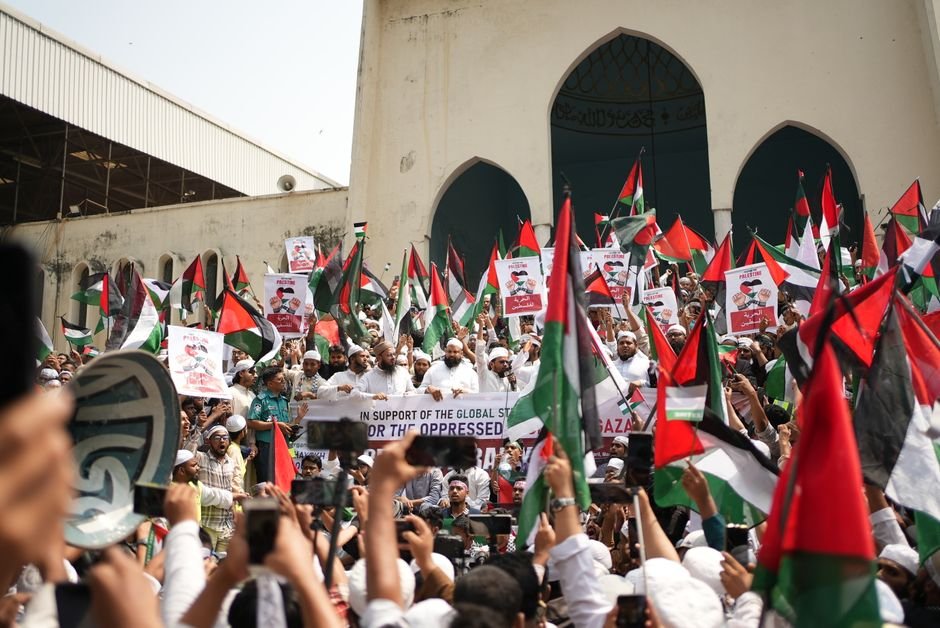
Who Wins and Who Loses in the Middle East?
Here’s the harsh truth: in the Middle East, the art of deception is often the favored weapon. Hezbollah’s refusal to accept a cease-fire could be seen as a strategic maneuver, but at what cost? The winners here are the hardliners who believe in maintaining a constant state of conflict to justify their existence. The losers are the innocent civilians who will inevitably bear the brunt of this animosity.
The mainstream narrative often overlooks one critical point: every time a cease-fire is rejected, it’s not just a political statement; it’s a direct threat to human lives. Onlookers who think this is just another political dispute miss the broader implications. As more military operations escalate, humanitarian crises will deepen, and the already fragile infrastructure of Lebanon and its surrounding neighbors will suffer even more.
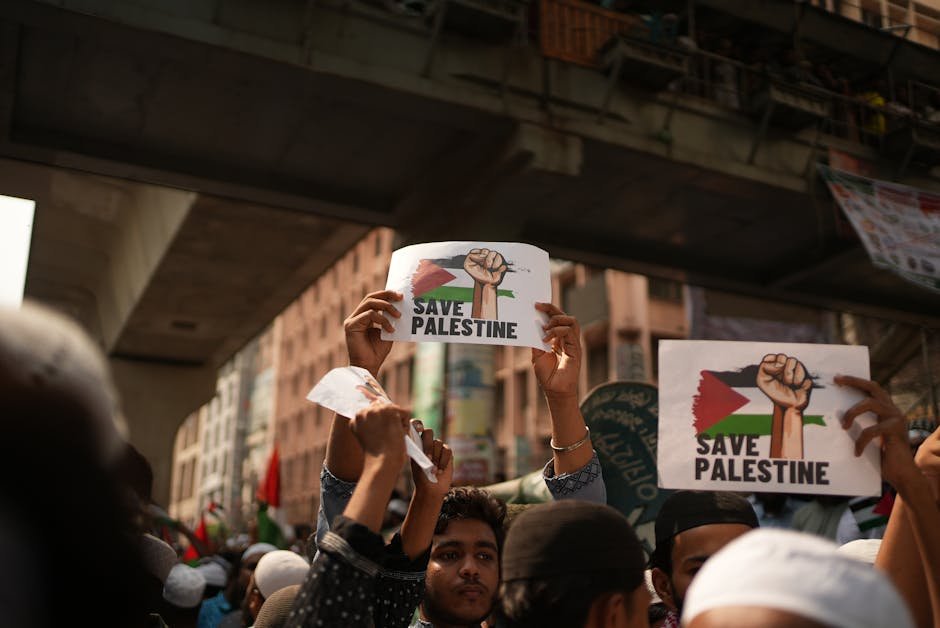
While the world watches with bated breath, it’s crucial to remember that each refusal of dialogue inches us closer to a catastrophe. If we aren’t careful in our analysis, we risk ignoring the interconnectedness of these conflicts – a mistake that has led to far too many tragedies throughout Middle Eastern history.
It’s easy to slip into a cynical mindset when it comes to the Middle East, but perhaps it’s time we ask ourselves a challenging question: are we willing to dream of peace in a place that has known so much war? The rejection of the cease-fire is a clarion call for a renewed focus on diplomacy, even if it feels futile. Hope may be in short supply, but without it, the cycle of violence will only continue, leaving devastation in its wake.
In the end, unless all parties are willing to compromise, the Middle East will remain a powder keg, ready to explode at any moment. The question is not just about whether peace is achievable; it’s whether we can envision a future where we dare to seek it.
Source: Google — Middle East