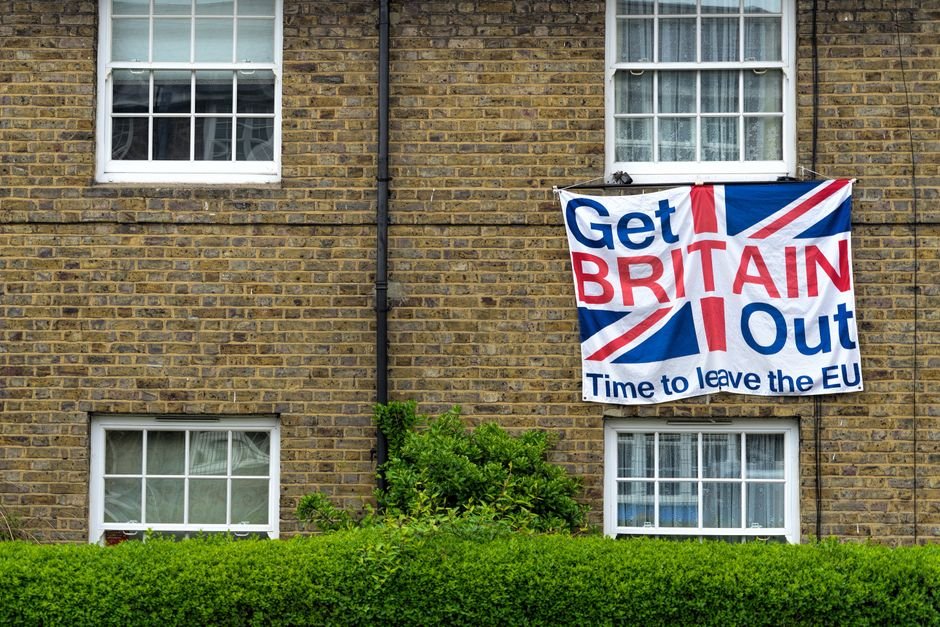
The ghosts of Europe are far from laid to rest. Ten years after the Brexit vote, the United Kingdom finds itself entangled in a web of regret, resentment, and what many are dubbing “Bregret.” The ramifications of leaving the European Union are still reverberating, and they’re not the echoes of triumphant independence that Brexit supporters envisioned. Instead, they hint at a painful realization: the price of sovereignty can sometimes be too steep.
According to a recent analysis from The Conversation, the bitterness that followed the 2016 vote has festered, leaving deep divides within the UK. Political analysts and historians alike are noting that instead of the promised prosperity outside the EU, many in the UK now feel adrift, grappling with the consequences of their choice.

The Weight of Choices: Brexit and Its Discontent
Why does this matter now? The irony is palpable. The UK was sold a vision of liberation from EU bureaucracy and a return to ‘national pride.’ Fast forward to today, the realities of economic turmoil, supply chain disruptions, and a fractured relationship with Europe have left a bitter aftertaste. The promise of new trade deals has largely failed to materialize, and the benefits once touted seem like fairy tales. Meanwhile, Scotland and Northern Ireland are once again wrestling with their own identities and desires for autonomy, stirred by a lingering dissatisfaction with Westminster.
The players in this drama are many: nostalgic Brexiteers, disheartened Remainers, and a government that appears increasingly out of touch. The rise of Bregret isn’t just an emotional response; it’s a call to action for those who wish to rethink the UK’s relationship with Europe. If there’s one thing that has become crystal clear in the last decade, it’s that the complexities of disentangling from the EU were grossly underestimated.

Who Really Wins in This Game of Bregret?
So, who wins and who loses in this narrative of regret? It’s easy to see the Brexiteers as the clear losers, but it’s important to recognize that the entire nation grapples with the fallout of its decisions. In a political game where populism once reigned supreme, many are now caught in a cycle of blame and retreat. The mainstream narrative is missing a crucial element: the changing demographics and attitudes of younger generations. They did not have a say in the Brexit decision, but they are inheriting the consequences. As time passes, the desire for a renewed relationship with Europe may grow stronger among those who feel cheated out of their future.
The beauty of Europe isn’t just in its markets—it’s in its culture, diversity, and the possibility for collaboration. The question now looms large: Can the UK find a way to re-engage with Europe without the shackles of regret? Or will we continue to spin our wheels in a never-ending cycle of Bregret, where every decision feels like a missed opportunity?
As we reflect on this decade since the UK’s fateful decision to leave Europe, one thing is certain: the narrative isn’t over. Regret, like Brexit, has a way of evolving and haunting us long after the initial choices are made. Are we ready to confront that reality, or will we continue to let the ghosts of our decisions dictate our future?
Source: Google — UK & Europe