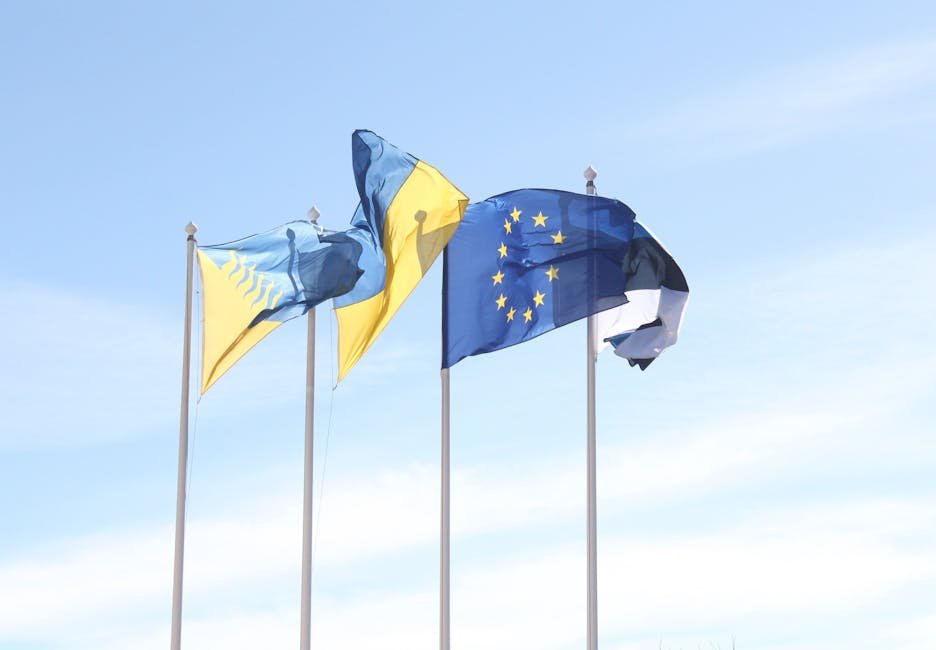
For too long, Europe has sat on the sidelines of global power struggles, waiting for the right moment to assert itself. But the uncomfortable truth is that without institutional unity and East-West convergence, the European Union risks becoming a mere spectator. According to a recent analysis from TRENDS Research & Advisory, the EU cannot hope to become a strategic power without overcoming these internal divisions.
The report underscores a pivotal point: Europe’s political landscape is deeply fragmented. The EU continues to grapple with disparities among member states, particularly between the economically powerful West and the less affluent East. This chasm impedes effective decision-making and hampers the bloc’s ability to function cohesively on the global stage.
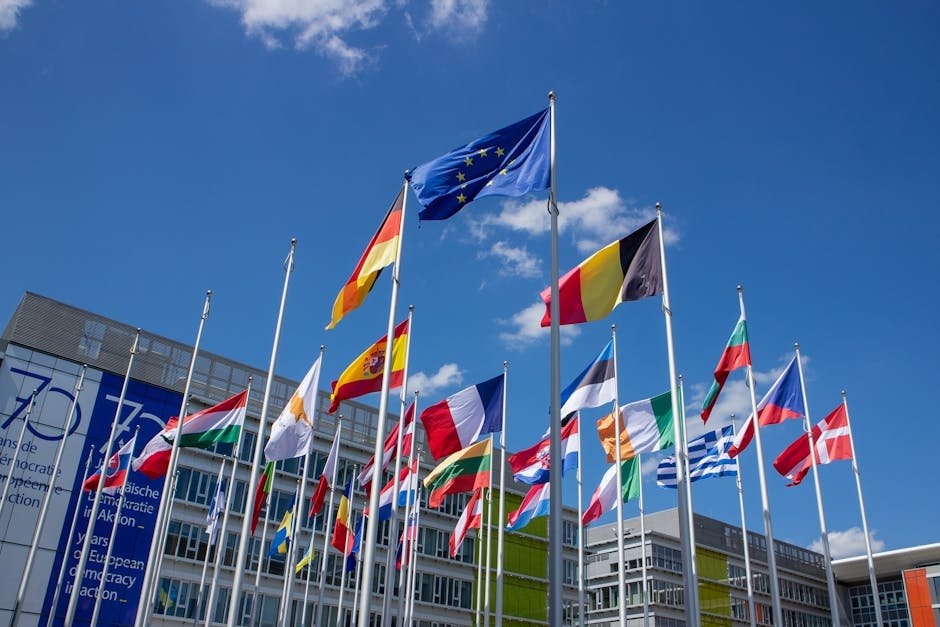
The Institutional Divide in Europe
Why is this issue surfacing now? The war in Ukraine has thrust security concerns into the limelight, revealing stark contrasts in how East and West approach military readiness and diplomacy. The EU’s response to the conflict has been commendable in many respects, yet it also showcases the fractures within the union. Eastern European countries feel a more immediate threat from Russia and have been vocal about the need for stronger military support and strategic cohesion. On the other hand, Western nations often prioritize economic stability and diplomatic solutions over military escalation.
This institutional divide creates a paradox: Europe possesses significant economic resources and a shared interest in maintaining peace and stability, yet the failure to unify these efforts undermines its global influence. As China and the United States vie for dominance in international affairs, Europe risks being relegated to the role of a passive observer unless it can bridge these gaps and present a united front.
Who Stands to Lose?
The stakes could not be higher. If the EU is to emerge as a strategic power, it must prioritize unity over national interests. However, this is where the real challenge lies. Nationalistic sentiments have surged across the continent, leading to a reluctance among member states to relinquish even a fraction of their sovereignty for collective security.
Thus, the losers in this game are clear. If the EU fails to navigate its internal politics effectively, it will not only miss out on strategic opportunities but will also risk diminishing its relevance on the world stage. As a result, countries like Poland and the Baltic states may find themselves increasingly isolated, forced to negotiate their security independently, which contradicts the very philosophy of European solidarity.
The mainstream narrative often overlooks this critical tension. While there is much focus on soft power—diplomacy, trade agreements, and cultural ties—hard power is equally vital. The EU’s military capabilities, collective defense strategies, and response mechanisms must be addressed, or else the union will continue to cower in the shadows of global superpowers.
As Europe enters a new week filled with diplomatic engagements and potential market shifts, leaders must ask themselves: Will they seize the moment to unify and strengthen their strategic posture, or will they allow divisions to deepen and continue playing a game of catch-up? The answer will determine the EU’s future relevance and power on the global stage.
In conclusion, the clock is ticking. Europe stands at a crossroads, and the choices made in the coming weeks will echo for generations. Will it emerge as a cohesive force, or will it remain fragmented and reactive? The world is watching, and the time for decisive action is now.
Source: Google — UK & Europe