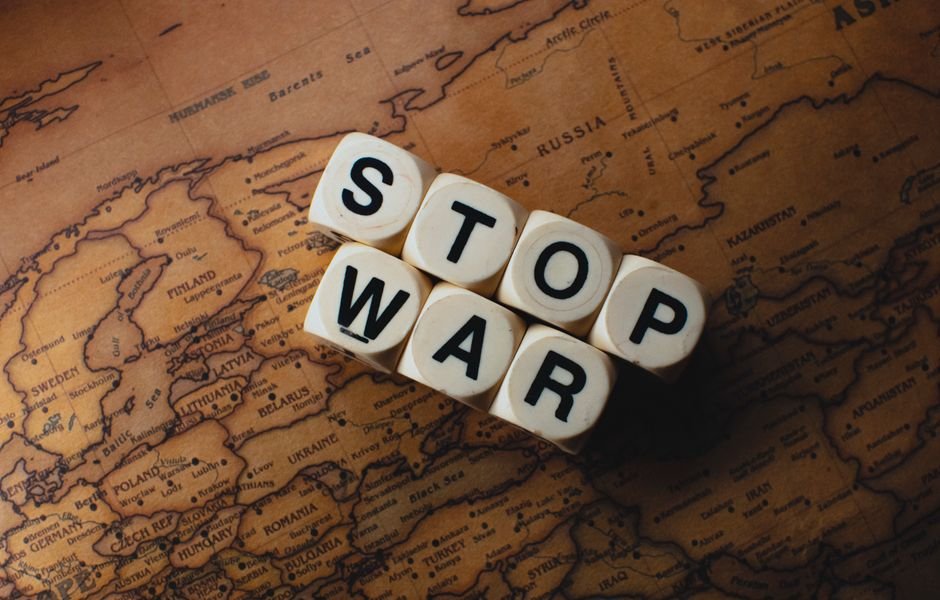
A ceasefire in the Middle East—can we even call this a victory? Israel and Lebanon have reportedly agreed to a conditional ceasefire, but let’s be real: this isn’t peace. It’s a band-aid on a bullet wound, and anyone who thinks this moment marks a shift towards lasting stability is living in a fantasy.
According to Al Jazeera, the two nations have come to this agreement amid ongoing hostilities that have disrupted the region. The ceasefire, however, is fraught with conditions that suggest it could unravel at any moment.
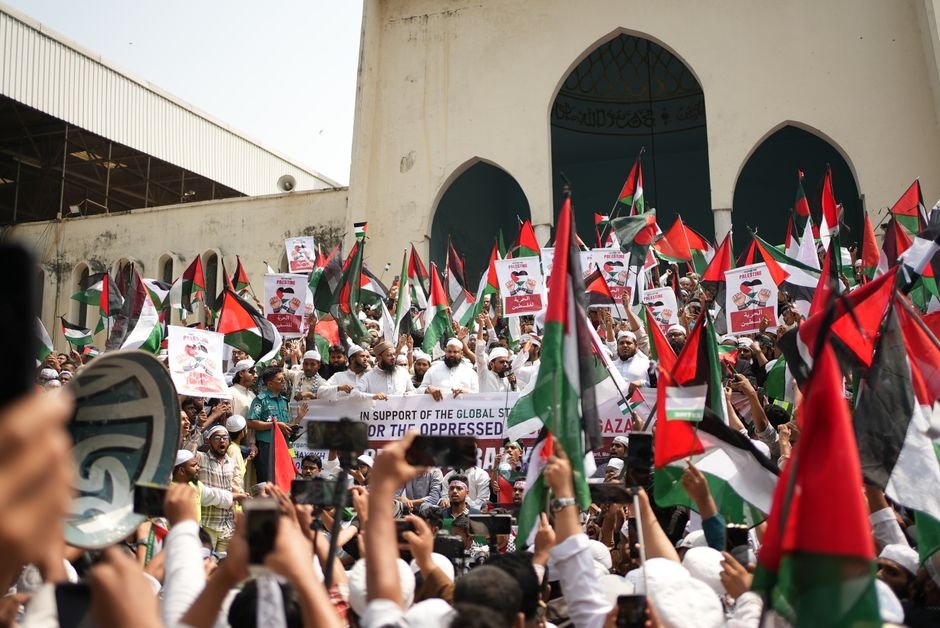
The Middle East Landscape: An Unstable Truce
Why now? The geopolitical chessboard of the Middle East has long been a complex web of alliances, hatred, and historical grievances. Lebanon’s Hezbollah, often seen as a proxy for Iran, has been active in the region, and tensions with Israel have escalated sharply. A ceasefire could indicate that both sides are feeling the weight of international pressure or perhaps domestic instability, but let’s not forget: ceasefires often serve as mere pauses in a much larger conflict, not resolutions.
The players involved, including international stakeholders like the United States and European nations, have been scrambling to mediate and stabilize the situation. But are they really interested in peace, or are they more focused on keeping their strategic interests intact? The Middle East is a gold mine of resources and political influence, and any resolution here is riddled with ulterior motives.
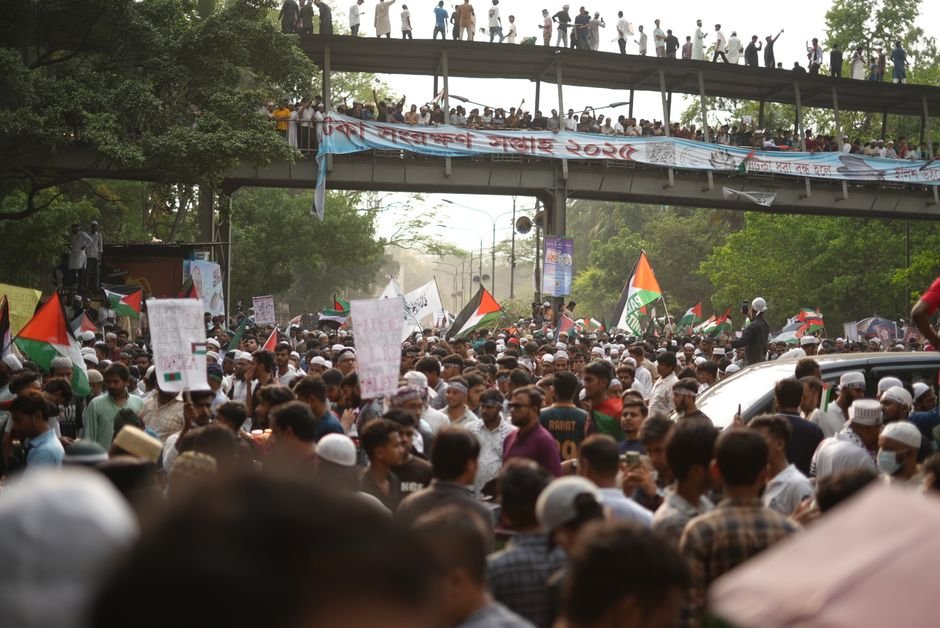
The Stakes: Who Really Wins?
Let’s cut to the chase. Who are the real winners and losers in this scenario? In the short term, both Israel and Lebanon can claim a win by reducing the immediate threat of violence. But that’s superficial. The long-term implications could see both countries reloading for the next round of violence. The mainstream narrative is that this ceasefire is a sign of progress. However, I see it as a temporary reprieve in a conflict that has deeper roots than any superficial agreement can address.
On one hand, a failure to uphold this ceasefire could lead to widespread violence, further destabilizing the Middle East and dragging in regional players like Iran and Saudi Arabia into the fray. On the other hand, if the ceasefire holds, it’s merely kicking the can down the road. The grievances, the historical animosities, and the power struggles remain unaddressed.
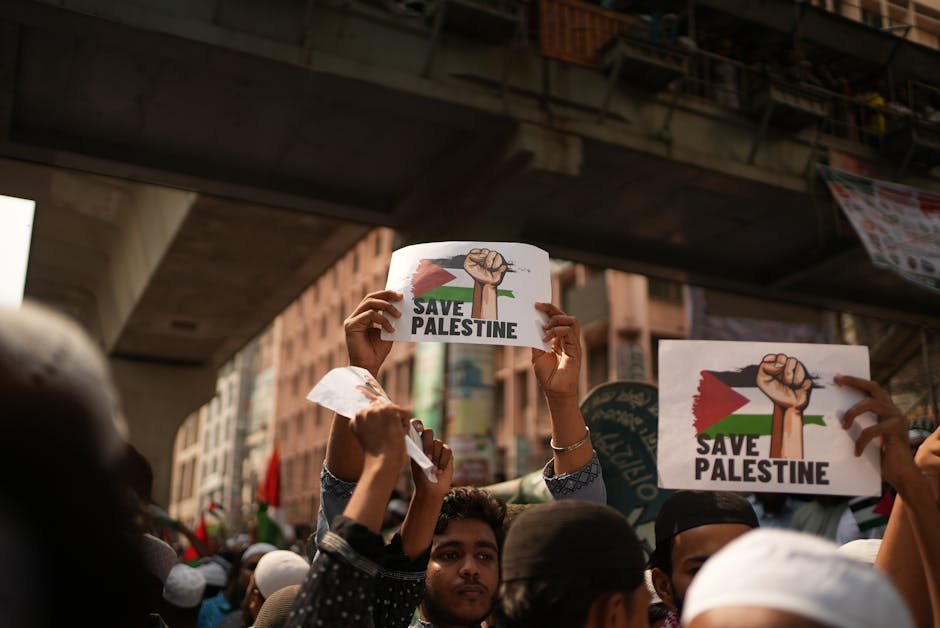
As we dissect this fragile ceasefire, let’s not kid ourselves: it’s a reflection of the uncertainties that plague the Middle East. The conditional nature of this truce speaks volumes about the lack of trust and the deep-seated divisions that exist between these nations.
In conclusion, while the world may breathe a sigh of relief at the news of a ceasefire, the reality is that this is just a temporary halt in a long-standing conflict. Is it too much to ask for genuine peace in the Middle East? Or are we destined to keep watching the same tragic play unfold over and over? The answer lies in the hands of those who wield power—and we know how that story often ends.
Source: Google — Middle East