
In the intricate world of geopolitics, the stakes couldn’t be higher as India and the United States flirt with a significant trade pact. This is not just another business deal; it’s a potential game-changer for South Asia. With tariff terms hinging on the elusive Section 301 relief, the pressure is on for both nations to find common ground.
According to Reuters, negotiations are intensifying between India and the U.S. as they inch closer to finalizing a trade agreement. The biggest hurdle? Finding an agreeable framework for tariffs that both countries can live with.
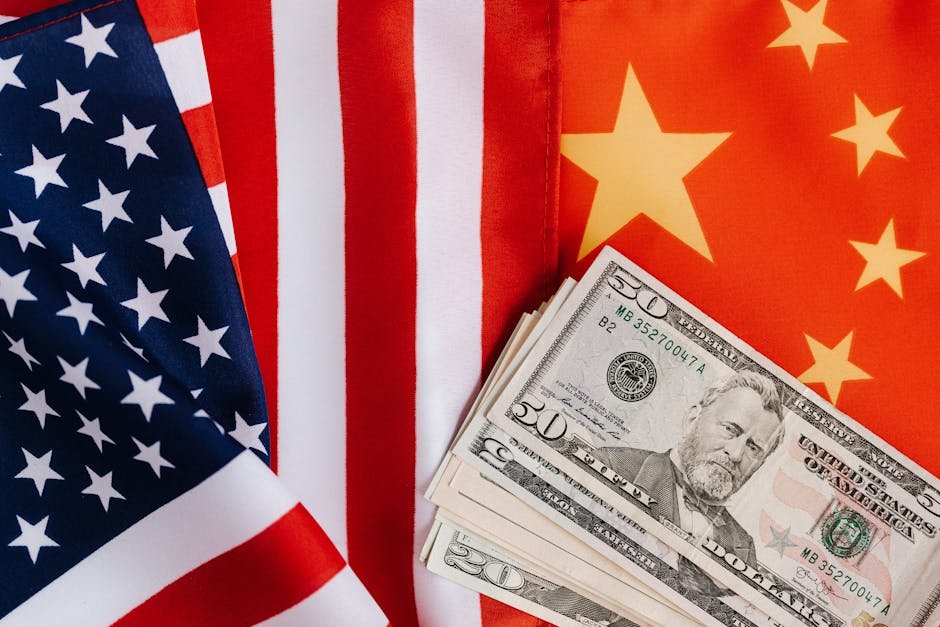
The Stakes of the South Asia Trade Agreement
Why does this matter now? The landscape of international trade is shifting rapidly, and as economic titans like China flex their muscles, both India and the U.S. recognize the necessity of a strong alliance in South Asia. The recent history of trade wars and tariff battles has left scars, and both nations are looking to heal those wounds by creating a framework that not only helps their economies but also strengthens their strategic positioning.
Section 301 has become a focal point in these discussions. This provision allows the U.S. to impose tariffs to protect American interests, but it also serves as a bargaining chip in negotiations. India, overly aware that its economic growth is closely linked to trade relations with the U.S., is navigating these complexities with caution. U.S. businesses are keen on the Indian market, with its rapid digital growth and vast consumer base, while India is eager to attract foreign investment and foster job creation.

Who Gains, Who Loses in South Asia?
Here’s the hot take: if this trade pact goes through, both nations stand to gain immensely. India could see an influx of jobs and investment that could bolster its position in South Asia and beyond. The U.S. would benefit from access to competitive markets and a partner that can help counterbalance China’s dominance in the region.
Yet, there’s a fine line between opportunity and overreach. The mainstream narrative often overlooks the fact that the negotiating table is rife with tension. Not everyone in India is on board with a trade deal that could lead to compromises on sensitive sectors, such as agriculture and technology. Farmers fear that opening up Indian markets could drown them in foreign competition. On the flip side, U.S. businesses are looking for assurances that their interests won’t be sidelined.
The risk of overcompensation is high, and if either side missteps, the implications could ripple across South Asia, affecting smaller nations that rely on India and the U.S. for economic support. What could go wrong? A failure to finalize an agreement could reignite old grievances and lead to further protectionist measures.
As we look to the future, it’s crucial to remain vigilant. Both countries need to tread carefully, ensuring that they don’t just create a deal for the sake of one. The balance of power in South Asia is delicate, and the repercussions of this pact will be felt well beyond the negotiating table.
In conclusion, as India and the U.S. tango toward a potential trade pact, the world is watching. Will they create a new economic alliance that strengthens South Asia, or will they stumble on the path to progress? The stakes are high, and the clock is ticking.
Source: Google — South Asia