In a world where diplomacy often feels like a game of chess played by toddlers, Donald Trump just threw all the pieces off the board. In an interview with CNBC, Trump declared, “I don’t care” if negotiations with Iran have crumbled, dismissing the fragile state of affairs in the Middle East with an alarming nonchalance.
According to CNBC, Trump’s blunt dismissal comes amidst rising tensions and deteriorating diplomatic relations in the region. He seems unfazed by the potential fallout from his cavalier stance on such a critical issue.
The Middle East at a Crossroads
Why does this matter now? We’re not just talking about another Trump soundbite; this is a pivotal moment for the Middle East. For years, Iran has been a focal point of U.S. foreign policy, a boiling pot of conflict and intrigue that has involved not only the U.S. but also its allies and adversaries alike. Trump’s comments come at a time when the Biden administration has been attempting to revive the nuclear deal that was so controversially abandoned by Trump himself. The stakes are higher than ever as regional allies like Israel and Saudi Arabia watch closely, their own futures intricately tied to U.S.-Iran relations.
The landscape of the Middle East has shifted dramatically over recent years, marked by a complex interplay of power dynamics, shifting alliances, and the ever-looming threat of conflict. The absence of a coherent U.S. strategy under Trump could lead to a vacuum that is filled by further conflict or, worse, unchecked nuclear ambitions from Iran. It’s a high-stakes game, and instead of diplomacy, we’re getting a front-row seat to a reckless, brash political theater.
Trump’s Recklessness: Who Wins and Who Loses
It’s easy to write off Trump’s remarks as just another episode in his ongoing reality show, but the implications could be profound. Who truly stands to gain from this recklessness? In some dark sense, Trump’s indifference might embolden hardline factions within Iran to pursue more aggressive policies or nuclear ambitions, believing they have nothing to fear from U.S. retaliation. Conversely, regional players who have long sought a more stable Middle East could face increased instability, as the absence of U.S. mediation may result in a power struggle that escalates into open conflict.
Let’s not kid ourselves: while some Americans might cheer Trump’s flippant dismissal of diplomacy, the reality is that his approach is not just cavalier; it could be downright dangerous. The mainstream media is missing the gravity of this situation. Instead of focusing on the bluster, we should be examining the potential consequences of this recklessness on global stability and regional security.
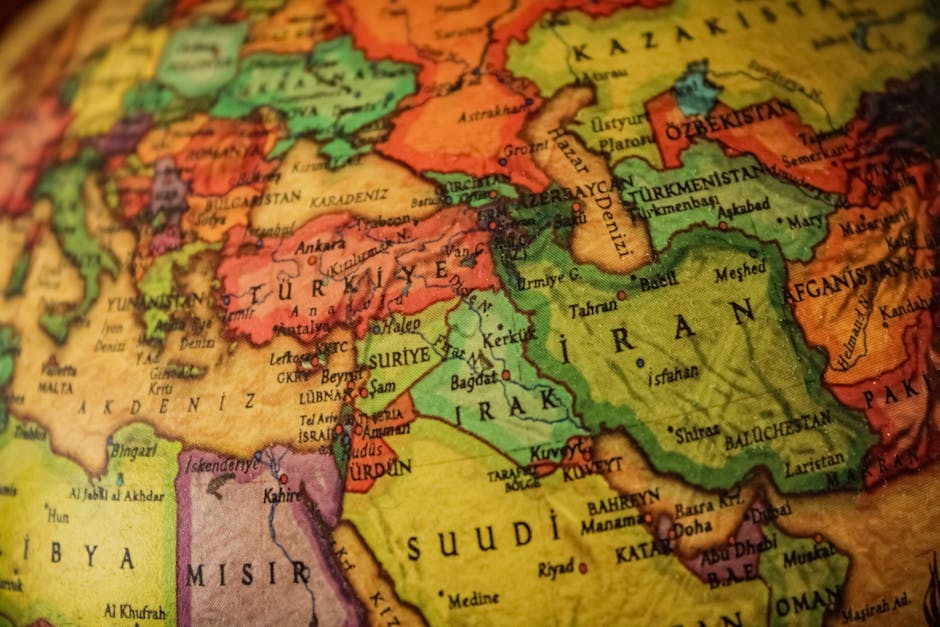
The Iran nuclear deal may have been fraught with complications, but abandoning the conversation altogether only invites chaos. With Trump seemingly uninterested in the delicate balance of power in the Middle East, there’s a very real risk that the region will descend into further violence and unpredictability.
As the world watches, the question lingers: when will we wake up to the fact that carelessness in diplomacy isn’t just a political talking point, but a looming threat to global peace? With Trump contradicting the need for engagement in the Middle East, we might find that indifference could be our most dangerous adversary.
Source: Google — Middle East