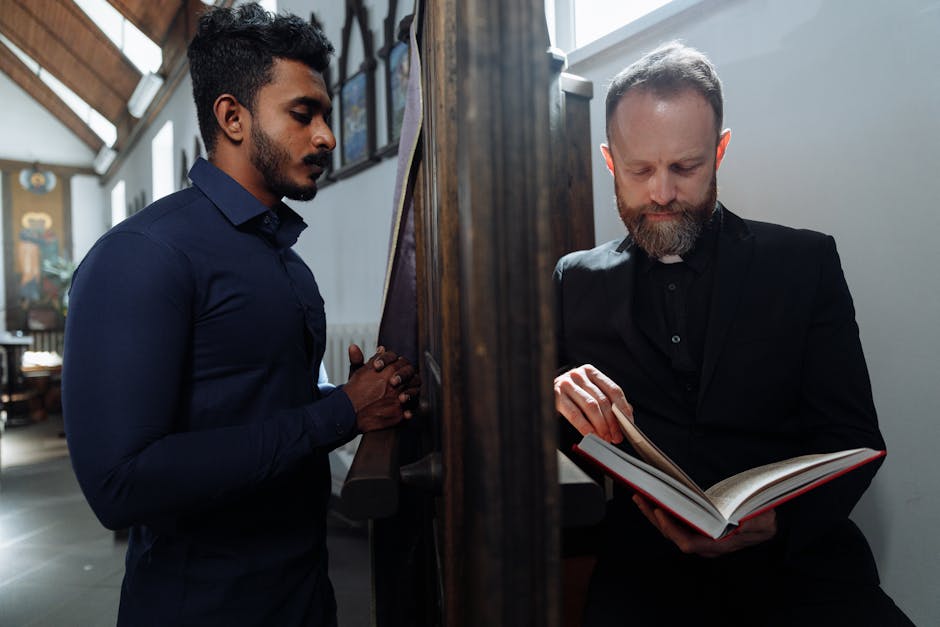
Is it time for Silicon Valley to seek divine intervention? In an era where technology is evolving at an unprecedented pace, the intersection of faith and ethics has never been more critical. Recently, a Silicon Valley priest has emerged as an unlikely advisor to tech giants grappling with the moral implications of artificial intelligence. According to the National Catholic Reporter, this clergyman is pushing for ethical guidelines that could shape the future of technology.
The Role of Technology in Modern Ethics
The rise of artificial intelligence has opened a Pandora’s box of ethical dilemmas. As AI systems become more sophisticated, they’re not merely tools; they have the potential to influence our daily lives, social structures, and even our moral frameworks. The priest’s involvement highlights a significant trend: tech companies are recognizing that they need to account for the ethical ramifications of their innovations.

This collaboration between clergy and corporations is a fascinating but complicated dance. Tech companies, driven by profit and competition, often prioritize rapid advancement over ethical considerations. However, as public scrutiny intensifies and regulations loom, these giants are beginning to realize that their survival may hinge on ethical accountability.
The Stakes of Ethical Technology
The stakes are enormous. On one hand, we have a Silicon Valley that has historically pushed boundaries without much regard for societal consequences. On the other, we have a growing chorus of voices, including this priest, arguing for a balanced approach that accounts for human dignity and moral integrity.
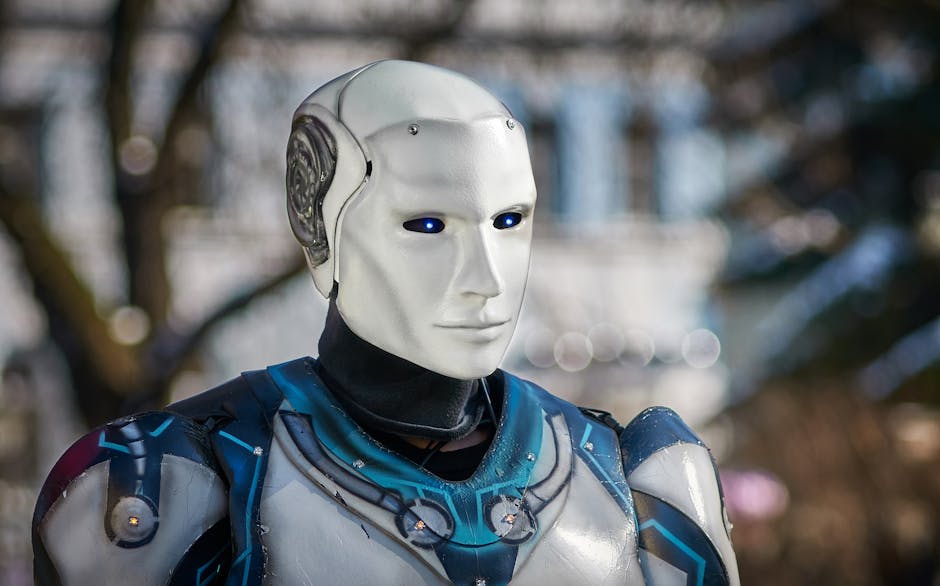
The current moral landscape in technology is riddled with contradictions. While companies profess a commitment to ethical practices, their actions tell a different story. With every new algorithm designed for profit maximization, the potential for harm increases. As AI systems learn from data—often biased—there’s a risk of perpetuating systemic inequalities. The Silicon Valley priest’s advocacy for ethical oversight could be a game-changer, but it’s not without challenges. The tech sector is notoriously resistant to change, often prioritizing shareholder interests over ethical considerations.
Who truly wins in this moral tug-of-war? If the priest’s influence leads to a genuine commitment to ethical standards, we might see a more conscientious tech industry. However, if this partnership is merely a PR stunt, the consequences could be dire. We could end up with more polished rhetoric but the same old exploitative practices masked behind a veneer of moral posturing.
As we tread further into the uncharted waters of AI, we need to question whether technology should guide human values or if human values should dictate the direction of technology. Will this Silicon Valley priest succeed in steering corporations toward a more ethical future, or will he get lost in the labyrinth of corporate interests?
In a world where technology constantly evolves, one must wonder: who really holds the moral compass? As we move forward, the need for ethical guidelines in technology is not just an option—it’s a necessity. Without them, we risk a future where profit trumps principle, and the very essence of what it means to be human is at stake.
Source: Google — Technology & AI