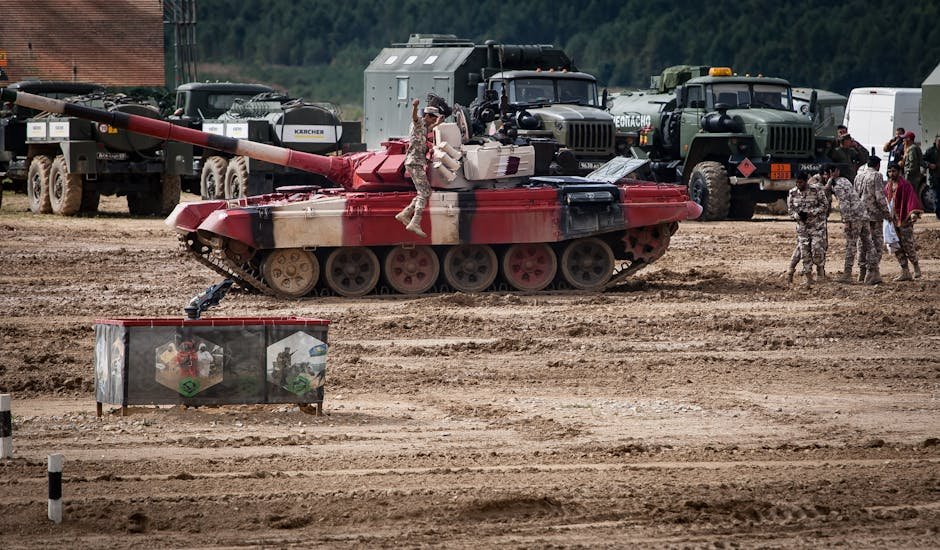
The Pentagon’s embrace of technology on the battlefield might sound like a futuristic dream, but it’s unfolding in a reality rife with peril. As military leaders grapple with the implications of battlefield AI, the question looms larger: are we prepared for the consequences of letting machines make life-and-death decisions?
According to the Pittsburgh Post-Gazette, the Pentagon is aggressively pushing for the integration of AI into military operations, yet some military leaders are sounding alarms about the potential risks. Their concerns spotlight the tension between technological advancement and ethical responsibility—a dichotomy that does not come without heavy stakes.
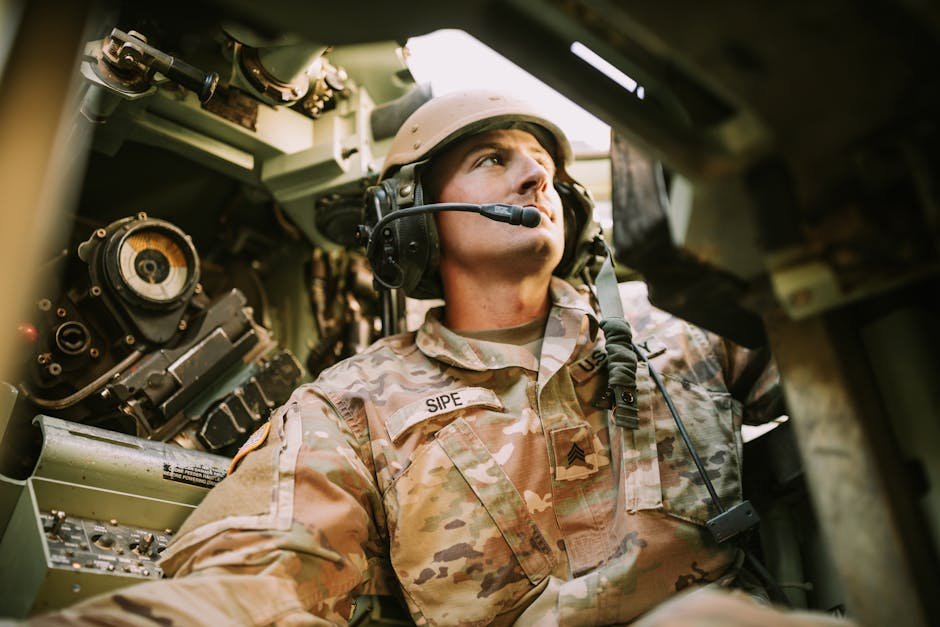
The Push for Technology in Warfare
This latest drive for battlefield AI comes at a time when nations are racing to harness technology to maintain military superiority. The U.S. aims to outpace adversaries like China and Russia, who are already deploying advanced technologies. However, the concerns raised by military leaders reflect a growing unease about the consequences of such rapid innovation. The very notion of machines making strategic decisions raises ethical questions that the military-industrial complex seems reluctant to confront.
The stakes could not be higher, yet there is a palpable urgency to embrace technology that may blind decision-makers to the potential fallout. The balance between utilizing AI for efficiency and ensuring that warfare remains under human control is not just a philosophical debate—it has real-world implications that could affect lives on a global scale.
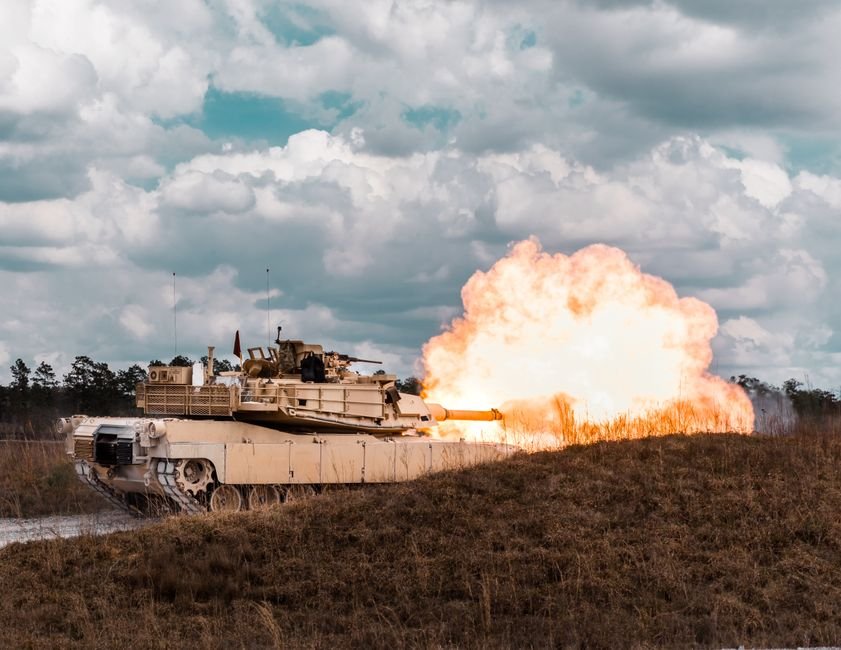
The Risks of Battlefield AI
In the rush to adopt technology, we may be overlooking how little we truly understand about AI systems—especially in chaotic environments like war. The algorithms that power these systems are not infallible; they can misinterpret data, leading to catastrophic mistakes. The military leaders advocating for caution highlight the risk of losing human judgment in critical situations, something that cannot be programmed into a machine.
Critics argue that the mainstream narrative surrounding battlefield AI is dangerously optimistic. While proponents tout the efficiency and precision AI can bring, they often neglect the darker realities—unintended consequences, collateral damage, and the moral implications of deploying autonomous weapons. The chilling thought that technology could one day decide who lives and dies is not merely science fiction; it’s a looming threat we must confront.
The implications extend beyond the battlefield. Should military AI systems operate without adequate oversight, it could shift global power dynamics, leading to an arms race fueled by technology. Nations might feel compelled to deploy similar systems without adequate ethical frameworks, creating a volatile environment where miscalculations could ignite conflicts.
The stakes are clear: if the Pentagon pushes forward with this technology without careful consideration, we could unleash a new era of warfare marked by unpredictability and chaos. The voices of caution are not just whispers; they are urgent calls for a responsible approach to military innovation.
The conversation surrounding battlefield AI is just beginning, but if we fail to acknowledge the profound ethical dilemmas it presents, we risk a future where technology dictates the rules of engagement—rules we may not be prepared to enforce. The battle lines between human judgment and technological efficiency are drawn, and we are left to ponder: will we allow machines to lead us into uncharted territories of warfare?
Source: Google — Technology & AI