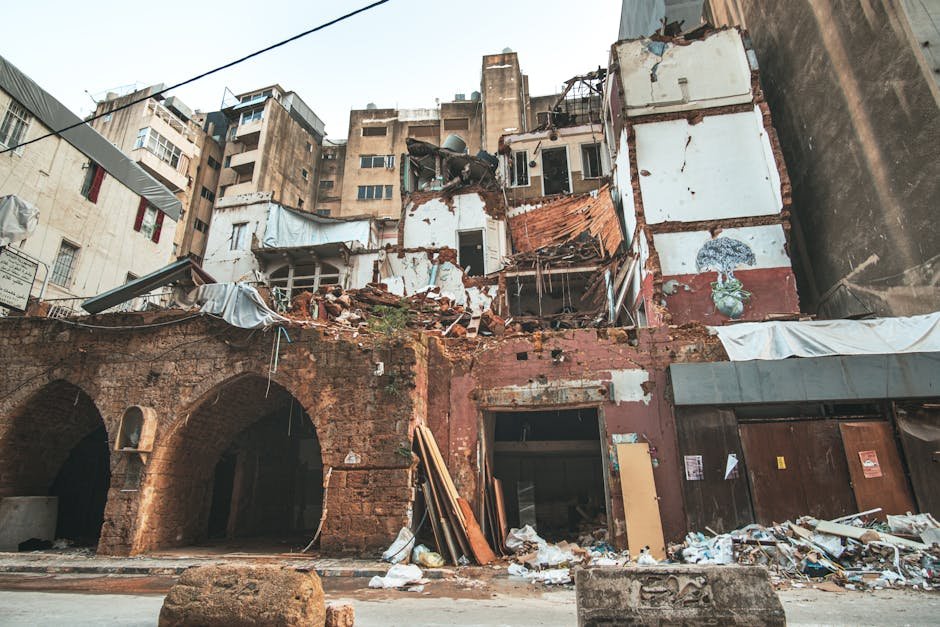
The Middle East is once again a powder keg, and the latest order from Israel’s Prime Minister to strike Beirut suburbs proves it. How long can the region withstand the escalating tensions before it ignites into a full-blown conflict? According to the BBC, Israeli airstrikes in and around Beirut escalated following a resurgence of hostilities with Hezbollah.
Understanding the Stakes in the Middle East
The decision to target Beirut suburbs is not made in isolation; it’s a calculated response to a long-standing rivalry that has reached a boiling point. Tensions between Israel and Hezbollah have been simmering since the latter’s formation in the 1980s, fueled by a complex web of alliances, national pride, and regional power struggles. As Iran continues to bolster its support for Hezbollah, Israel finds itself in a precarious position, forced to act decisively in a landscape where one miscalculation could lead to an all-out war.
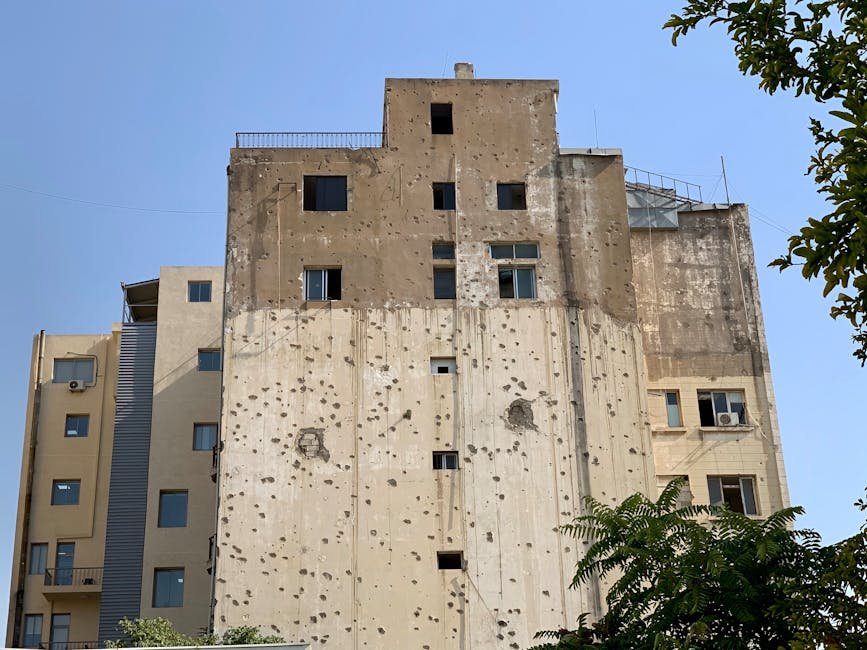
This latest round of violence is particularly concerning. The backdrop of the broader Middle East is marred with instability, including ongoing conflicts in Syria and Yemen. These conflicts embolden extremist factions and complicate diplomatic efforts. As Israeli airstrikes target Hezbollah strongholds, they risk igniting a regional response that could draw in various factions, further entrenching the cycle of violence.
Who Wins and Who Loses in the Middle East?
While Israel seeks to quash Hezbollah’s military capabilities, the real question is: who stands to gain from this renewed violence? In the short term, Israel may achieve tactical victories, hitting critical infrastructure and sending a message to its adversaries. However, the longer-term implications are far graver. A successful strike might embolden Israeli hardliners, leading to calls for even greater military actions, while also rallying support for Hezbollah among the Lebanese populace, who may see these strikes as an affront to their sovereignty.
On the other hand, the international community, primarily the United States and European allies, will have to grapple with the fallout. They’re already navigating a tightrope with Iran and other regional players. As tensions escalate, diplomatic efforts will be tested, and the risk of a wider conflict becomes more palpable. The Middle East is not merely a chessboard; it’s a battlefield where every move has consequences that reverberate far beyond its borders.
This scenario is fraught with danger. If Hezbollah decides to retaliate, we could see a rapid escalation in violence that involves other regional players, pushing the Middle East closer to an all-out war. The mainstream narrative often overlooks the interconnectedness of these conflicts, but they are all part of the same tragic saga. As we’ve seen in the past, these flare-ups can lead to cycles of retaliation that are hard to break.
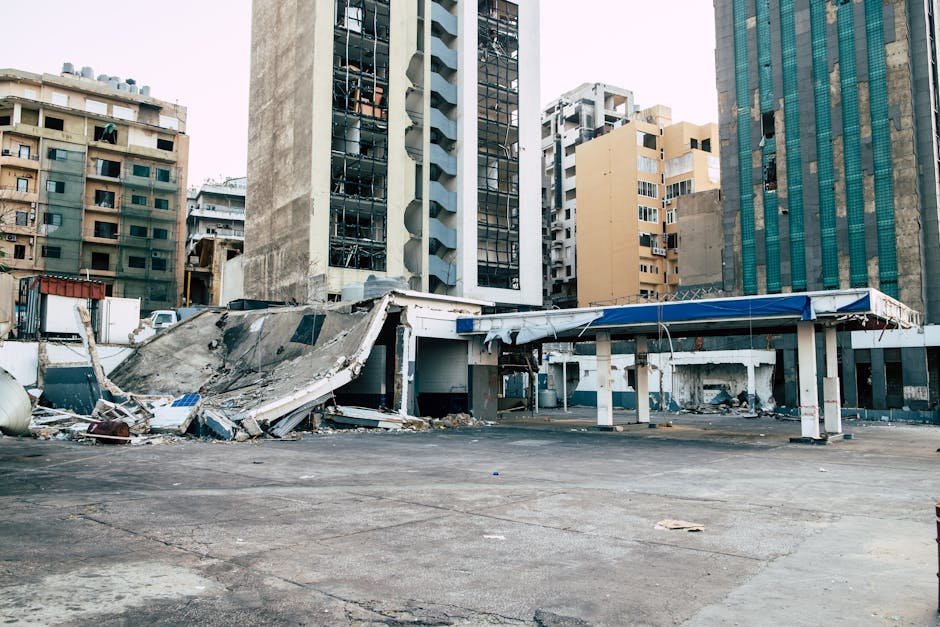
The situation is dire, and the stakes are climbing. The people of Lebanon, already burdened by economic woes, are not just collateral damage; they are human beings caught in a struggle far beyond their control.
In closing, we must ask ourselves: How many more times will we witness the tragic dance of violence in the Middle East? Unless a diplomatic solution is urgently sought, we are merely writing the script for another dark chapter in a region that has long been synonymous with conflict.
Source: Google — Middle East