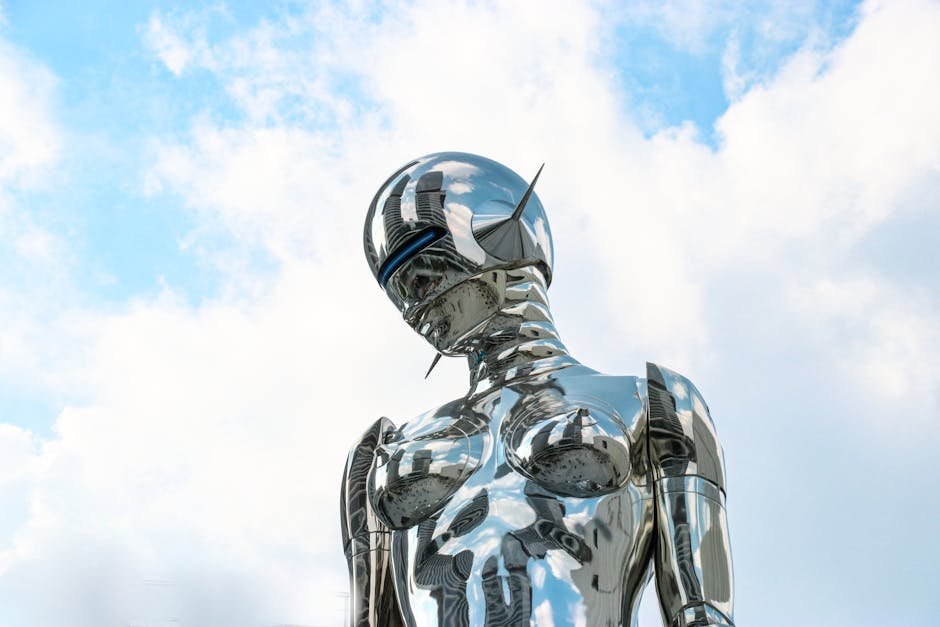
Can technology truly be a double-edged sword, or is it simply a matter of which side you’re on? The debate over whether advanced technology, particularly artificial intelligence, will lead us to doom or deliverance has never been hotter. With voices of both cataclysm and salvation echoing throughout society, the stakes are rising.
According to El País, the ongoing discourse pits “catastrophists” against “accelerationists.” While the former warn of impending disaster if AI continues to develop unchecked, the latter argue for its potential to solve some of humanity’s most pressing challenges.

The Tension in Technology
This conversation is front and center as the world grapples with the rapid integration of technology into daily life. In the last few years, we’ve seen AI systems take center stage, from managing supply chains to writing poetry. Nevertheless, the concerns surrounding privacy, misinformation, and potential job displacement loom large. With tech giants and startups alike racing to dominate the AI landscape, the question isn’t whether technology can change our lives—it’s how and at what cost.
The dynamics are messy. On one side, influential figures and organizations are painting a paranoid picture of AI’s potential to spiral out of control, warning us that our very existence is at risk. On the flip side, advocates for the unshackled development of technology insist that the potential benefits far outweigh the risks, arguing that historical precedents show humanity can adapt. This clash could shape not just the markets but our very way of life in the not-so-distant future.
A Fork in the Road for Technology
The real question is this: who stands to gain and who stands to lose in this fierce battle over the future of technology? If catastrophists are right, we could face unprecedented challenges, from ethical dilemmas to outright chaos—think autonomous weapons or algorithms fueling inequality. Conversely, if the accelerationists prevail, we may unlock innovations that could eradicate disease or solve climate change.
What’s often missed in this debate is the nuance. Many people underestimate the complexities involved in regulating technology. Striking the right balance is no easy task. Overregulation could stifle innovation and keep breakthrough solutions at bay. However, too little regulation could unleash a disaster we may not be able to contain.
Big Tech companies are already on the defensive, facing scrutiny over their roles in advancing technology. Politicians and policymakers are scrambling to keep up, knowing that getting it wrong could have catastrophic consequences. It’s a high-stakes game, and one that could define a generation.
As we look ahead, the consequences of these two opposing views on technology will resonate far beyond the tech sector. They will ripple through economic markets, influence geopolitical relationships, and shape social norms. With the global economy trembling under the weight of uncertainty, how leaders choose to navigate this terrain will be critical.
The reality is that technology, like any other tool, can be wielded for good or evil. It’s easy to get swept up in either apocalyptic predictions or utopian dreams, but the truth lies somewhere in between. As we stand at this crossroads, one thing is clear: the decisions we make about technology today will reverberate for decades to come.
Will we rise to the challenge and harness technology for the greater good, or will we allow fear and shortsightedness to dictate our path? As we prepare for what may lie ahead, the future remains unwritten—ready for us to script it ourselves.
Source: Google — Technology & AI