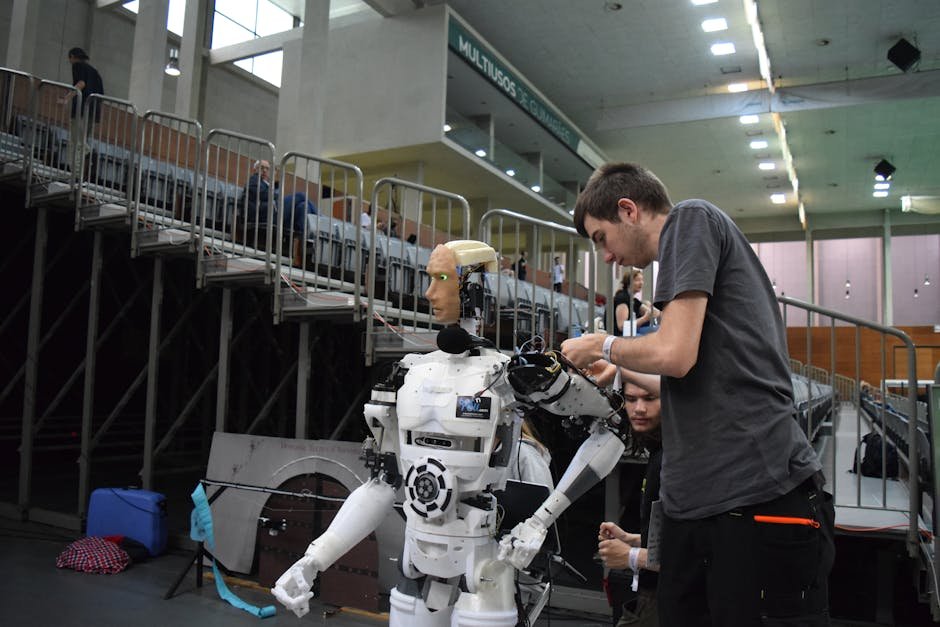
For all the backlash against artificial intelligence, one cannot escape the uncomfortable truth: delaying the adoption of technology is a luxury we no longer possess. As students at the University of Pittsburgh protest the encroachment of AI into their academic lives, a cautionary voice emerges from their ranks—Pitt professor Rahul Deokar, who argues that we must embrace this technology now, or risk being left behind.
According to the Pittsburgh Post-Gazette, students are raising their voices against AI, fearing it may undermine their education and future job prospects. Meanwhile, Deokar warns that a refusal to adapt could lead to dire consequences, urging a balanced approach that recognizes both the challenges and opportunities presented by AI.
The High Stakes of Technology Adoption
The ongoing protests against AI are not just a local issue; they’re a symptom of a broader anxiety about the future of work and education. We live in a world increasingly defined by technological advancements that promise to reshape industries overnight. The players here are numerous: students worried their degrees could lose value, educators striving to maintain academic integrity, and technologists who see a future brimming with possibility—if only society would catch up.
As we stand on the precipice of a new era, the stakes couldn’t be higher. The technology is already here, whether we embrace it or not. Companies are racing ahead, integrating AI in ways that can enhance productivity and innovation, while institutions grapple with how to remain relevant. The fear that this technology will erase jobs is palpable, but the reality is far more nuanced. Resistance may feel empowering in the short term, but it could lead to a more significant crisis of adaptability in the long run.
Navigating the Technology Minefield
The hot take? Those who cling to the past will lose out in the transformative wave of AI. The dialogue around technology is essential, and it is vital to address the ethical implications and societal impacts of AI. However, the reality is that the train has already left the station, and it’s gathering speed. Let’s be clear—playing the victim won’t save jobs or secure students’ futures. It’s time to rethink education and employment through the lens of collaboration with AI, rather than outright rejection.
Critics of AI often overlook the myriad of ways it can enrich our lives and enhance educational outcomes. From personalized learning experiences to data-driven insights, technology can revolutionize how we teach and learn. The mainstream narrative often equates technology with a loss of control, but this is a reductive view that ignores the potential for human ingenuity to flourish alongside it.
So, what happens if we ignore Deokar’s plea and let fear dictate our actions? We risk stunting the very growth that can elevate our society. The students protesting today may one day find themselves wishing they had embraced AI when they had the chance, rather than fighting it tooth and nail.
In a world where technology is the backbone of progress, the question remains: are we ready to seize the moment, or will we let fear dictate our future? The answer could determine whether we lead or lag in the coming age defined by artificial intelligence. The clock is ticking.
Source: Google — Technology & AI