The latest escalation in the Middle East reveals a harsh truth: peace remains a mirage as Israeli forces cross a key river into Lebanon, signaling a dangerous new phase in the ongoing conflict. Are we witnessing the birth of a broader regional conflict, or just another misguided military operation?
According to Reuters, Israeli troops have expanded their ground offensive by entering Lebanon, crossing the Litani River, a significant geographical and symbolic boundary. This move comes amidst escalating tensions and violent clashes between Israeli forces and Hezbollah, raising alarms across the region.
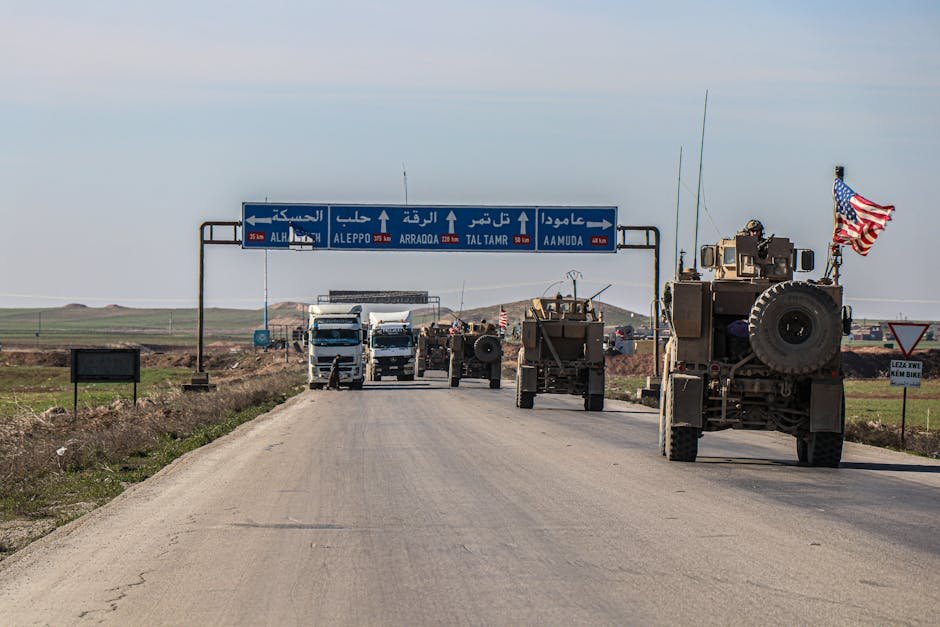
The Context of Escalating Tensions in the Middle East
The ramifications of this Israeli incursion into Lebanon cannot be overstated. For decades, the Middle East has grappled with a volatile mix of historical grievances, territorial disputes, and religious tensions that fuel animosity between nations and factions. The timing of this operation speaks volumes: it’s an act of desperation from Israel, facing internal dissent and external pressures. Meanwhile, Hezbollah, still reeling from its past confrontations with Israel, is now forced into a corner, positioning itself as the region’s protector against Israeli aggression.
This latest development is a strategic gamble for both parties. Israel seeks to assert its military dominance and quell threats from Hezbollah, while the latter aims to rally regional support and solidify its stance as a defender of Lebanese sovereignty. However, this escalatory tactic may provoke a backlash, igniting more widespread conflict than either side anticipates.
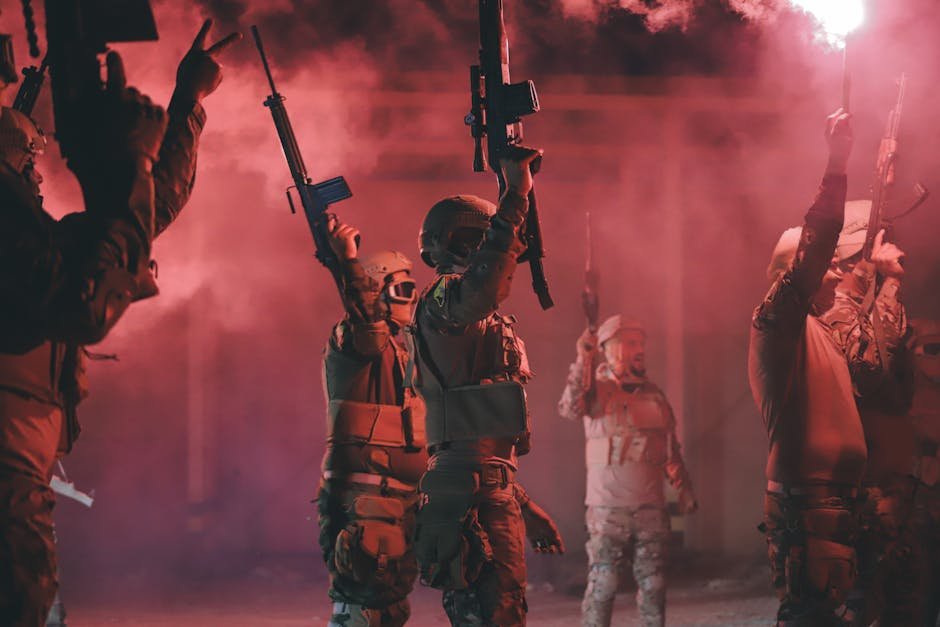
The Stakes of the Israeli Ground Offensive
The winners and losers of this offensive are difficult to predict. Israel may initially claim tactical victories, but what happens if the conflict spirals out of their control? The potential for regional escalation looms large, with other players like Iran and Syria waiting in the wings. They could leverage this conflict to further their own agendas, sparking a broader confrontation in the Middle East that no one wants but everyone fears.
Moreover, the mainstream media often glosses over the human cost of such military actions. Civilians bear the brunt of these escalations. Cities become battlegrounds, and communities are shattered. As the international community watches warily, it’s imperative to ponder: are we merely spectators in a tragic play that we could help rewrite?
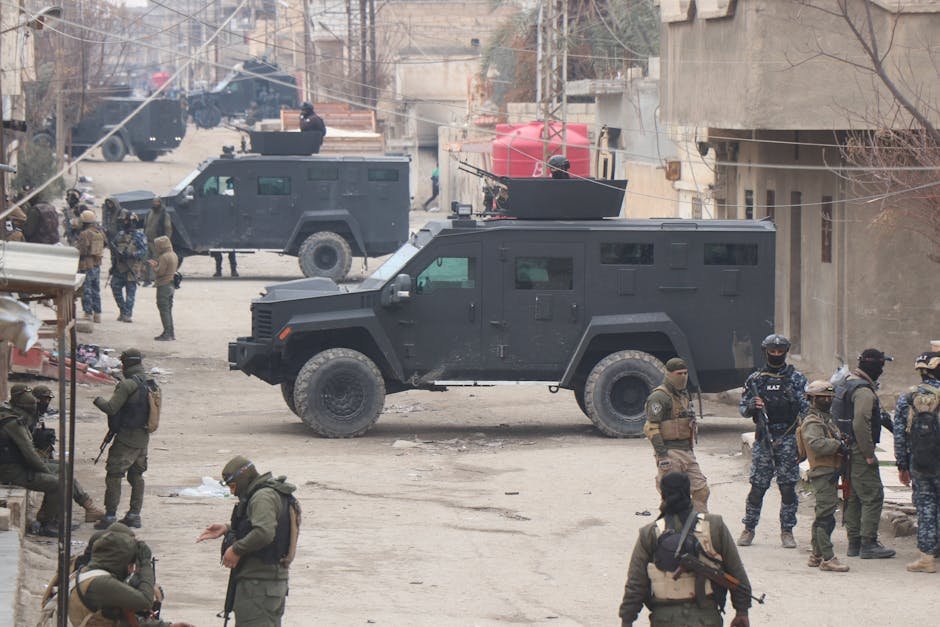
The likelihood of international intervention remains a wild card in this high-stakes game. While many nations call for restraint, the geopolitical chessboard is intricate. Sanctions, arms deals, and alliances may shift in response to this latest provocation. The U.S. and its allies, while vocally supporting Israel, must consider the repercussions of unchecked aggression.
As this conflict evolves, we find ourselves at a crossroads. Will the Middle East be plunged deeper into chaos, or will cooler heads prevail? Peace might be an elusive dream, but if history has taught us anything, it’s that the path to resolution is fraught with peril.
In times like these, it’s vital to remember: the price of silence is often the blood of innocents. As the Middle East continues to burn, we must ask ourselves: who will step up to extinguish the flames, and at what cost?
Source: Google — Middle East