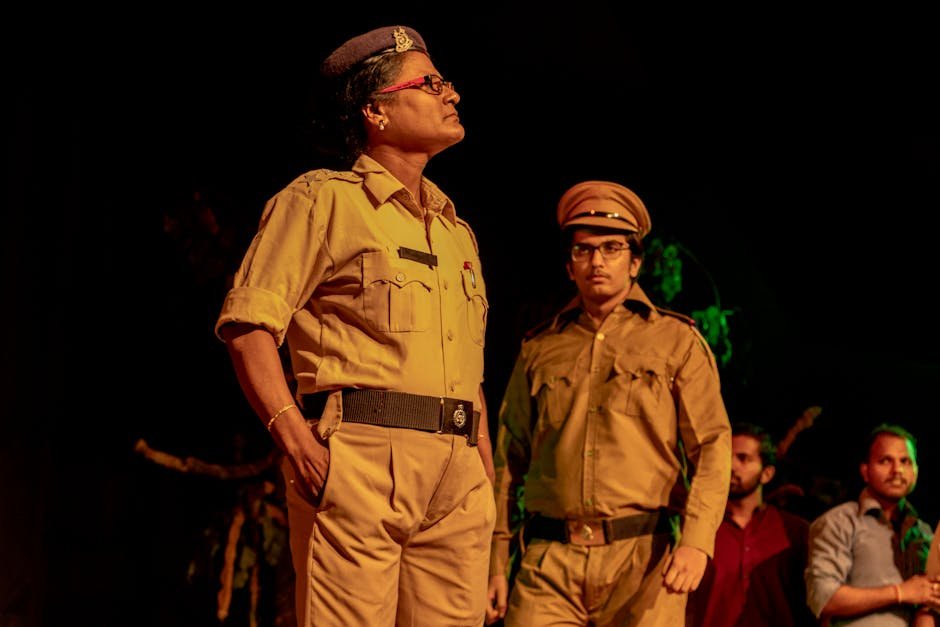
Is there anything more deliciously scandalous than the elite of South Asia being unceremoniously shown the door? One of India’s most prestigious private clubs, the India International Centre, stands on the brink of eviction, and the reaction from Delhi’s elite is nothing short of theatrical. According to The Guardian, the club is embroiled in a bitter dispute over its lease, threatening to shatter its 50-year legacy of exclusivity and power.
The Eviction Drama in South Asia
The India International Centre, a sanctuary for artists, intellectuals, and the political elite, is now facing eviction due to a controversial land lease dispute. The Delhi Development Authority claims that the club has made unauthorized alterations to its premises, an assertion the club vehemently denies. This clash over real estate is more than just about bricks and mortar; it’s about the very social fabric of South Asia’s upper crust.
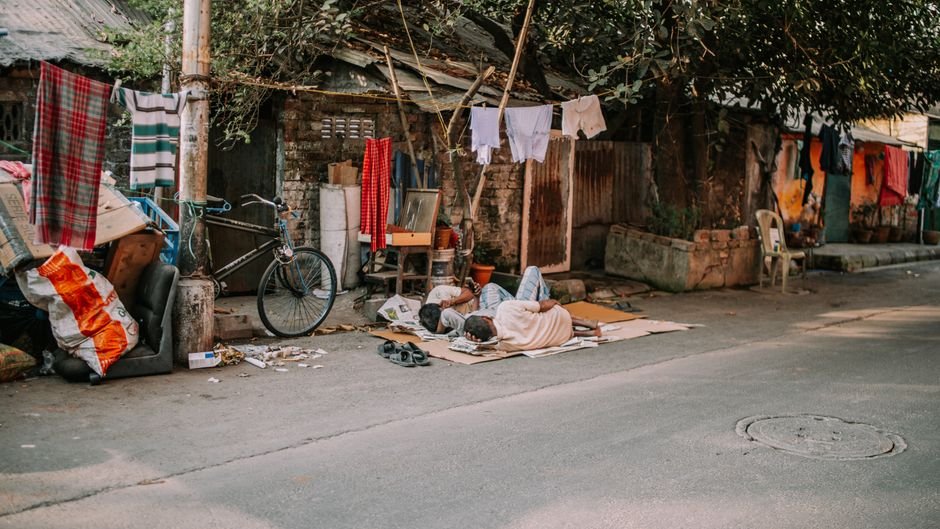
As the situation unfolds, it’s become clear that this isn’t merely a legal battle. It’s a clash of cultures, a fight between the privileged status quo and the encroaching realities of governance and urban development. The club has long been a playground for the powerful, a space where decisions that shape the nation are whispered over cocktails. However, the winds of change are blowing hard against the old guard, and the chorus of voices advocating for reform and transparency is growing louder.
The Stakes for South Asia’s Elite
What’s at stake here isn’t just the loss of a venue; it’s the potential unraveling of a tightly knit community that has thrived in the shadows of India’s political and social upheavals. If the eviction goes through, it will serve as a stark reminder that no institution, no matter how exclusive, is above scrutiny or accountability. This reality check could plunge the elite into a panic, pushing them to reconsider their places within a society that is rapidly changing.
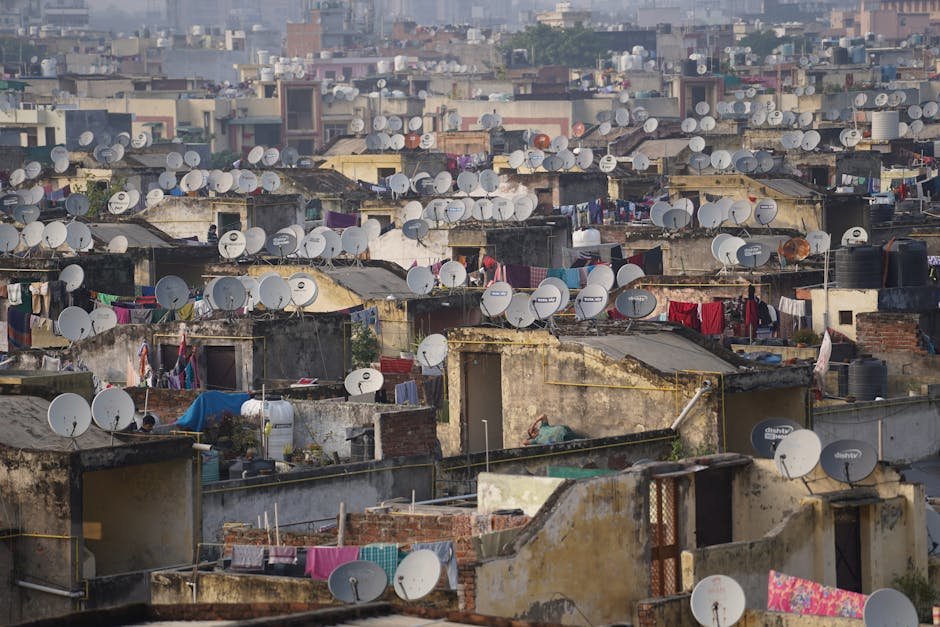
Moreover, the implications extend beyond the club itself. It raises critical questions about land use, urban rights, and the ongoing struggle for power in South Asia. Who has the right to dictate the usage of land in one of the planet’s most densely populated regions? The elites, or the citizens whose lives are affected by their choices? The battle over the India International Centre isn’t just a fight over a building; it’s a reflection of the broader tensions in a country grappling with its identity and future.
The mainstream commentary often overlooks the deeper societal implications of such evictions. While some may dismiss this as just another squabble among the affluent, the underlying issues merit serious consideration. If the elite are not careful, they risk alienating themselves from the very society they claim to represent, as they cling to their privileges while the world around them evolves.
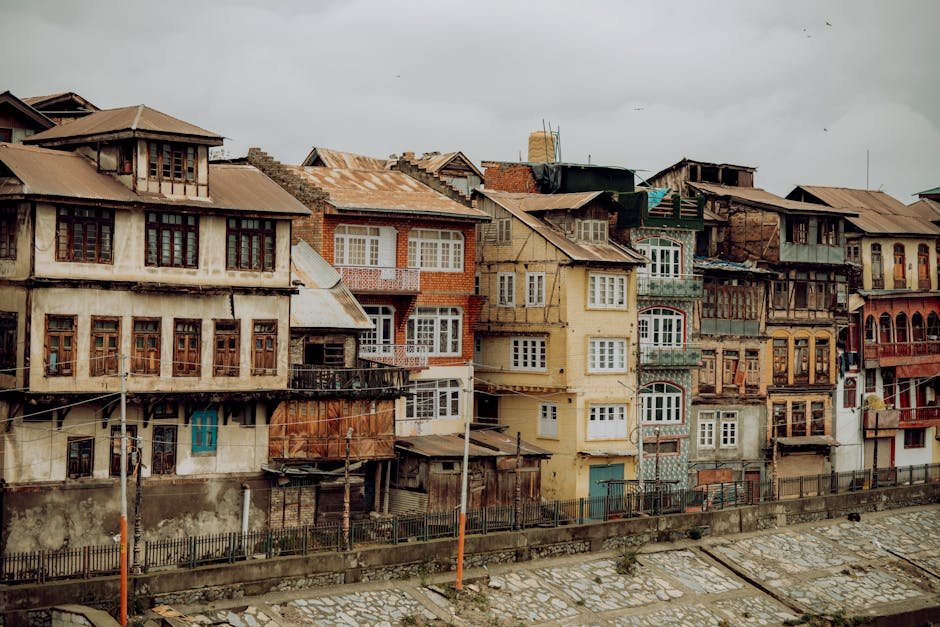
As the dust settles, it may become clear that this incident could serve as a turning point. The eviction of a cornerstone of South Asia’s intellectual and social heritage may embolden movements pushing for more equitable use of land and resources.
With the specter of eviction looming, one must wonder: will South Asia’s elite choose to adapt and engage in the dialogue their position warrants, or will they dig in their heels and risk becoming relics of a bygone era? Time will tell, but one thing is clear — the winds of change are blowing, and they may not be as kind to the privileged as they once were.
Source: Google — South Asia