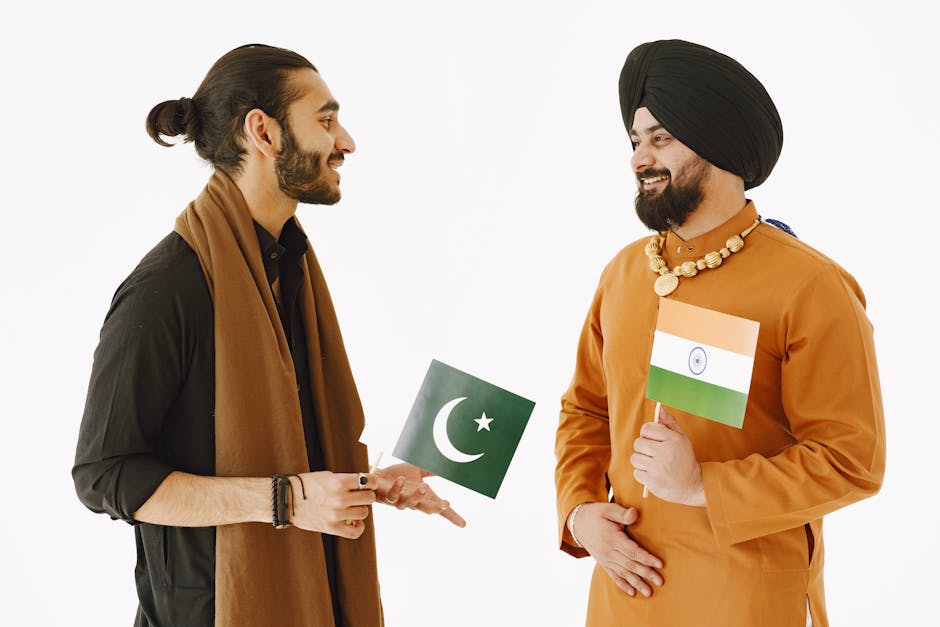
Why does it feel like every attempt at strengthening U.S.-India relations ends in a whimper? Senator Marco Rubio just wrapped up his visit to India, and what do we have to show for it? Nothing substantial — a stark reminder of the deep pitfalls plaguing diplomacy in South Asia.
According to The New York Times, Rubio’s trip yielded no major deals aimed at mending the frail ties between the U.S. and India. This visit was heralded as a pivotal moment to enhance cooperation, yet it appears to have fizzled into mere photo ops and empty rhetoric.
The Current State of U.S.-India Relations in South Asia
This lackluster outcome comes at a critical juncture for both nations, as tensions simmer in South Asia. Historically, U.S.-India relations have been complicated, shaped by geopolitical shifts, trade disputes, and strategic alliances. The ongoing rivalry with China, coupled with India’s aspirations to become a global power, makes this relationship more essential than ever.
However, the reality is that both nations have struggled to align their priorities effectively. While India seeks robust defense partnerships, America often seems preoccupied with its own internal issues and foreign commitments. Rubio’s visit was supposed to rejuvenate discussions on trade, security, and technology, yet it underscored the disconnect that continues to hinder progress.

The Stakes of Failed Diplomacy in South Asia
So, who loses when diplomacy falters? The answer is simple: both nations and, by extension, the broader geopolitical landscape. Without solid agreements and a shared vision, the chances of escalating tensions in South Asia grow. An unstable India could have ripple effects across neighboring countries, shaking the very foundations of regional security that the U.S. seeks to stabilize.
Furthermore, this failed visit highlights a glaring truth: America’s approach to South Asia is often reactive rather than strategic. Rubio’s underwhelming trip serves as a warning that unless the U.S. commits to serious engagement, it risks ceding influence to rival powers like China and Russia, who have been eager to capitalize on India’s frustrations with Washington.
The mainstream narrative often paints a rosy picture of U.S.-India relations, celebrating symbolic gestures while glossing over substantive issues. However, there’s nothing symbolic about the consequences of continuous neglect. If Rubio’s visit is any indication, the U.S. might just be riding on the coattails of nostalgia, hoping for a partnership that remains largely aspirational.
As we look towards the future, the critical question looms: what will it take for these two countries to finally align their goals in South Asia? If this visit is any indication, it may require more than just handshakes and mutual admiration. It calls for a bold reevaluation of priorities and a commitment to forging real partnerships, not just paper promises.
Source: Google — South Asia