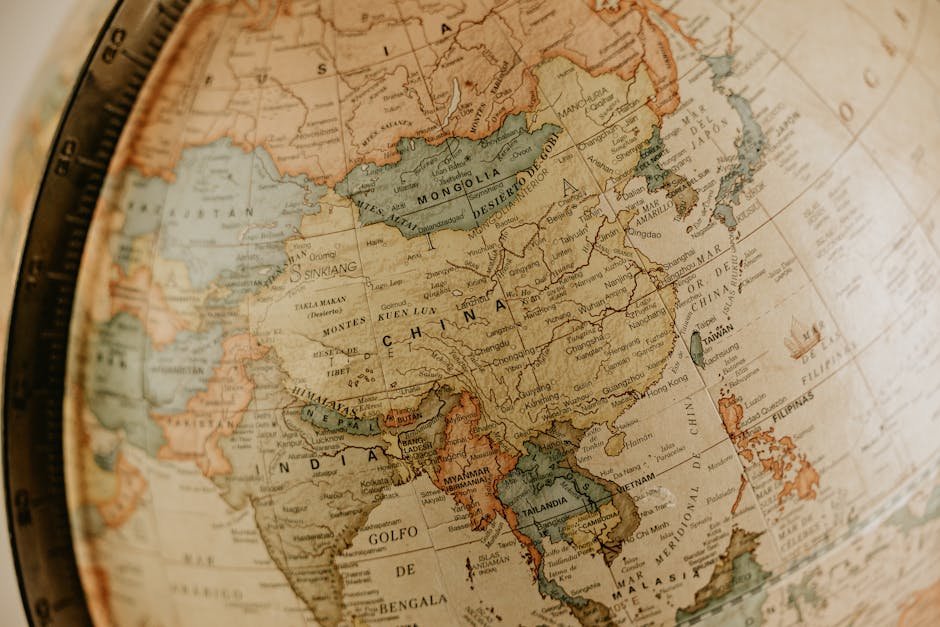
China’s growing influence in South Asia is no longer just a subplot in the global narrative; it’s the main story. Is this shift a game changer or merely a reflection of shifting alliances? According to reports, the economic and military ties between China and Pakistan are deepening, raising eyebrows around the globe.
China and Pakistan are ramping up their collaboration, with recent developments indicating a significant strengthening of their partnership, as highlighted by various news outlets. This relationship is not just about mutual benefit; it reflects a broader geopolitical strategy that could redefine power dynamics in the region.
The Significance of China-Pakistan Ties in South Asia
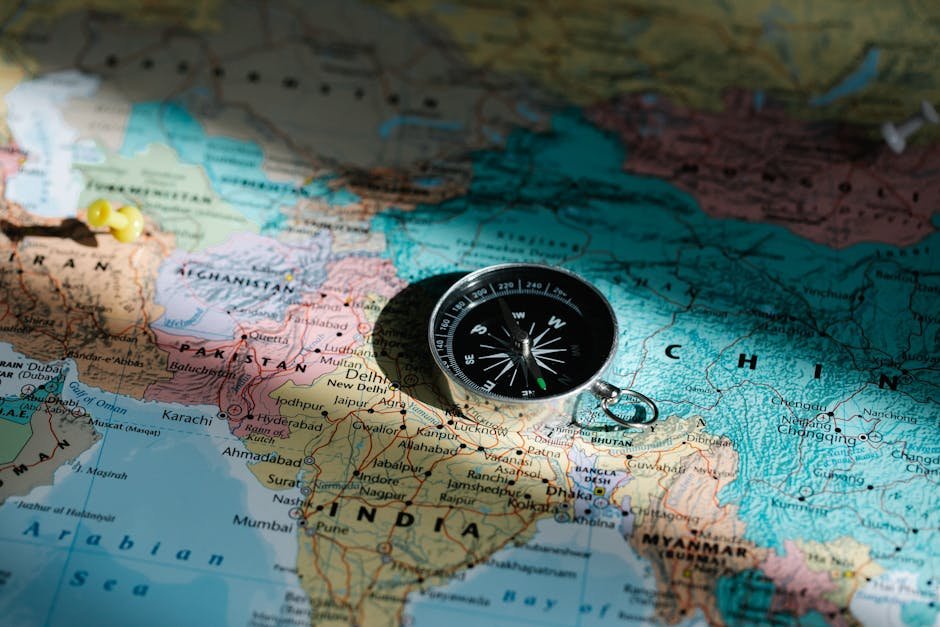
Why does this matter right now? The world is witnessing an unsettling polarization of power, with China making bold moves to assert itself on the global stage. For Pakistan, this partnership comes as a lifeline, especially as it grapples with its own economic challenges and seeks to counterbalance India’s influence in South Asia. The China-Pakistan Economic Corridor, a flagship project of China’s Belt and Road Initiative, has already transformed the landscape, funneling billions into infrastructure and development. However, it also comes with strings attached, as increased dependency on China raises questions about sovereignty and autonomy.
As this partnership evolves, the players involved are crucial. China’s strategic interests in South Asia are clear; it seeks to create a buffer against Western influence and secure its routes for trade and resources. Pakistan, on the other hand, is more than eager to align itself with Beijing as it faces economic woes and security threats, primarily from India. The stakes are high, and the implications of this partnership extend far beyond the borders of these two nations.
Who Wins and Who Loses in the South Asia Power Play?
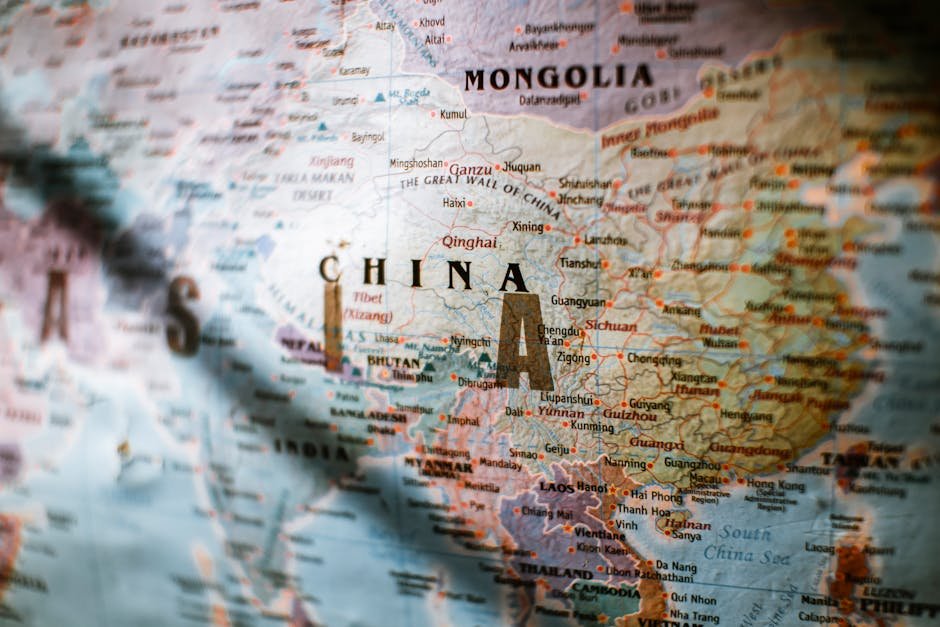
The growing alliance between China and Pakistan poses risks for the region and draws in other global players who are likely to react. The U.S. has already been critical of China’s expanding footprint, which could lead to a more pronounced strategic rivalry. Meanwhile, India, feeling the pressure, will be forced to bolster its own alliances, potentially leading to an arms race or escalating tensions.
What the mainstream narrative often misses is how this partnership isn’t just a straightforward economic deal; it’s a multi-layered strategy involving military cooperation and intelligence sharing. This is where things could go sideways. The potential for miscalculations is high, and with so many players involved, a single misstep could spiral into a crisis.
Critics argue that China’s debt diplomacy could ensnare Pakistan in a cycle of dependency, limiting its ability to act independently on the world stage. This sort of neocolonialism may not be immediately visible, but its consequences could be profound.
The intertwining of economic ties and military strategies in South Asia is an explosive cocktail, one that could shift the global balance of power in the coming years. As these nations forge ahead in unison, the world must watch carefully.
In conclusion, the China-Pakistan partnership is more than a bilateral relationship; it’s a bellwether for the future of South Asia and global geopolitics. As we move forward, will this alliance lead to stability or chaos in an already volatile region? Only time will tell, but one thing is clear: the stakes have never been higher.
Source: Google — South Asia