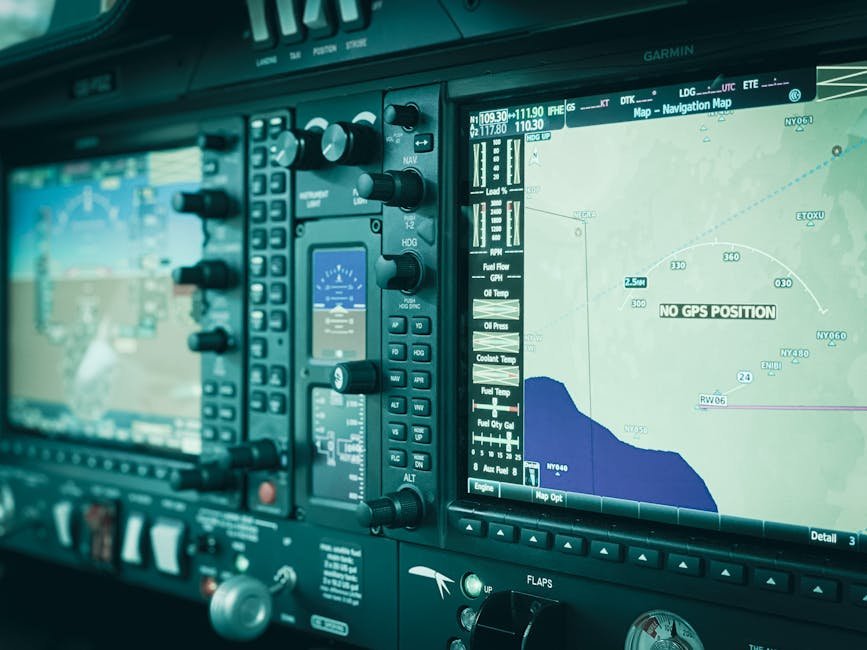
Defence Secretary frames the debate here: What does it mean when a jet carrying the Defence Secretary of the United Kingdom finds itself navigating without GPS? This unsettling incident, which saw the RAF jet’s signals jammed near the Russian border, highlights the growing vulnerabilities and tensions in global airspace.
According to the BBC, pilots were forced to rely on a different navigation system after their GPS was disabled, a chilling reminder of the technological threats that modern military aircraft face today.
The UK’s National Security at Risk
This incident occurs at a time when the United Kingdom is straining against multiple crises, both domestically and internationally. As the government grapples with a volatile economy, rising inflation, and burgeoning political divisions, the stakes for national security have never felt higher. In this high-tension environment, the actions of foreign powers, particularly Russia, cannot be overlooked. With ongoing military actions and a history of aggressive posturing, the Kremlin’s capabilities pose a direct threat to UK interests. The jamming of GPS signals isn’t just a technical glitch; it’s a clear signal of hostile intent.
The pilots’ need to switch to an alternative navigation system illustrates a critical flaw in the UK’s defense strategy. If our military assets cannot rely on their most fundamental navigation tools while in proximity to hostile territories, what does that say about our preparedness? The United Kingdom must confront these emerging threats head-on, rather than engaging in wishful thinking about our technological superiority.

A Signal of Deeper Problems
This incident raises pivotal questions about who truly wins and loses in this diplomatic chess game. In the immediate sense, the Defence Secretary may have narrowly escaped a potential disaster, but this event puts a spotlight on the UK’s defense capabilities. Are we equipped to counter electronic warfare, which is becoming as prominent as traditional military confrontations? The mainstream narrative often overlooks this dimension, focusing instead on visible military deployments while ignoring the invisible battles being waged in cyberspace and through electronic jamming.
If the United Kingdom continues to treat its defense capabilities as secondary to political posturing, we risk making ourselves more vulnerable. The more aggressive Russia becomes, the more the UK must invest in sophisticated countermeasures. Investing in updated technologies for navigation systems and counter-jamming capabilities should take priority. Without a robust response strategy, the next ‘near-miss’ could have far graver consequences.
As we kick off this week, both markets and political winds are restless. The UK’s economic recovery remains precarious, and incidents like this only serve to heighten anxieties about our national security.
So, what does it mean for the United Kingdom when a simple flight can turn into a harbinger of vulnerability? It’s time for leaders to wake up to the reality that the geopolitical landscape is changing. The UK cannot afford to be complacent. Instead, we must prepare for the realities of modern warfare, where the line between peace and conflict is increasingly blurred. Will we rise to the occasion or flounder in our own technological naivety? The clock is ticking.
Source: BBC UK