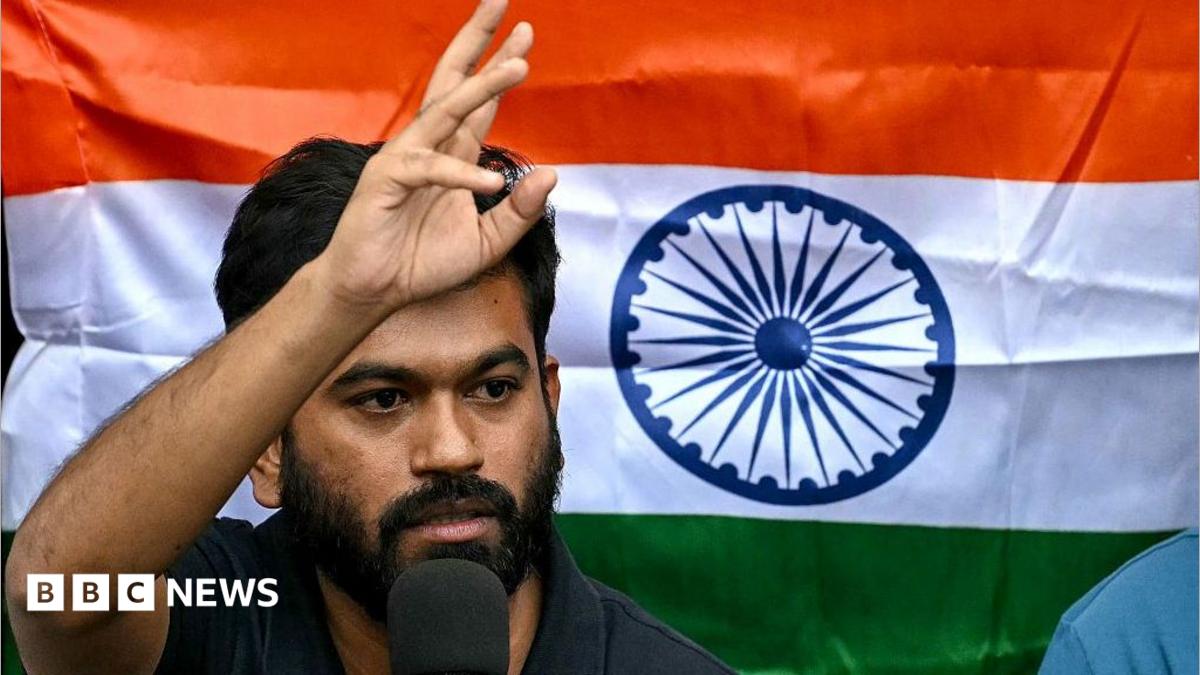
The moment the police dragged the founder of India’s self‑styled “cockroach” party into a Delhi precinct, the city’s street‑style pulse seemed to skip a beat – because a movement that dresses its dissent in graphic tees and reclaimed slogans is suddenly being silenced. India’s youth have never been more fashion‑forward in their protest, yet the state is pulling the plug just as the crowd was about to turn the capital into a runway of resistance.
According to the BBC, the founder was detained on Friday, hours before a planned mass gathering in Delhi that followed a wave of arrests last week and the jailing of two senior activists. The youth‑led movement, which has built its brand around gritty street art and DIY merch, had called for the protest as a direct response to what they describe as a systematic crackdown.
Why the crackdown in India matters now
The significance of this episode stretches far beyond a single arrest. India’s political landscape has long been a tapestry of flamboyant parties, each with its own visual identity – think saffron scarves for the BJP or the green shirts of regional outfits. The “cockroach” party, however, deliberately flipped that script. Its logo – a stylized roach scuttling across a cracked concrete background – has become a badge of resilience for disenchanted millennials who trade in thrift‑store jackets and recycled fabric as symbols of anti‑establishment sentiment. By targeting its founder, the authorities are not just trying to stop a protest; they are attempting to snuff out a cultural aesthetic that has turned dissent into a wearable statement.
The timing is also crucial. The arrests came after a series of high‑profile detentions that saw dozens of activists locked up on vague sedition charges. The two leaders now behind bars were previously hailed as the movement’s intellectual backbone, penning manifestos that read more like fashion manifestos than political tracts – crisp, minimalist, and designed for viral sharing. Their removal creates a leadership vacuum, but it also amplifies the narrative that the state is terrified of a generation that can mobilise a flash mob with a single Instagram story.
India’s law‑enforcement agencies have historically relied on heavy‑handed tactics to quell street protests, from curfews to internet blackouts. Yet the digital age has handed activists a new runway: memes, limited‑edition pins, and hashtag‑driven flash mobs. The “cockroach” party’s appeal lies in its ability to blend protest with pop culture, turning a march into a fashion event where participants sport matching bomber jackets emblazoned with the roach emblem. This hybrid of style and dissent makes the movement harder to suppress because any attempt to silence it risks turning the police into the villains of a viral narrative that spreads faster than any traditional pamphlet.
The hidden stakes behind the protest
What the mainstream coverage often glosses over is the economic undercurrent feeding this cultural revolt. The very fabric of the movement is woven from the threads of a gig economy that leaves young Indians juggling freelance gigs, part‑time retail, and precarious internships. Their wardrobes are a patchwork of second‑hand finds, local designers, and DIY alterations – a visual critique of a consumerist system that promises prosperity yet delivers instability. When the state moves to detain the figurehead of such a movement, it is essentially telling an entire cohort that their aesthetic rebellion is illegal.
On the other hand, critics argue that the “cockroach” moniker trivialises serious political grievances, reducing complex policy failures to a gimmick. They warn that style‑driven activism can become a fleeting trend, more about Instagram likes than structural change. In fact, the BBC notes that the protest was intended to spotlight specific legislative proposals that threaten student loan reforms and labor rights. If the authorities succeed in framing the movement as a fashion fad, they may deflate its political potency while preserving the status quo.
Nevertheless, the stakes are high for both sides. For the state, a successful protest could embolden other youth collectives to adopt similar aesthetic tactics, turning street dissent into a fashion industry of its own. For the activists, the loss of their founder is a rallying point – a martyrdom that could galvanise even larger turnouts, as history shows that attempts to silence a charismatic leader often backfire. The upcoming protest, even if reduced in numbers, will likely be a tableau of coordinated outfits, each participant a walking billboard for resistance.
In the end, the clash is not merely about a single arrest; it is about who gets to write the visual language of dissent in India. Will the police manage to strip the movement of its stylistic armor, or will the roach‑clad crowd turn the streets into a catwalk of defiance, forcing the government to confront a new kind of protest that can’t be silenced with handcuffs alone? The answer will shape not just the next protest, but the very texture of political expression in a country where style and substance are finally colliding.
Source: BBC Asia