
The United Kingdom’s decision to blacklist products from Israeli settlements has sent a tremor through the West Bank’s date orchards, and the very mention of **Israel** in the debate now feels like a litmus test for anyone who still believes diplomacy can be cleanly separated from occupation.
According to the BBC, the British government announced sanctions that prohibit the import of goods produced in Israeli settlements, prompting a wave of support from Palestinians who see the move as a long‑overdue rebuke of settlement expansion. Israel’s own officials, however, dismissed the policy as “a big mistake” that will only deepen the divide.
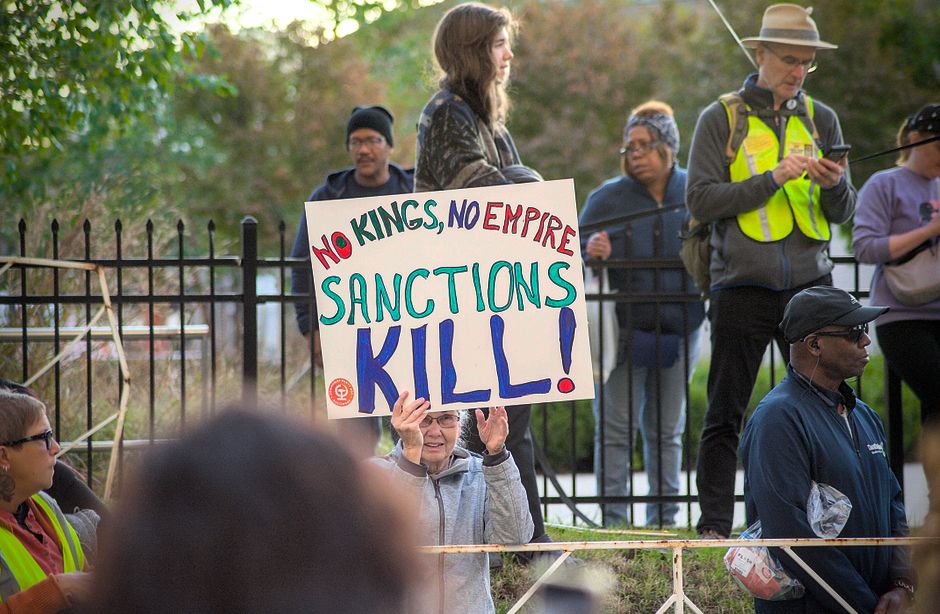
Israel’s diplomatic dilemma over settlement sanctions
The timing of the UK ban could not be more consequential. It arrives as the peace process remains stalled, and as the United States wrestles with its own waning influence in the region. For years, settlement activity has been the most visible symbol of Israel’s de‑facto annexation of the West Bank, and every new outpost has been a diplomatic headache for Western capitals trying to balance strategic ties with human‑rights concerns. The British move therefore forces other allies to confront an uncomfortable question: how long will they tolerate the economic benefits of settlement agriculture while publicly condemning it?
Date farmers in the Jordan Valley, many of whom are Israeli settlers, now face a stark choice. Their centuries‑old groves, prized for producing the region’s most coveted Medjool dates, could be cut off from a lucrative European market overnight. Some argue that the loss of a single export line will not cripple their operations, but the symbolism is undeniable. The ban does more than hit a niche crop; it signals that the international community is willing to weaponise trade to pressure **Israel** on its settlement policy, a tactic previously reserved for more severe sanctions regimes.
The Palestinian public response has been equally decisive. Polls cited by the BBC show overwhelming support for the ban, reflecting a broader frustration with what many see as the West’s double standards. While European nations have long criticized settlement expansion in diplomatic forums, concrete action has been rare. This new policy therefore serves as a litmus test for the credibility of those criticisms. If the UK can follow through, it may embolden other states to adopt similar measures, potentially reshaping the economic landscape of the occupied territories.
Yet the Israeli government’s reaction underscores a deeper strategic calculus. By labeling the sanctions a “big mistake,” Jerusalem is not merely defending its agricultural sector; it is signaling to its domestic constituency that any external pressure will be met with defiance. This rhetoric aims to rally nationalist sentiment, especially ahead of upcoming elections where settlement support remains a potent political currency. In that sense, the British move may unintentionally strengthen the very forces it seeks to curtail.

The hidden costs of a bold foreign policy
From a security perspective, the sanctions could have ripple effects that extend far beyond the date palms. First, the economic pinch may push some settlers toward more radical positions, convinced that their livelihood is under siege. Historically, economic grievances have often been a catalyst for increased settlement activity, as communities double down on expansion to secure their claims. Second, the move could strain Israel‑UK intelligence cooperation, a partnership that has been critical for counter‑terrorism efforts across the Middle East. While the UK may view the sanctions as a moral statement, Israel may interpret them as a breach of trust, prompting a recalibration of joint operations.
On the other hand, the policy could also serve as a lever for diplomatic leverage. By targeting a relatively low‑profile commodity, Britain avoids the backlash that would accompany broader sanctions on Israeli technology or defense sectors. This calibrated approach might persuade other European capitals to adopt similar measures without provoking a full‑scale diplomatic crisis. If enough allies join the chorus, the cumulative economic pressure could compel Israel to reconsider settlement expansion, or at least to engage in more earnest negotiations with the Palestinians.
Critics of the ban argue that it punishes ordinary farmers rather than the political elite who design settlement policy. They contend that trade restrictions are a blunt instrument that rarely achieve their intended political outcomes. Moreover, there is the risk that the sanctions will simply shift production to other markets, such as Turkey or Gulf states, diluting their impact. Nevertheless, the symbolic weight of the move should not be dismissed. In international relations, symbolism often precedes substance; a clear signal that settlement goods are no longer welcome on the world stage can reshape narratives and, eventually, policies.
The broader diplomatic picture remains fluid. The United States, still grappling with internal divisions over Middle East policy, has not yet taken a definitive stance on the British sanctions. Meanwhile, the European Union is reportedly reviewing its own trade regulations concerning the occupied territories, a process that could culminate in a coordinated EU response later this year. If these developments converge, the cumulative effect could be a significant tightening of economic levers against settlement activity.
In the end, the fate of a handful of date farms may seem trivial against the backdrop of the Israel‑Palestine conflict, yet it epitomises a larger truth: economic tools are becoming the new battleground where diplomatic victories are claimed. Whether the UK’s gamble will force a recalibration in Jerusalem’s settlement strategy or simply fuel further entrenchment remains to be seen. What is clear, however, is that the conversation about **Israel** and its settlements will now be measured not just in UN resolutions, but in the weight of crates loading onto ships bound for Europe.
The real question for policymakers is not just whether the sanctions will dent the profitability of a few orchards, but whether they will tip the balance toward a genuine, enforceable peace framework—or simply add another layer to an ever‑lengthening list of grievances that keep the region in a perpetual state of tension.
Source: BBC Middle East