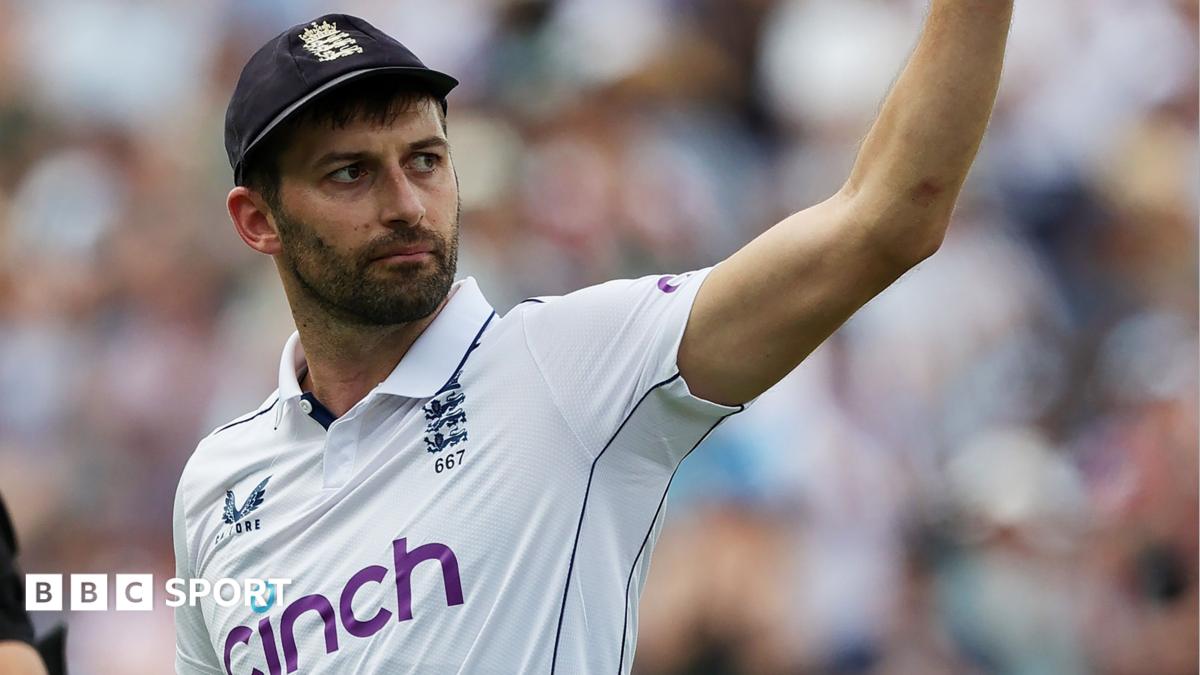
Another one bites the dust. When will the cricketing world admit that the demands placed on its elite athletes are unsustainable, especially for fast bowlers representing England? The constant grind, the relentless pressure, and the sheer physical toll are claiming careers faster than ever.
According to a BBC report, England fast bowler Mark Wood has announced his immediate retirement from international cricket. This decision marks the end of a dynamic career known for its blistering pace and unwavering commitment.
The Unbearable Weight of Representing England
Wood’s retirement is not just another statistic; it’s a flashing red light for the state of modern international cricket. This is a man who consistently bowled at speeds exceeding 90mph, a rare commodity in any era. His unique ability to generate genuine pace made him a crucial asset across all formats for England, particularly in the white-ball setup where his express speed was a genuine wicket-taking threat.
His career, while brilliant in bursts, was also plagued by injuries – shoulder, elbow, side strains, you name it. This isn’t surprising for a fast bowler, but Wood’s consistent returns from the treatment table speak volumes about his mental fortitude and dedication. However, even the toughest eventually reach their breaking point. The relentless international schedule, coupled with the demands of franchise cricket, has created an environment where longevity for pace bowlers feels increasingly like a pipedream.

The sheer volume of cricket now expected from top-tier players is nothing short of ludicrous. From Test matches stretching five days to T20 leagues popping up globally, there’s barely time for recovery, let alone proper rehabilitation. This scenario inevitably forces players to make brutal choices between different formats, their physical well-being, and their financial security. Wood’s decision, therefore, isn’t just a personal choice; it’s a symptom of a much larger, systemic issue that the cricketing establishment, including the England and Wales Cricket Board (ECB), has been slow to address.
The Looming Crisis for Elite Pace
Mark Wood’s departure leaves a gaping hole in England’s bowling attack, one that will be incredibly difficult to fill. His raw pace was a differentiator, a weapon that could change the momentum of a game in an instant. Without him, England’s options for genuine express pace are significantly thinned, putting immense pressure on the remaining quicks to shoulder an even greater burden. This will undoubtedly impact their competitiveness, especially in conditions that demand pace and aggression.
The underlying issue here is not just about Wood, but about how elite cricketers are managed. Are players being treated as commodities, squeezed for every last ounce of performance until their bodies give out? The financial incentives of franchise cricket are undeniable, yet national boards often struggle to match these, creating a tug-of-war for player loyalty and availability. While players have a right to choose their path, the relentless schedule imposed by the International Cricket Council (ICC) and various boards only exacerbates the problem.
This isn’t just about losing a player; it’s about losing a crucial skill set that defines the dynamism of the sport. Fast bowlers are the gladiators of cricket, and their continued early retirements should serve as a wake-up call. The mainstream narrative often glosses over the physical sacrifices, focusing instead on the glamour and big hits. But behind the highlights reel, careers are being cut short, and the quality of international cricket, especially Test cricket, is subtly eroding. This is a loss not just for England, but for the entire game.
How many more Mark Woods will we see hang up their boots prematurely before the powers-that-be acknowledge that the sport is eating its own? The future of international cricket, especially the thrilling spectacle of genuine pace, hangs in the balance.
Source: BBC UK