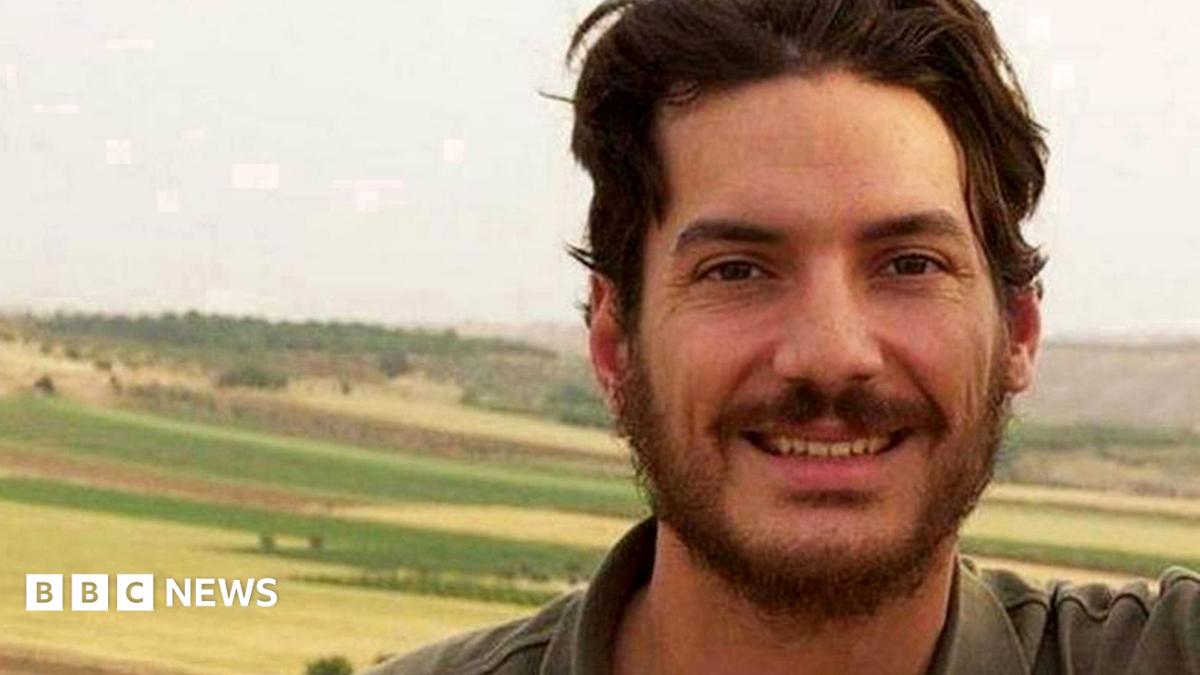
Sometimes, the silence surrounding a disappearance speaks louder than any confession. For over a decade, the fate of American journalist Austin Tice has been one of the most agonizing mysteries in the Middle East, a gaping wound in the already scarred landscape of Syria. Now, new revelations cut through that silence with the brutal clarity of a surgeon’s scalpel, pointing directly to the top: Bashar al-Assad.
According to a BBC investigation, the abduction of Austin Tice was not a rogue operation but a meticulously planned act, personally approved by Syria’s former leader, Bashar al-Assad. This finding, attributed to a source, casts a long, chilling shadow over one of the most enduring unanswered questions in modern journalism.

The Long Shadow of the Assad Regime
Austin Tice, a former Marine captain, was reporting independently from Syria when he vanished in August 2012. He was just 31 years old. His disappearance occurred during the early, chaotic stages of the Syrian civil war, a conflict that would quickly descend into unimaginable brutality, with the Assad regime at its very heart. For years, the U.S. government has publicly and privately pressed Damascus for information, operating under the assumption that Tice was alive and held by the regime or its proxies.
This new report, however, adds a horrifying layer of premeditation to the tragedy. It suggests Tice wasn’t merely caught in the crossfire or held by an opportunistic group. Instead, his capture was a deliberate, high-level decision by Assad’s government, turning a journalist into a pawn in a brutal geopolitical game. The implications of such a calculated move, coming to light now, are profound for the families who have waited in anguish and for the international community wrestling with the continued legitimacy of the Syrian state.

The context here is crucial. The Syrian government has consistently denied holding Tice, even as U.S. officials, including President Biden, have stated with certainty that he is in regime custody. This decade-long dance of denial and accusation has exemplified the opacity and ruthlessness of Assad’s rule. The BBC’s findings, if corroborated, not only confirm the U.S. position but expose the depth of the deception. It highlights a regime willing to exploit the desperate quest for truth by silencing a truth-teller.
The Cost of Calculated Cruelty
This isn’t just a historical footnote; it’s a stark reminder of the perils faced by journalists in conflict zones and the cynical calculus of authoritarian states. If the report holds true, it paints a picture of a regime so confident in its impunity that it would openly target an American citizen, then lie about it for over a decade. Who gains from this information emerging now? Perhaps the families seeking closure, or those in the international arena pushing for greater accountability from Damascus. Who loses? Certainly, the Assad regime, whose already tattered credibility takes another severe blow.

The mainstream narrative often focuses on the broader geopolitical struggles in Syria – the proxy wars, the refugee crisis, the fight against ISIS. What’s often overlooked, or deliberately obscured, is the individual human cost of Assad’s policies, particularly against those who seek to document them. This alleged premeditated abduction isn’t just about one journalist; it’s about the chilling message sent to every reporter considering covering uncomfortable truths in uncomfortable places. It implies that certain regimes view the truth itself as a weapon, and those who wield it as combatants.
Of course, the Syrian government will likely continue its steadfast denials, perhaps casting doubt on the source’s credibility or the BBC’s motives. They might argue it’s a politically motivated smear, designed to undermine their slow re-emergence on the global stage. However, the consistent U.S. stance and the sheer weight of circumstantial evidence have long pointed in this direction. This report merely adds another, incredibly damaging piece to the puzzle, suggesting a direct line from the Syrian secret police to the presidential palace. Such a discovery lays bare the cold, calculating nature of the Assad leadership.
This revelation should force a reckoning, not just for Syria but for any nation that still entertains the idea of normalizing relations with the Assad regime. The deliberate targeting of a journalist, followed by years of stonewalling, is not merely a crime against an individual; it is an assault on the very principles of press freedom and human dignity. It’s a testament to the fact that some regimes operate beyond the pale, where the rule of law is a suggestion, and human lives are mere bargaining chips.
The silence around Austin Tice has been deafening. Now, the alleged truth behind it is emerging, a testament to the relentless pursuit of justice. The question remains: What will the world do with this knowledge about Assad and his regime? Will it finally lead to his freedom, or merely confirm the brutality we already knew existed?
Source: BBC Middle East