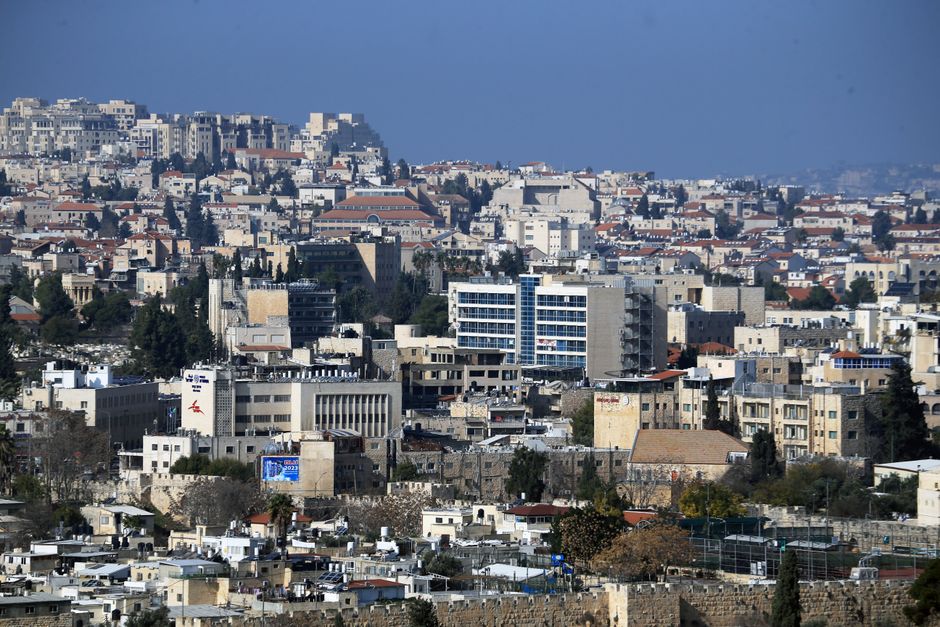
Another line in the sand, or perhaps, another brick in the wall: **Israel** has completed its systematic dismantling of UNRWA’s presence in East Jerusalem. This isn’t just about a single building; it’s a calculated escalation, a deliberate move to erase an enduring symbol of Palestinian identity and international responsibility in a contested city. The silence from some corners, and the muted condemnations from others, speak volumes about the eroding landscape of international law and humanitarian principles.
According to the BBC Middle East, Israeli authorities have seized an UNRWA training college in East Jerusalem. This decisive action effectively shutters the last facility operated by the Palestinian refugee agency in that part of the city, following a new Israeli law specifically targeting its operations. The move signals a dramatic shift in the humanitarian and political battleground.
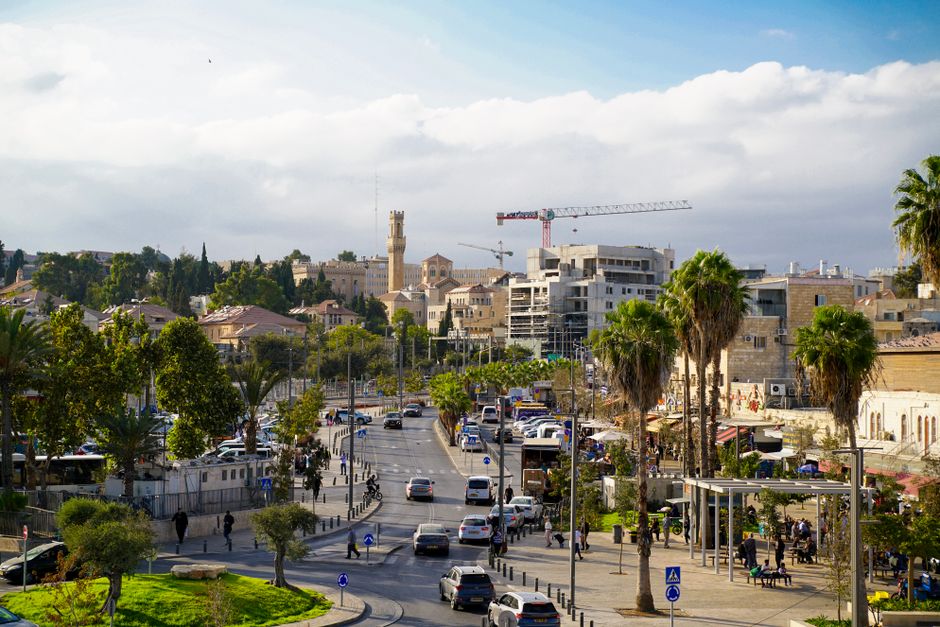
Israel’s Strategic Pursuit in East Jerusalem
To understand the weight of this seizure, one must grasp the delicate, often explosive, status of East Jerusalem. Since its occupation in 1967, Israel has progressively asserted its sovereignty over the entire city, a claim not recognized by most of the international community. East Jerusalem remains the envisioned capital of a future Palestinian state, making any move to alter its demographic or institutional landscape acutely sensitive. UNRWA, the United Nations Relief and Works Agency for Palestine Refugees in the Near East, was established in 1949. Its mandate is to provide essential services — education, healthcare, social support — to millions of Palestinian refugees across the region, including in East Jerusalem.
For decades, UNRWA’s presence has been a thorn in Israel’s side. From Israel’s perspective, the agency perpetuates the refugee issue rather than solving it, effectively maintaining the narrative of a “right of return” for Palestinians displaced in 1948. Critics of UNRWA, including many in Israeli political circles, also frequently allege its facilities or staff have ties to militant groups, though such claims often lack conclusive independent verification. Meanwhile, for Palestinians, UNRWA is far more than a service provider; it’s a vital lifeline and a powerful symbol. Its blue flag represents the international community’s recognition of their refugee status and their fundamental rights, including the hope of return. Therefore, eliminating UNRWA’s physical presence is not merely an administrative decision; it’s a profound political statement, aimed at reshaping the reality on the ground and diminishing the international profile of the Palestinian cause. The recently passed Israeli law against the agency provided the legislative cover for this final, sweeping action.
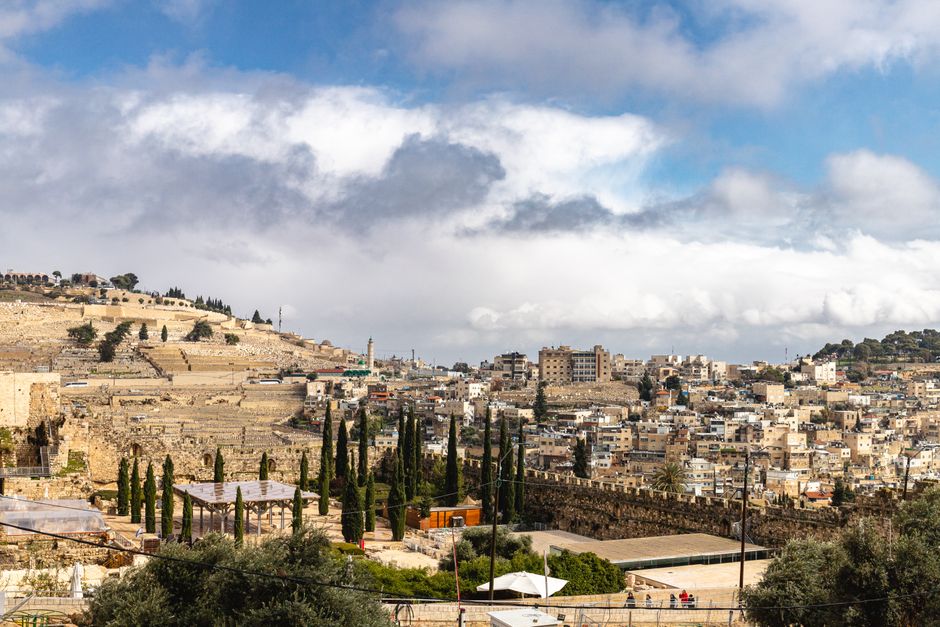
The Unseen Stakes of UNRWA’s Demise
The implications of this seizure stretch far beyond the walls of a single college. When Israel systematically removes UNRWA facilities, it creates a vacuum of services. Who will educate the children? Who will provide healthcare to the vulnerable? While Israel might contend its own municipal services could step in, the reality for Palestinian residents in East Jerusalem often involves systemic discrimination and underfunding of their neighborhoods. The humanitarian consequences are therefore immediate and severe. Moreover, the long-term political impact is even more concerning. This move is a clear assertion of Israeli control, reinforcing the narrative of a unified Jerusalem under exclusive Israeli sovereignty. It pushes the goal of a two-state solution further out of reach, making any future division of the city appear less feasible.
The mainstream narrative often focuses on the immediate political friction. What it misses, however, is the quiet, grinding erosion of hope and dignity for an entire population. This isn’t just about a territorial dispute; it’s about the very fabric of life for thousands of people. Removing UNRWA’s infrastructure means dismantling a crucial part of the social safety net, leaving vulnerable communities even more exposed. Critics might argue that Israel has a right to assert its sovereignty. However, international law also mandates an occupying power to ensure the welfare of the occupied population. When an international humanitarian agency is forcibly removed, and no adequate alternative is immediately and equitably provided, it raises serious questions about those responsibilities. The world must recognize that the closure of this last UNRWA facility is not an isolated incident; it’s a deliberate, strategic step in a much larger campaign to unilaterally determine the future of East Jerusalem, regardless of international consensus or the human cost. The precedent it sets is chilling for any agency operating in contested territories.
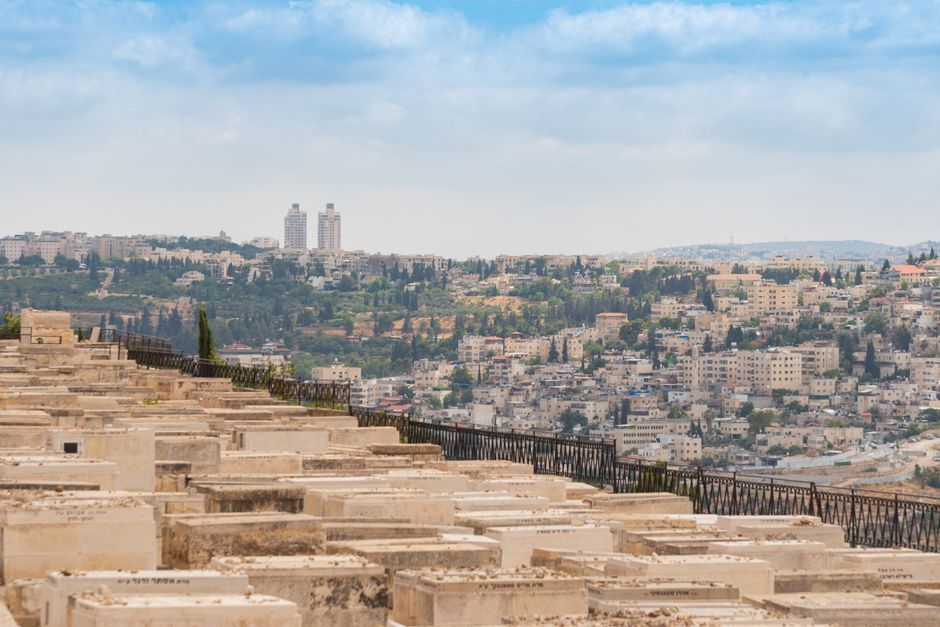
This final act against UNRWA in East Jerusalem is more than just the shutting of a school; it’s a statement. It declares, in no uncertain terms, that one side is determined to redraw the map, institution by institution, until the landscape reflects its singular vision. The question that remains is not if the world will condemn it, but whether that condemnation will ever translate into meaningful action before the last vestiges of international protection for Palestinians in East Jerusalem are swept away entirely.
Source: BBC Middle East