The recent statements from Dhaka regarding a potential defence pact with Riyadh, Islamabad, and Ankara are less a trial balloon and more a diplomatic flare, shining a harsh light on **Bangladesh**’s evolving geopolitical calculations.
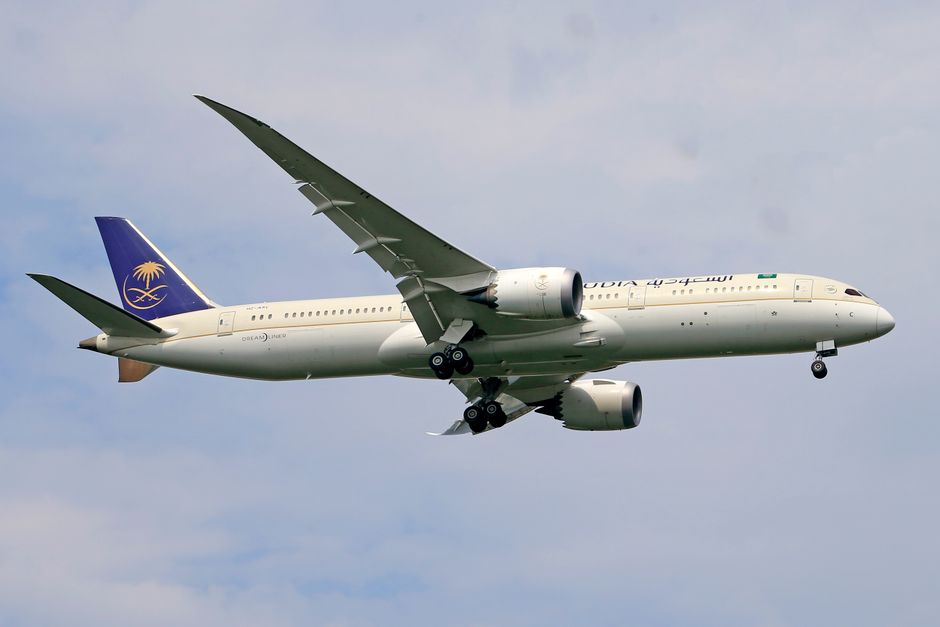
The *Business Standard* reports that two junior ministers from Bangladesh have openly declared the nation’s interest in joining the new defence alliance forged between Saudi Arabia, Pakistan, and Turkiye. This significant development, coming barely two weeks after the alliance’s formation in Makkah on August 7, places Bangladesh squarely in a new, potentially contentious, regional grouping.

The context is crucial: a newly minted alliance of three significant Muslim-majority nations, and now a fourth, strategically important South Asian country, expressing eagerness to sign on. While the ministers were careful to frame any such decision as being “guided by the country’s national interests,” the mere public articulation of this openness marks a notable shift in Dhaka’s traditionally cautious foreign policy posture.
What landed
What landed, unequivocally, was the signal itself: Bangladesh is looking beyond its traditional alignments. The explicit declaration of being “open to joining” an alliance that includes Pakistan — a country with a complex and often fraught history with Bangladesh — and Turkiye, an increasingly assertive regional player, is a bold move. It suggests Dhaka is actively recalibrating its strategic partnerships in a rapidly shifting global landscape.
The reported statements, even from junior ministers, serve as a potent message to both existing allies and potential adversaries. It implies a readiness to engage with new blocs and to explore security arrangements that might previously have seemed improbable. This isn’t mere diplomatic chatter; it’s a public exploration of options that could reshape South Asian dynamics, even if the specifics remain shrouded in the usual diplomatic fog. For a country that has carefully balanced its relationships with major powers, this overt expression of interest in a nascent defence pact signals a new chapter in its foreign policy playbook.
What doesn’t add up
While the statement landed with a certain weight, much of its substance remains frustratingly ethereal. The *Business Standard* report attributes the openness to “two junior ministers,” a framing that immediately raises questions about the official weight and finality of the declaration. Why not a senior cabinet member? Why the apparent strategic ambiguity? This could be a calculated trial balloon, designed to gauge reactions from Beijing, Delhi, and Washington without fully committing the government’s prestige.

The ministers’ insistence that any decision would be “guided by the country’s national interests” is, frankly, boilerplate diplomacy. It’s a phrase so broad and universally applicable that it renders itself almost meaningless. What *specific* national interests are at play here? Is it about bolstering security against a perceived threat, enhancing military capabilities, or leveraging new economic opportunities within this potential bloc? The absence of concrete details leaves analysts to speculate wildly, suggesting either a lack of internal consensus or a deliberate strategy to maintain maximum flexibility.
Furthermore, the nature of the Saudi Arabia-Pakistan-Turkiye alliance itself remains somewhat opaque. Is it primarily a military pact, an economic bloc, or a grouping based on shared Islamic identity? Without clarity on the alliance’s core objectives, Bangladesh’s stated willingness to join seems based on an unarticulated understanding. This lack of specificity from Dhaka, coupled with the choice of messengers, feels more like an exploratory gambit than a firm foreign policy directive. It leaves ample room for backtracking, should the international reception prove less than favourable.
Come Monday morning, regional capitals will undoubtedly be buzzing with interpretations of Dhaka’s latest diplomatic manoeuvre. India, a traditional ally, will be watching closely for signs of shifting allegiances. China, a major investor and strategic partner, will be assessing how this new alignment impacts its own regional ambitions. For Bangladesh, this public flirtation with a new defence pact opens a Pandora’s Box of possibilities and complexities, forcing a re-evaluation of its place in a rapidly reconfiguring world order, all while leaving the precise motivations conveniently undefined.
Source: OnTheRecord