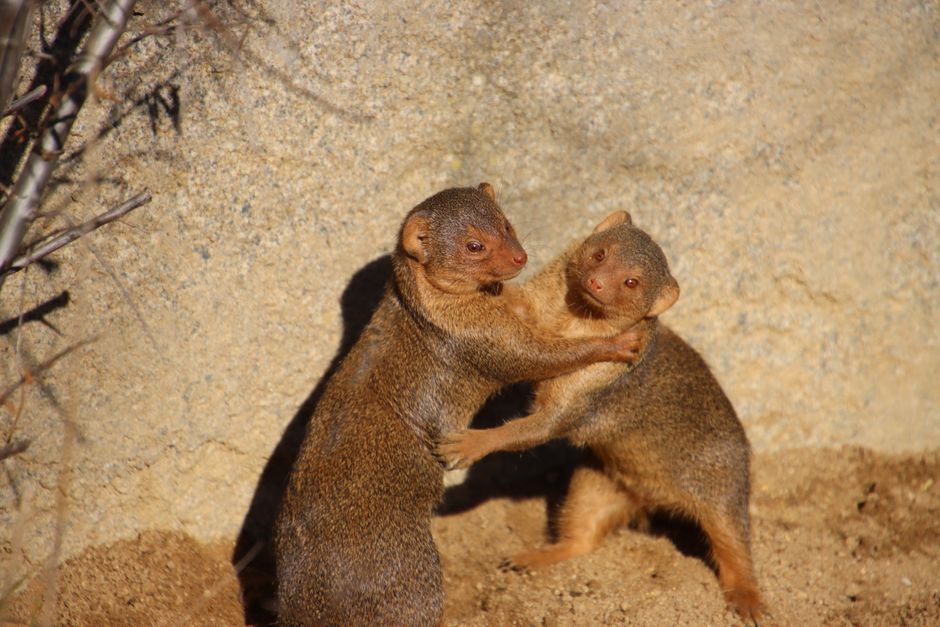
What happens when humans play God with delicate ecosystems? In Japan, the answer was a decades-long ecological war, finally declared victorious against an enemy we ourselves created. It’s a classic cautionary tale, one that serves as a stark reminder of humanity’s often-shortsighted approach to the natural world.
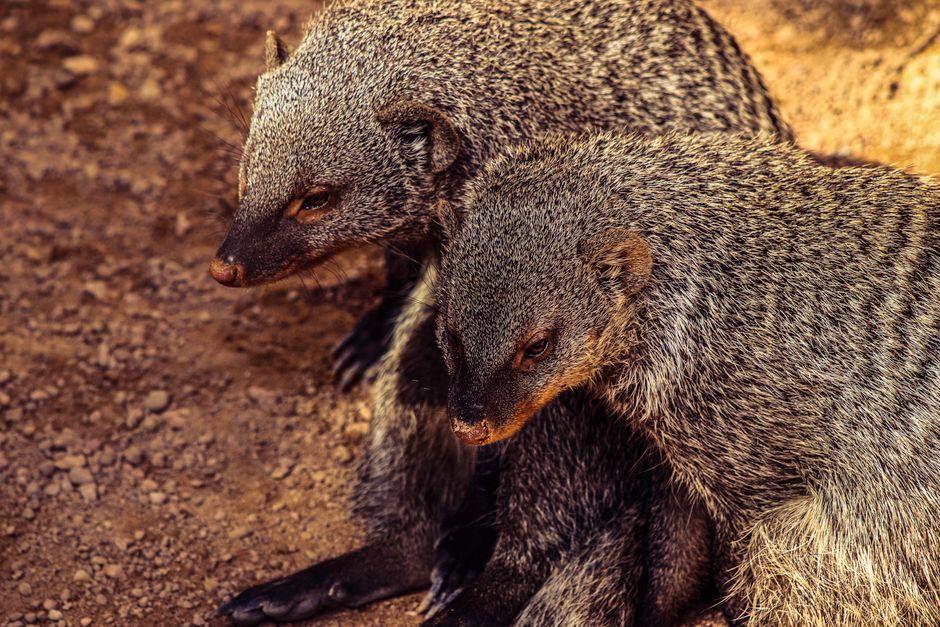
According to the Times of India, roughly 30 small Indian mongooses were introduced to Japan’s Amami Oshima island in 1979. Their mission: to control the local habu snake population. However, this seemingly clever solution spiraled, with the mongoose population exploding to an estimated 10,000, becoming a grave threat to the island’s rare indigenous wildlife. After decades of relentless trapping, tracking, and monitoring, Japan officially declared the invasive mongooses eradicated in 2024.
The Cost of Ill-Considered Introductions
This isn’t merely a local victory; it’s an environmental landmark. The island of Amami Oshima, a UNESCO World Heritage site, faced an existential threat to its unique biodiversity. The mongooses, far from their intended target, decimated populations of indigenous birds, reptiles, and amphibians, pushing several species to the brink. This declaration of eradication positions Japan’s program among the largest and most successful mongoose eliminations observed globally.
The journey to this success was long, arduous, and incredibly expensive. It required sustained political will and significant financial investment over many years. This commitment highlights the monumental effort needed to correct even seemingly minor ecological miscalculations. In a world grappling with escalating environmental crises, the Amami Oshima project stands as a testament to what focused conservation efforts can achieve, but also to the profound damage that can be inflicted by human intervention gone awry.
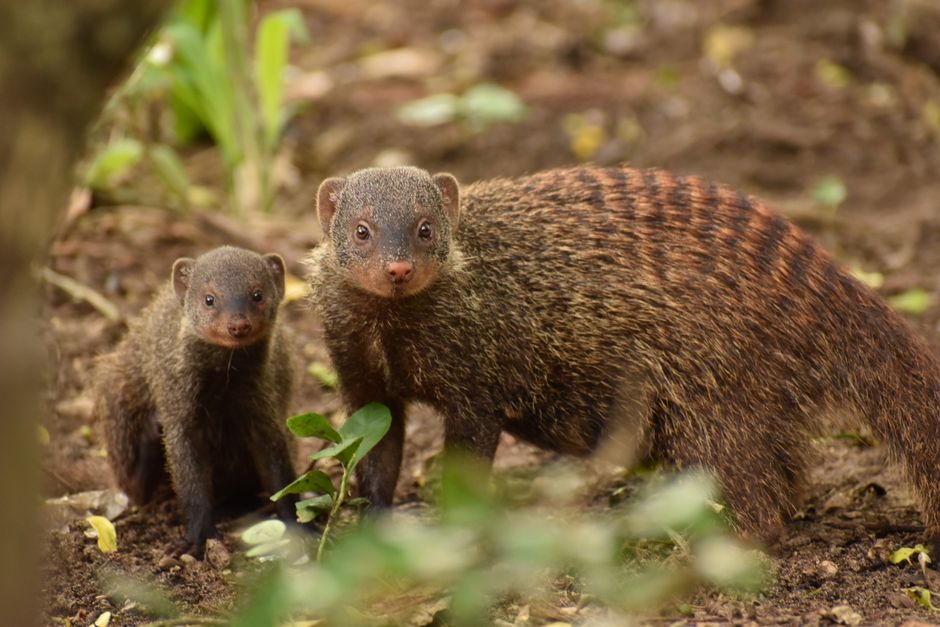
The initial decision to introduce an alien species was born from a desire for a quick fix. Instead of understanding the complex predator-prey dynamics of the local ecosystem, authorities opted for what appeared to be a simple, biological solution. This strategy, tragically common throughout history, frequently overlooks the intricate web of life, leading to unintended and often disastrous consequences. The story of the cane toad in Australia, or indeed the rabbit in countless territories, echoes this same naive optimism.
Eradication: A Pyrrhic Victory?
While celebrating the eradication is natural, we must ask: Is this truly a victory, or merely a cleanup operation for a self-inflicted wound? The original problem – habu snakes – was replaced by a far greater one, requiring decades of intensive effort. Who truly wins here? The surviving native species, undoubtedly. But the mongooses, through no fault of their own, were condemned to eradication because of human error. This is the uncomfortable truth: sometimes, our best intentions pave the road to ecological destruction.
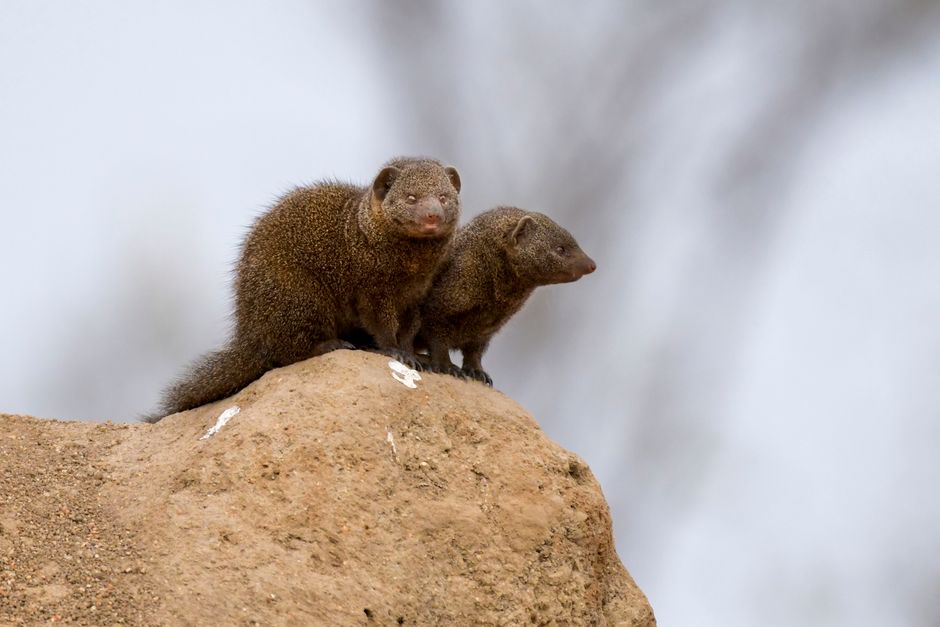
The mainstream narrative often focuses on the “success” of eradication without fully interrogating the original sin of introduction. This isn’t just an abstract ecological lesson; it has tangible implications for future policy and investment. How many more resources will be diverted to fixing problems that could have been avoided with greater foresight? Governments globally, as they consider their policy agendas for the week ahead and beyond, should be taking notes. The economic and social stakes of environmental blunders are immense, requiring long-term vision, not just reactive clean-up.
This saga underscores the critical need for comprehensive ecological impact assessments before any such biological interventions are considered. It’s a call for humility in the face of nature’s complexity. The technology and expertise deployed to track and trap every last mongoose were impressive, but imagine if that same ingenuity had been applied to understanding the ecosystem *before* the first mongoose ever set foot on Amami Oshima. The market for environmental solutions and monitoring will certainly grow from such lessons, but the preventative measures should always come first.
This “victory” is a stark reminder that some ecological wounds never truly heal without immense sacrifice. The cost, in terms of time, money, and the lives of both native and invasive species, is staggering. Will we ever learn to respect the delicate balance of nature, or are we doomed to repeat the cycle, forever cleaning up the messes born from our own hubris?
Source: Times of India