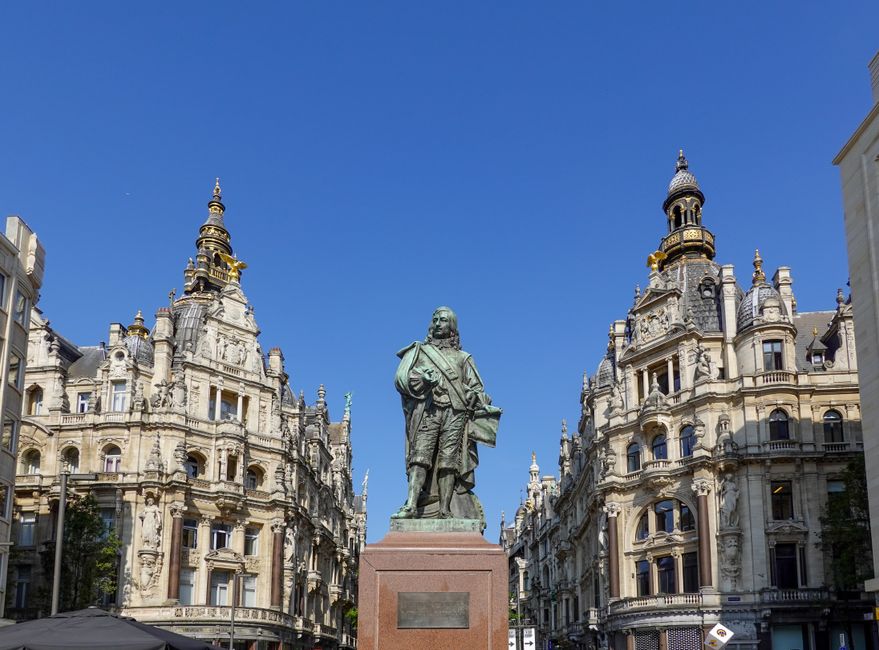
Some ghosts never truly rest. They simply wait for the living to finally acknowledge their presence, their suffering. In 1894, the vibrant Belgian city of Antwerp hosted a spectacle of dehumanization that still casts a long, dark shadow. The recent unveiling of a monument to its victims forces us all to confront a deeply uncomfortable truth about history and memory.
According to a France 24 report, more than a hundred Congolese people were forcibly brought to Antwerp for exhibition at the World’s Fair’s Congo Pavilion. This grotesque “human zoo” saw seven Congolese men tragically die from disease, a chilling testament to the era’s racist brutality. This shocking episode remains one of the darkest chapters in Belgium’s colonial history.
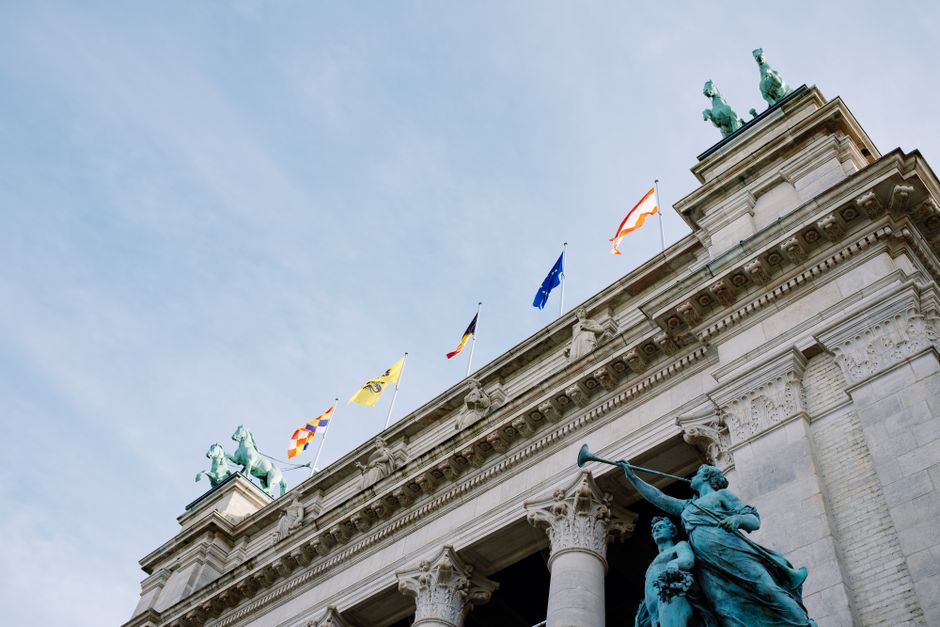
Antwerp’s Enduring Colonial Shame
This isn’t merely a historical footnote; it’s a living wound. The decision to finally unveil a monument to these victims in Antwerp in 2026 is a significant moment, yet it also begs the question: what took so long? For decades, Belgium has struggled, often inadequately, to reconcile with the horrific legacy of its colonial empire, particularly the reign of terror under King Leopold II in the Congo Free State. Millions perished under his brutal regime, exploited for rubber and ivory, suffering atrocities that shock the modern conscience. The human zoo in Antwerp was not an isolated incident but a public spectacle, a microcosm of the wider dehumanization inherent in colonial ambition.
This belated recognition comes amid a broader global reckoning with colonial pasts and systemic racism. Activist movements and academic scholarship have relentlessly pushed for transparency, reparations, and genuine apologies. The monument serves as a powerful reminder that the ‘civilized’ West actively participated in and profited from the degradation of entire peoples. It highlights a period when the very notion of ‘humanity’ was selectively applied, paving the way for unspeakable crimes. This isn’t just about Belgian history; it’s about a global pattern of exploitation that continues to ripple through contemporary society. The people of Antwerp, like all of Belgium, are now forced to look directly at a mirror that reflects a brutal past.
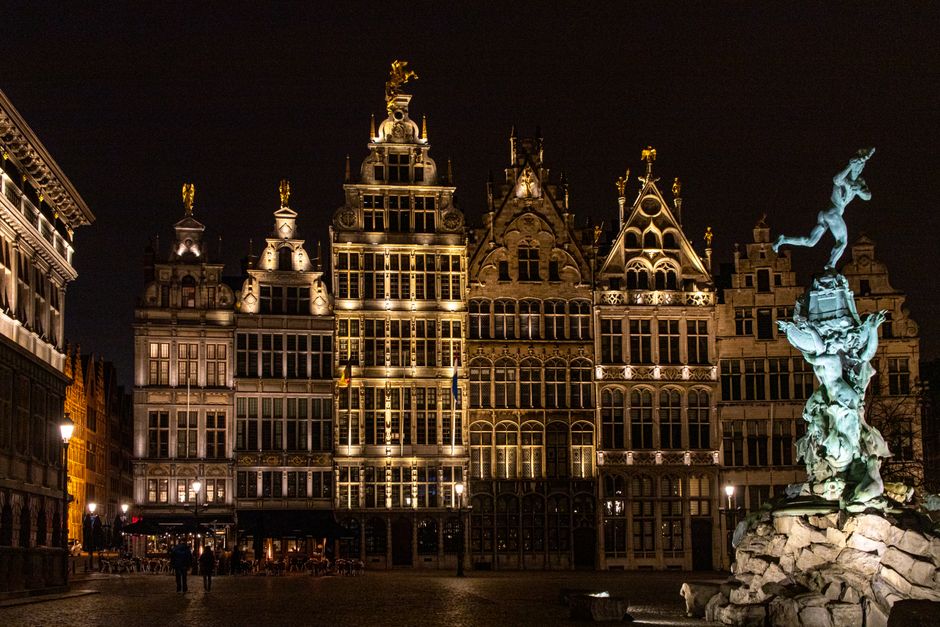
When Acknowledgment Isn’t Enough
Let’s be clear: a monument, while important, is not an endpoint; it’s a starting gun. The unveiling in Antwerp, while commendable as a symbolic gesture, risks becoming a performative act unless it’s accompanied by deeper, more meaningful change. Is Belgium truly confronting its past, or merely curating it into a palatable narrative of belated remorse? The mainstream narrative often celebrates the act of remembrance without delving into the uncomfortable implications for the present. Who truly benefits when a nation “confronts its shame”? Is it the descendants of the victims, or the nation itself, eager to polish its modern image?
True reckoning would involve more than just stone and plaque. It demands a serious conversation about reparations, not just financial, but cultural and educational. It requires an honest audit of how colonial wealth continues to shape Belgian institutions and economy. It means actively decolonizing public spaces, educational curricula, and even museum collections, many of which are filled with looted artifacts. Without these deeper commitments, the monument in Antwerp, however well-intentioned, could ultimately serve as a convenient way to close a chapter rather than genuinely learning from it. The mainstream often overlooks the ongoing economic and social inequalities that are direct legacies of colonial exploitation. Acknowledging past wrongs is a necessary first step, but it’s far from the last. Until Belgium addresses the tangible impacts of its history, this monument risks being just another quiet apology for a thunderous crime.
Ultimately, the ghosts of history do not simply dissipate with a dedication ceremony. They linger, demanding not just recognition of past suffering, but concrete action to address its continuing fallout. Will Antwerp’s monument be a beacon for genuine justice, or merely a comfortable historical marker allowing a nation to move on without truly moving forward? The answer lies not in what has been unveiled, but in what will be done next.
Source: France 24