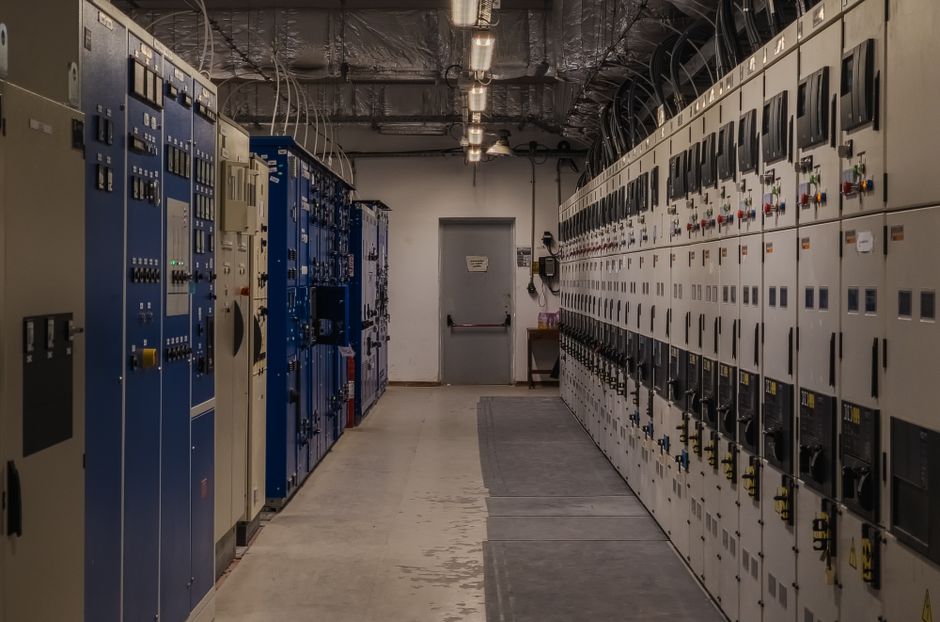
The promise of digital progress at Buckeye Lake seems to run on a rather analog fuel: natural gas, much to the chagrin of local residents.
The scene, as illuminated by SignalOhio, is set in the heart of Ohio, where the burgeoning appetite of data centers for electricity meets the very tangible concerns of communities. Policymakers are rolling out the welcome mat for these tech behemoths, seeing them as economic engines for the state. The proposed solution to power this digital boom? A new fleet of gas-fired power plants, specifically one slated for the Buckeye Lake area.

This isn’t merely an arcane debate about energy grids; it’s a collision course between Ohio’s economic ambitions and its environmental responsibilities. State officials hope these new gas plants can meet the colossal energy demands of data centers without the politically inconvenient side effect of hiking electric bills for existing customers. Meanwhile, the people living around places like Buckeye Lake are left wondering if the price of progress will instead be paid in air quality and a diminished natural environment.
What landed
The clearest statement, or rather, the most transparent aspiration, from policymakers is the intent to shield existing Ohio residents from increased electricity costs. In a time when utility bills are a perpetual pain point, promising to fuel a new industry without burdening current ratepayers is a savvy political move. It offers a seemingly painless pathway to economic development, framing the gas plants as a pragmatic necessity rather than a regressive step.
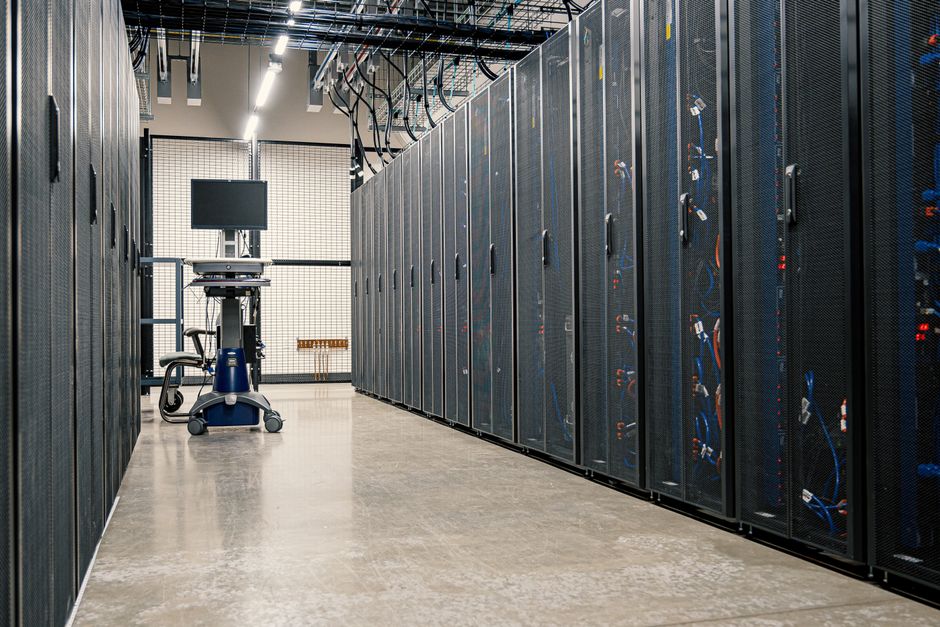
SignalOhio’s reporting highlights the sheer scale of the energy challenge posed by data centers. These facilities are not just large buildings; they are energy black holes, demanding constant, robust power. Acknowledging this demand and seeking *any* viable solution, even one that raises eyebrows, demonstrates a certain pragmatism from state officials. The decision to pursue gas, in this light, appears to be an attempt to address an immediate, colossal need with a readily available, if environmentally contentious, fuel source.
Furthermore, the very act of attracting these data centers is, on its face, a positive economic signal. It suggests Ohio is competitive in the tech sector, drawing investments and potentially jobs. The promise of stable energy, however delivered, is a core component of this appeal, and policymakers are clearly trying to deliver on that front.

What doesn’t add up
While the stated goal of keeping electric bills stable is laudable, the method chosen raises more than a few cynical eyebrows. Policymakers hope gas power plants can fuel data centers *without* raising electric bills, yet this ignores the elephant in the power grid: the long-term environmental cost. It’s a convenient sleight of hand to separate immediate financial burden from future environmental reckoning, as if emissions simply vanish into the ether without consequence or cost.
There’s a glaring tension between Ohio’s broader rhetoric about a cleaner energy future and the immediate pivot to fossil fuels for new industry. Are these gas plants truly a bridge to a green economy, or simply a convenient detour that extends our reliance on carbon-intensive energy? This approach seems less like forward-thinking policy and more like a concession to expediency, kicking the can of true energy transition further down the road.
Moreover, the promise of “not raising electric bills” often glosses over the nuanced reality of energy markets. The costs associated with new infrastructure, even if not directly passed to *existing* residential customers, have a way of surfacing elsewhere – whether through subsidies, deferred maintenance on other parts of the grid, or a general drag on the state’s environmental health, which eventually carries its own economic burden. It’s rarely a zero-sum game as cleanly as presented.
Finally, the report highlights local residents’ worries about emissions, a concern that seems to be somewhat sidelined in the official narrative. The framing suggests a binary choice: economic development *or* environmental purity. This overlooks the possibility of integrating renewable solutions for these energy-hungry data centers from the outset, rather than defaulting to gas. It makes one wonder if all viable alternatives were truly considered, or if the path of least immediate resistance was simply paved with natural gas pipelines.
Come Monday morning, the air over Buckeye Lake might just be a little thicker with both promise and particulate matter, and Ohio’s energy future will look decidedly less green than its data center ambitions might suggest.
Source: OnTheRecord