In a world where energy security is less a guarantee and more a daily negotiation, the latest pronouncements from **Idemitsu** bear a closer look.
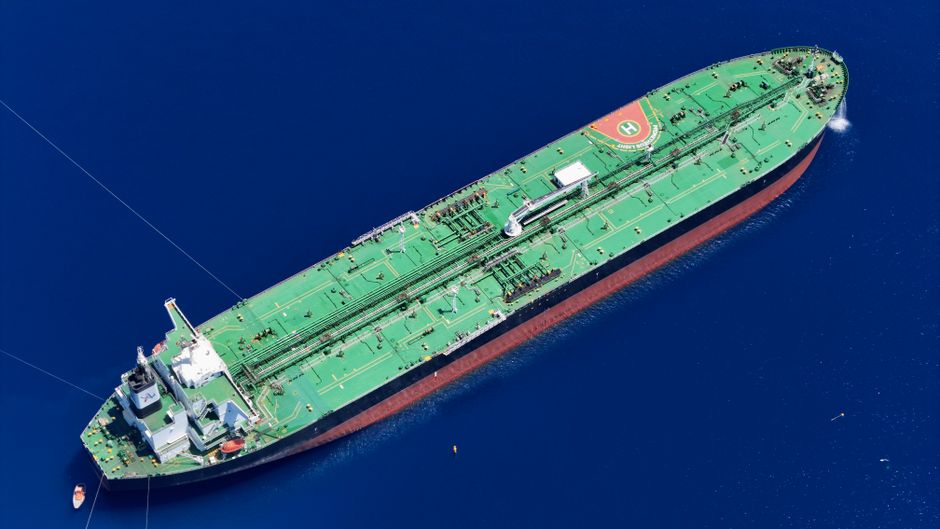
The interview, granted to Reuters by the president of Idemitsu, Japan’s second-largest refiner, aimed to project an image of calm and strategic foresight. Against a backdrop of persistent global energy jitters and the ever-present geopolitical undercurrents affecting vital shipping lanes, Idemitsu’s decision to begin sourcing Saudi crude via the Suez route is significant. For an island nation like Japan, heavily reliant on imported energy, every adjustment to the supply chain is a high-stakes calculation.
The timing of this announcement, following what has been a tumultuous few years for international shipping, invites scrutiny. While the details provided were scant, the underlying message was clear: Idemitsu is adapting, and it wants the market to know it feels secure.
What landed
The most striking declaration from the Idemitsu president, as reported by Reuters, was the unequivocal assertion of “no risk to stable supplies.” This is a powerful, almost defiant, statement in an era where global supply chains are rarely described without a litany of caveats and disclaimers. It’s a bold signal of confidence, intended no doubt to reassure investors and the Japanese public alike that the lights will stay on, and the wheels of industry will continue to turn.
Accompanying this declaration of serene confidence was the concrete operational shift: Idemitsu “starts sourcing Saudi crude via Suez route.” This isn’t mere rhetoric; it’s a tangible business decision. It suggests a proactive effort to manage supply chain logistics, adapting to the perceived realities of the global maritime landscape. Whatever the motivations behind this shift, it represents an active engagement with the challenges of energy procurement, rather than a passive acceptance of the status quo. In that sense, credit is due for what appears to be a decisive strategic pivot.
What doesn’t add up
While the Idemitsu president’s confidence is admirable, the claim of “no risk to stable supplies” via the Suez route raises a few eyebrows. One might wonder if the president possesses a crystal ball impervious to geopolitical turbulence, or perhaps a secret pact with Poseidon. After years of navigating increasingly complex maritime chokepoints, the notion of *no* risk strains credulity. The Suez Canal, while vital, has historically been subject to disruptions, from grounding incidents to regional security concerns that can flare up with little warning. To present any major shipping route as entirely risk-free feels less like an operational assessment and more like a carefully crafted message for public consumption.
What the interview summary conspicuously omits is *why* this shift to the Suez route is happening now, and what alternatives, if any, were previously utilized. Was Idemitsu avoiding the Suez for a period, perhaps opting for the longer Cape of Good Hope route due to past instabilities, and now sees a more favorable environment? Or is this an entirely new supply vector? The silence on the rationale behind this specific choice, beyond the vague implication of stability, leaves significant gaps. Without understanding the comparative advantages or the specific risk assessments that led to this decision, the claim of “no risk” floats somewhat untethered. It feels like a statement designed to instill confidence rather than to offer a transparent look at the complexities of global energy logistics.
Monday morning, the energy markets will undoubtedly digest Idemitsu’s confidence, perhaps taking it as a sign of stabilizing East-West shipping lanes. But for those charged with the actual movement of crude, the question remains: is this a truly robust solution, or merely a hopeful assertion in the face of enduring global uncertainties?
Source: Google — Leader interviews